Why the Blouse Matters So Much
At a Nigerian wedding where many guests are wearing variations of the same fabric, the blouse is often the primary differentiating element. Two women wearing the same asoebi and the same skirt silhouette can look completely distinct if their blouses are different — in neckline, sleeve, structure, or detail.
The blouse is also where construction quality is most visible. A poorly structured bodice, an ill-fitting bust, a sleeve that does not sit correctly — these flaws are immediately apparent in a way that skirt construction issues sometimes are not.
The Statement Blouse Styles
The Structured Peplum Blouse
The classic asoebi blouse, done properly. A fitted bodice with internal boning or structure, finished with a precisely cut and firmly shaped peplum at the hip.
What makes it a statement: The peplum must be a design decision, not an afterthought. It should be a deliberate flare at a deliberate length — typically between 3 and 6 inches — that creates a clean silhouette. A soft, drooping, or inconsistently sized peplum undermines the entire look.
The detail that elevates it: Embellishment at the peplum edge — a beaded or sequined trim, a contrasting fabric panel, or a carefully placed seam detail — makes the peplum feel intentional and luxurious.
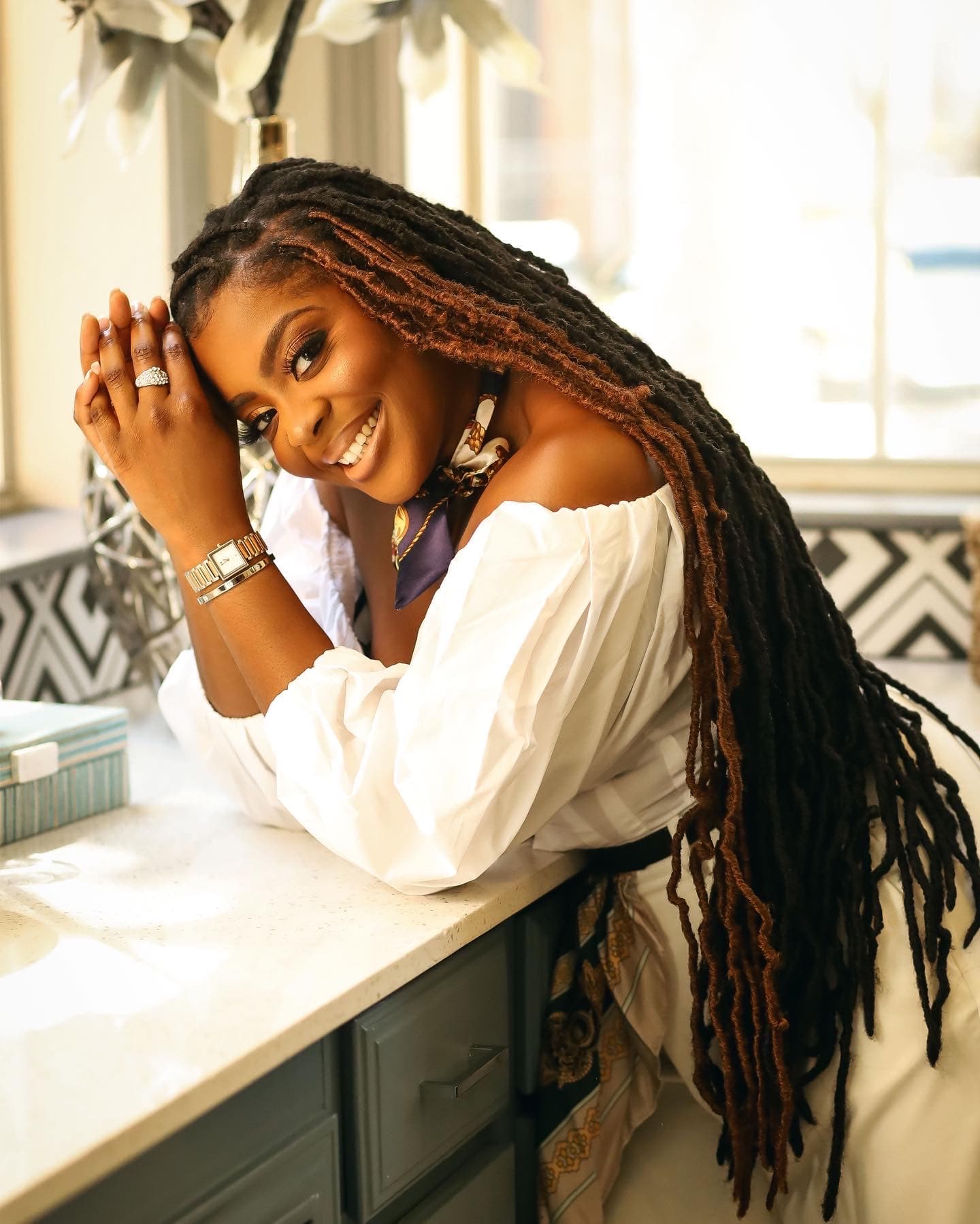
The Off-Shoulder Blouse
A blouse with a neckline that falls at or below the shoulders, revealing the collarbone and upper arm. One of the most photographed asoebi blouse styles because of how beautifully the neckline translates in pictures.
What makes it a statement: The quality of the band or boning that keeps the neckline in place. An off-shoulder blouse that stays perfectly positioned throughout a long event communicates excellent construction. One that migrates upward, downward, or sideways communicates the opposite.
The detail that elevates it: A ruffle along the off-shoulder edge — particularly in the same fabric — adds romance and movement.
The One-Shoulder Blouse
An asymmetric neckline where one shoulder is bare and the other has coverage. More directional than the off-shoulder, the one-shoulder blouse has a distinctly contemporary and editorial quality.
What makes it a statement: The drape or structure of the single shoulder detail. A dramatic ruffled sleeve on the covered side, or a clean gathered band, creates different characters within the same silhouette.
The Dramatic Sleeve Blouse
A relatively simple bodice with sleeves that carry all the design investment. Bishop sleeves, oversized puff sleeves, dramatic flutter sleeves, fluted bell sleeves — the sleeve is the statement.
What makes it a statement: The construction of the sleeve. A puff sleeve that is too flat looks deflated. A puff sleeve that is properly internally structured maintains its shape through movement and photography. Bishop sleeves should gather evenly and finish with a clean, tight cuff or band.
The detail that elevates it: A contrast fabric for the sleeve — a lighter or more decorative fabric within the same colour family — adds visual richness.
The Corset Blouse
A structured bodice with visible boning channels or a lace-up back detail, creating the appearance of a corset. This is a fashion-forward choice that creates significant presence.
What makes it a statement: The boning must be functional, not decorative. A corset blouse that looks like it has boning but does not support the body will collapse throughout the day. Proper structural boning creates both the aesthetic and the support.
The Cape Blouse
A fitted blouse with a dramatic cape that falls from the shoulders — in the same fabric or a contrasting material. The cape can fall to the elbow, the waist, or even the floor for maximum drama.
What makes it a statement: The length and fabric weight of the cape. A cape in the same fabric as the blouse creates cohesion. A cape in a contrasting fabric (sheer organza, aso-oke, heavy satin) creates contrast and interest.
The Embellished Neckline Blouse
A simple fitted or semi-fitted blouse body, with a neckline that is heavily embellished — beading, sequins, embroidery, or significant appliqué work that makes the neckline itself the design centrepiece.
What makes it a statement: The quality and complexity of the embellishment. Hand-beading or hand-embroidery is significantly more beautiful than machine-applied embellishment, and the difference is visible.
Construction Principles for Any Asoebi Blouse
The bust must fit perfectly. This is the most common asoebi blouse fit failure. A blouse that gaps, pulls, or does not sit flat across the bust undermines the entire garment. Ensure your tailor takes accurate bust measurements and allows appropriate ease.
The back zip or fastening must be invisible. A visible zip or an awkward back fastening is one of the most immediate signals of poor construction. It should be invisible in normal wear.
The lining must be in the correct colour. The lining of an asoebi blouse is often visible — through lace, at neckline openings, at sleeve edges. The lining colour should be chosen deliberately.
The waist must be in the right position. A peplum or waist seam that sits at the wrong point — too high or too low — creates proportion issues that no amount of styling can fix.
Related: Lace Asoebi Styles That Will Never Go Out of Fashion · 25 Asoebi Styles for Wedding Guests · How to Find the Best Tailor for Your Asoebi