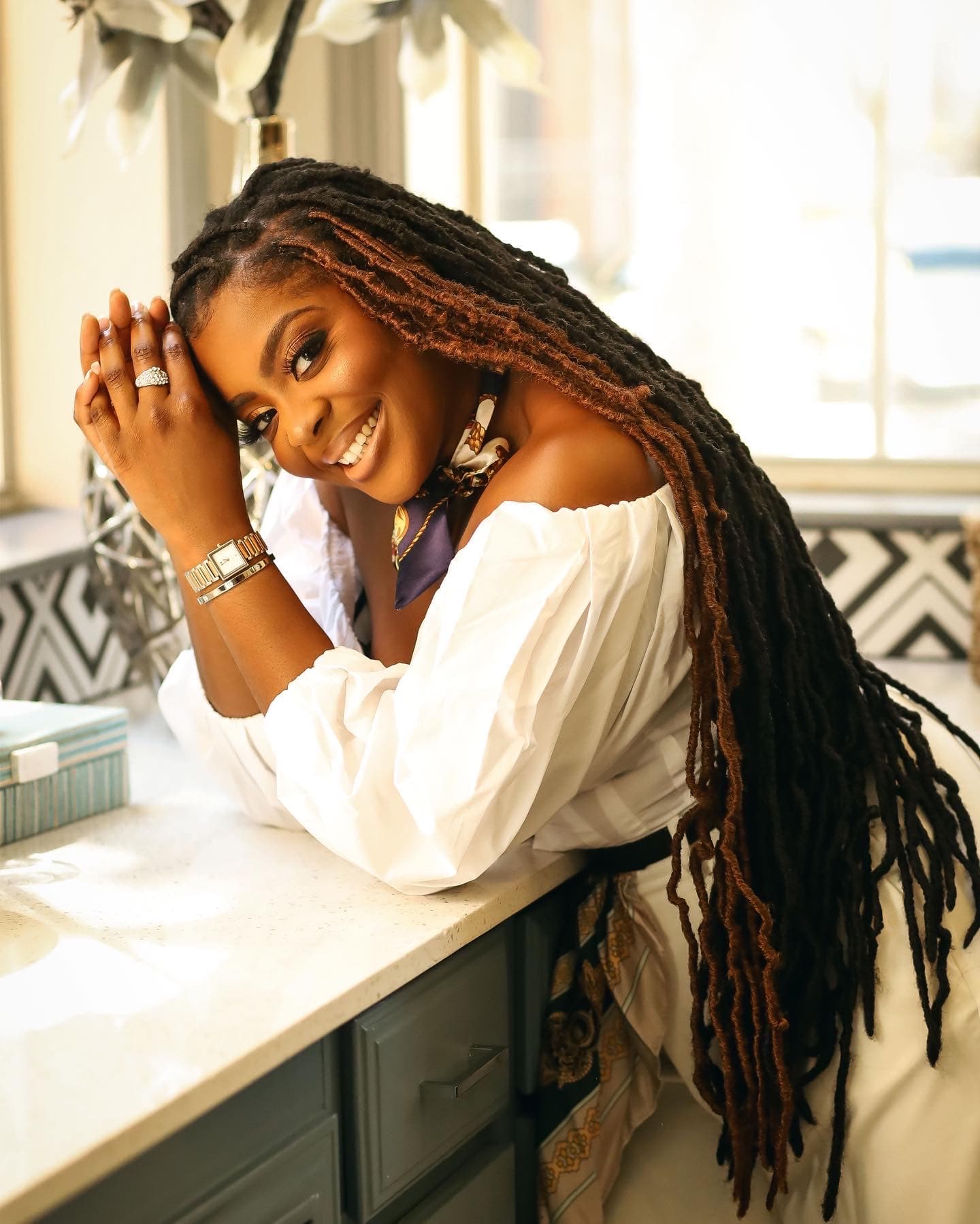
You receive the invitation. There is a colour code, possibly a fabric code, and a start time that everyone silently agrees is decorative. You want to look right — not just dressed, but present. Because an owambe is not a party you drift into. It is a space you enter with intention.
Dressing for a Nigerian owambe as a guest carries weight that most style decisions do not. There is cultural literacy involved. There is family politics, colour psychology, and a certain unspoken agreement that you came to honour the occasion — not simply attend it. Getting it right is less about following rules and more about understanding what the room is saying, and choosing to speak the same language.
Understanding What the Owambe Is Actually Asking of You
Before you think about fabric or silhouette, read the invitation properly. A Nigerian owambe will often signal its expectations quietly — through colour codes, asoebi distribution, or the formality of the event title itself. A thanksgiving at a church hall in Peckham and a silver jubilee at a five-star hotel in Lagos are both owambes. They are not the same dressing occasion.
If there is an asoebi fabric being sold — a coordinated lace, aso-oke, or ankara — the first question to ask is whether you are buying in or attending as a free agent. Both are valid. But they require different decisions. Buying the asoebi says I am part of this family's celebration. Dressing independently says I came with my own elegance. Neither is wrong, but each carries a responsibility to be executed well.
If you are not wearing the asoebi, the general principle is this: match the energy of the occasion without competing with the celebrant's colour palette. If the family is in gold and champagne, you do not wear gold and champagne. You complement it — a rich burgundy, a deep emerald, a warm bronze. The goal is harmony, not camouflage, and certainly not one-upmanship.
The Fabrics, the Silhouettes, and the Finishing Details
Nigerian owambe dressing is rooted in texture and craftsmanship. The fabrics that consistently read well in these spaces — lace, aso-oke, adire, ankara — are not interchangeable. Each carries its own register. A heavy French lace in a bold colour says occasion. A well-cut ankara in a confident print says cultural fluency. A blush aso-oke buba and skirt set says I know exactly where I am.
For silhouette, the most reliable choices tend to be structured — a well-fitted buba and wrapper, a tailored off-shoulder gown, a peplum blouse with a flared skirt. Volume can work beautifully when it is intentional. What tends to fall flat is an outfit that was not made with this kind of room in mind — a western cocktail dress that technically fits the colour code but does not carry the cultural weight the occasion holds.
Then there is the head. The gele is not compulsory, but it is powerful. If you are going to wear one, wear it properly — tied with structure and height, not collapsed at the back like an afterthought. If gele does not feel like you, a headband, a wrap, or even a beautifully placed fascinator can carry the moment. What matters is that your head speaks as deliberately as the rest of you.
Shoes and accessories should complete the look, not compete with it. At an owambe, the clothes are the statement. Your accessories exist to underscore, not amplify. A clean heel or a well-structured block shoe will always serve you better than something that pulls the eye away from the intentionality of the outfit itself.
The Difference Between Being Dressed and Being Ready
There is something I have noticed about the women who always look right at owambes — not overdressed, not underdressed, not anxious. They look like they made a decision and then stopped second-guessing it. They dressed with awareness: of the occasion, of themselves, of what they wanted to communicate.
That is the quiet skill underneath all of this. It is not about owning the most expensive lace or having the tallest gele. It is about understanding yourself well enough to dress in a way that is coherent. Your colours, your silhouette, your accessories — they should all be speaking the same sentence.
An owambe is a celebration of life, of family, of survival and abundance. When you dress for one, you are participating in something communal and historic. You are saying I see this moment with everything you put on your body.
So take your time. Choose your fabric deliberately. Let your tailor do the work it takes. And walk in like you were always meant to be there.
If you're coordinating an upcoming event or looking for support with your guest look, explore GLO Styles.