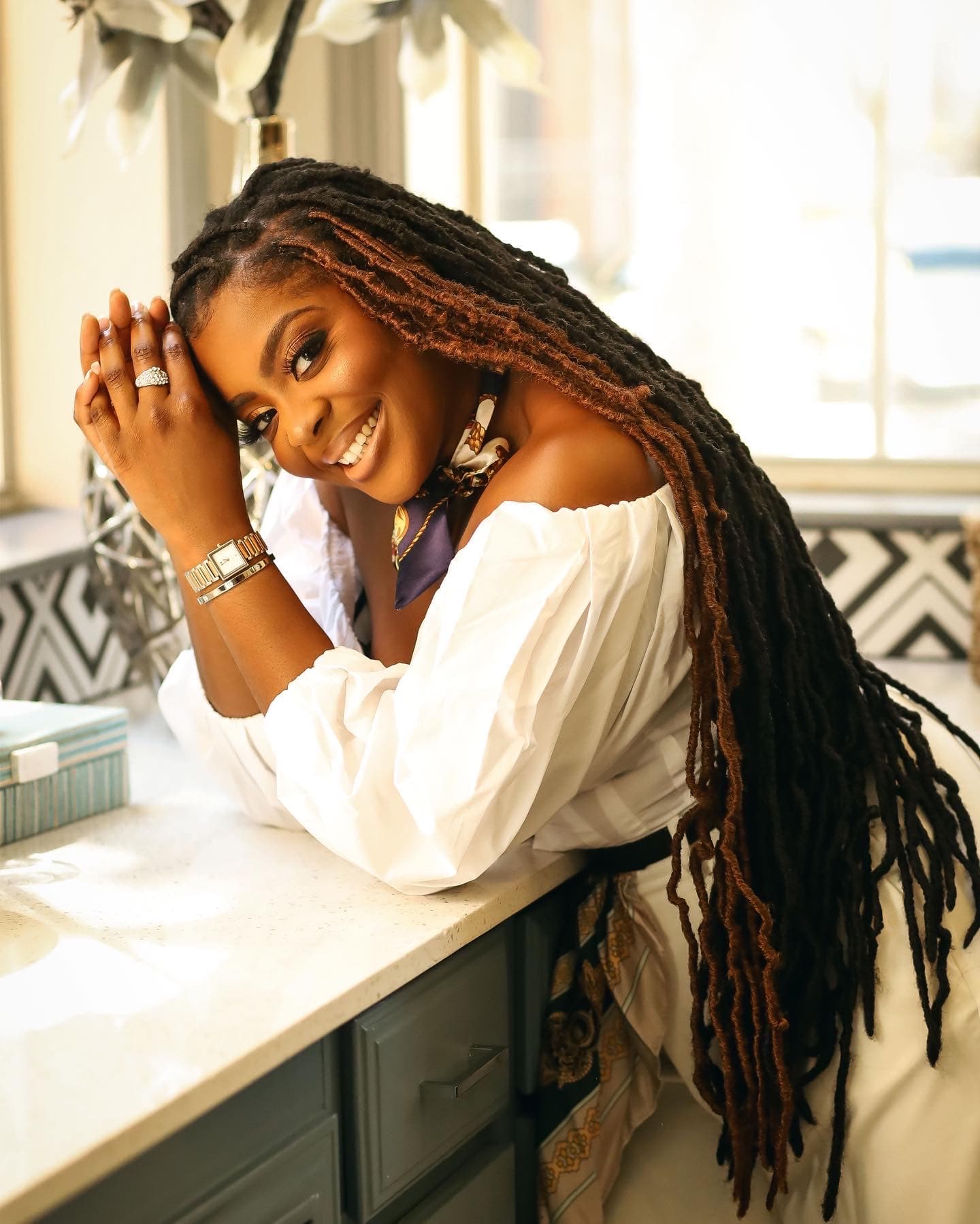
There is always that one photograph from a wedding where the group shot — all those women in the same fabric — looks absolutely electric. Every woman radiant, the colour singing against her skin, the whole image coherent and alive. And then there is the other kind of photograph, where half the group looks washed out and the other half looks swallowed. Same fabric. Entirely different result.
The difference, almost always, comes down to colour choice. And colour choice is rarely given the thought it deserves.
When you are coordinating asoebi — whether you are the bride selecting fabric for your train or a chief bridesmaid helping to unify a look — you are making a decision that will live in photographs for decades. That deserves more than picking whatever shade you personally love.
Understand What the Camera Actually Sees
Photography — especially under artificial event lighting — does particular things to colour. Pale pastels can read as white and flatten the complexion. Neon tones can bleed on camera, creating a harsh glow that overwhelms the face. Certain mid-range blues can appear duller in a photograph than they did in the fabric shop.
What the camera rewards is saturation with depth. Colours that have richness to them — not necessarily dark, but complex. Think cobalt over sky blue. Burnt orange over peach. Forest green over lime. Colours that contain layers rather than sitting entirely on the surface.
Jewel tones are consistently the most generous palette for asoebi precisely because they translate beautifully on camera and — crucially — they work across a wide range of skin tones. Emerald, royal purple, sapphire, deep teal, rich burgundy. These colours hold their integrity in photographs and they have an inherent elegance that does not require the perfect lighting to show up.
The Skin Tone Conversation Nobody Has Early Enough
Here is something I wish more people talked about openly when planning asoebi: your guests are not one skin tone. Your train is not one skin tone. The women you love enough to put in matching fabric are a range — deep ebony, rich brown, warm caramel, cool beige — and the colour you choose will behave differently against each of them.
Some colours give and some colours take.
Bright yellows and certain golds can be extraordinary on deeper skin tones — luminous and warm — but can veer yellow-toned or unflattering on lighter complexions without careful consideration. Cool pinks and lilacs can be stunning on lighter and medium brown skin tones but can appear ashy against very deep complexions unless they are saturated enough. Certain earthy terracottas and burnt siennas are among the most universally generous colours I have worked with — they seem to meet every skin tone with warmth rather than resistance.
The key is saturation and undertone. Warm-undertoned colours — those with red, orange, or gold in them — tend to be more inclusive across the spectrum because they echo the warmth in melanin-rich skin. Cool colours can be beautiful, but they require more attention to depth. A pale lavender will struggle where a deep violet will thrive.
When you are choosing, do not just hold the fabric against your own wrist. Hold it against a range of skin tones in your group. See where it gives light and where it takes it away. That test alone will tell you more than any colour theory chart.
What to Do When You Love a Difficult Colour
Sometimes the bride has her heart set on something specific — a powder blue, a mint, a champagne. And there is nothing wrong with that. A colour's difficulty does not make it off-limits. It just means the coordination work needs to be sharper.
If the chosen colour is pale or cool, the solution is often in the fabric rather than the colour itself — a more textured or embellished ase-oke or lace can add dimension that compensates for a flat hue. The how of wearing it matters enormously: deep necklines, warm-toned accessories, headgear that frames the face with contrast. These are styling decisions that can shift the entire read of a colour on a person.
There is also the question of finishing. Satin-finish fabrics reflect light differently to matte ones — on camera, satin can create unflattering sheen on deeper skin tones unless the lighting is controlled. A matte or semi-matte lace in the same hue will often photograph more elegantly and feel more wearable across the group.
The most successful asoebi looks I have seen are not always the most obviously bold — they are the most considered. Someone thought carefully not just about what looks beautiful hanging in a shop, but what will look beautiful on the people who matter.
That thoughtfulness is, ultimately, what makes a photograph feel like a memory worth keeping.
If you're coordinating an upcoming event or looking for support with your guest look, explore GLO Styles.