The Colours to Approach With Care
White, Ivory, and Bright Cream
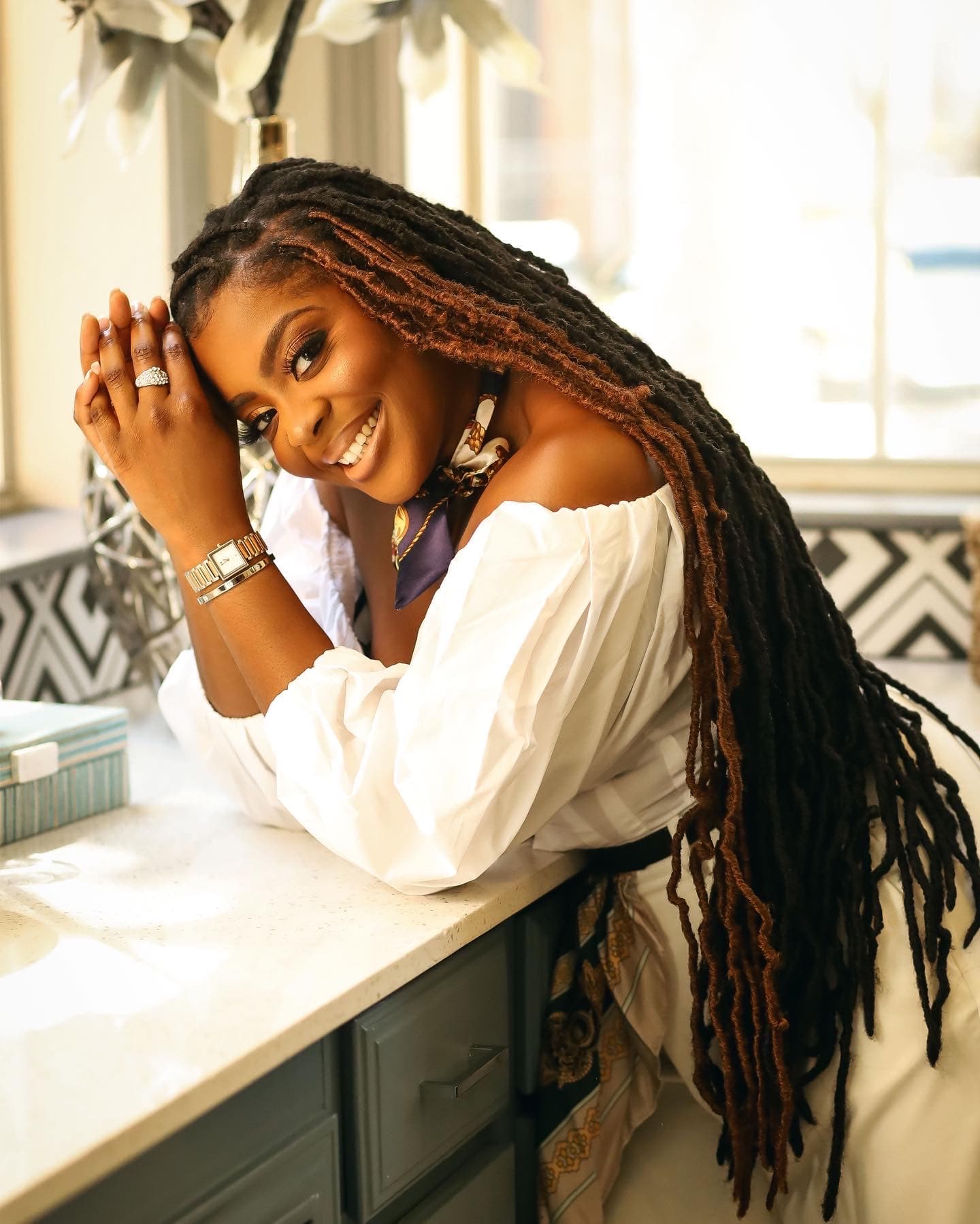
Why they're problematic: In Nigerian wedding culture — particularly at the white wedding ceremony — white is conventionally associated with the bride. Arriving as a guest in a white or near-white outfit can create an impression of either naivety or deliberate provocation, depending on the family's sensitivity.
This is not an absolute rule, and some families and events have no particular feeling about it. But the convention exists widely enough that wearing white without confirmation is a risk not worth taking.
What to wear instead: Champagne (a warm, golden tone rather than a cool near-white), soft ivory with visible warm undertones, or a warm cream that reads as a warm neutral rather than a bridal shade. Better still: choose a colour from the warm tonal family — blush, dusty rose, nude — that clearly reads as distinctly coloured rather than white-adjacent.
The Exact Asoebi Colour in a Different Fabric
Why it's problematic: If you were not given asoebi, attempting to replicate the asoebi colour in a different fabric almost always produces a close-but-not-quite match. The result reads as a failed attempt at fitting in — which is more conspicuous than simply being in a clearly different colour.
What to wear instead: Be deliberately different. If the asoebi is blush, wear deep burgundy or navy. If it is emerald, wear champagne or deep purple. A clear, intentional difference reads as confident; a near-match reads as an error.
Very Pale Pastels
Why they can be problematic: At the visual richness of a Nigerian wedding — saturated colours, heavy fabrics, elaborate headwear — very pale pastels (powder blue, mint, pale lavender, baby pink) can look washed out and underpowered. They do not read as elegant in the way they might in a different context. They can also, in some family contexts, appear to be attempting to blend with the bride's colour story.
What to wear instead: The more saturated version of the same hue. Deep rose instead of pale pink. Navy instead of powder blue. Forest green instead of mint. The richer tone will photograph significantly better and feel more appropriate.
Black at Certain Events
This deserves its own article — and has one: Can You Wear Black to a Nigerian Wedding? The Honest Answer.
The short version: black has historically been associated with mourning in many Nigerian cultural contexts and was considered inappropriate for celebratory occasions. This is changing — black is increasingly seen at Nigerian wedding receptions and is often perfectly acceptable. But the context and the specific family matter, and wearing black without being certain of the family's stance is a risk.
Wearing the Same Colour as the Bride's Immediate Family
Why it's problematic: At many Nigerian weddings, the bride's immediate family wears a distinct colour from the general asoebi. Arriving in the family's specific colour when you are not family can create confusion and, in sensitive family dynamics, awkwardness.
How to avoid it: If you know the family well enough to ask, ask. If you don't, the safer play is deep neutrals (navy, black, burgundy) that are distinctly different from most asoebi colour choices.
Colours That Consistently Work
These colours have proven reliably appropriate and beautiful at Nigerian weddings across most contexts:
Deep navy: A universally flattering, deeply appropriate choice. Reads as formal, elegant, and respectful.
Deep burgundy or wine: Rich, warm, and beautiful in the typical Nigerian wedding lighting. Works across skin tones.
Rich emerald or forest green: A spectacular choice, particularly with gold jewellery.
Warm camel or bronze: Elegant and photographically beautiful, particularly in evening lighting.
Deep purple or aubergine: Sophisticated and relatively unusual — you will stand out for the right reasons.
Warm, saturated coral or terracotta: Joyful, celebratory, and beautiful on most skin tones. Appropriate for reception events.
Champagne or warm gold: Elegant and festive. Reads as celebratory without approaching white.
The Simple Test
Before committing to an outfit for a Nigerian wedding, run through these questions:
- Is this colour close enough to white to potentially be confused with bridal?
- Does this colour try to replicate the asoebi without being the asoebi fabric?
- Is this colour associated with mourning in Nigerian culture?
- Is this colour the same as what the immediate family is wearing?
If the answer to any of these is yes, choose differently. Otherwise: dress beautifully, dress richly, and celebrate fully.
Related: Can You Wear Black to a Nigerian Wedding? · What to Wear to a Nigerian Wedding · Nigerian Wedding Guest Outfits That Actually Work