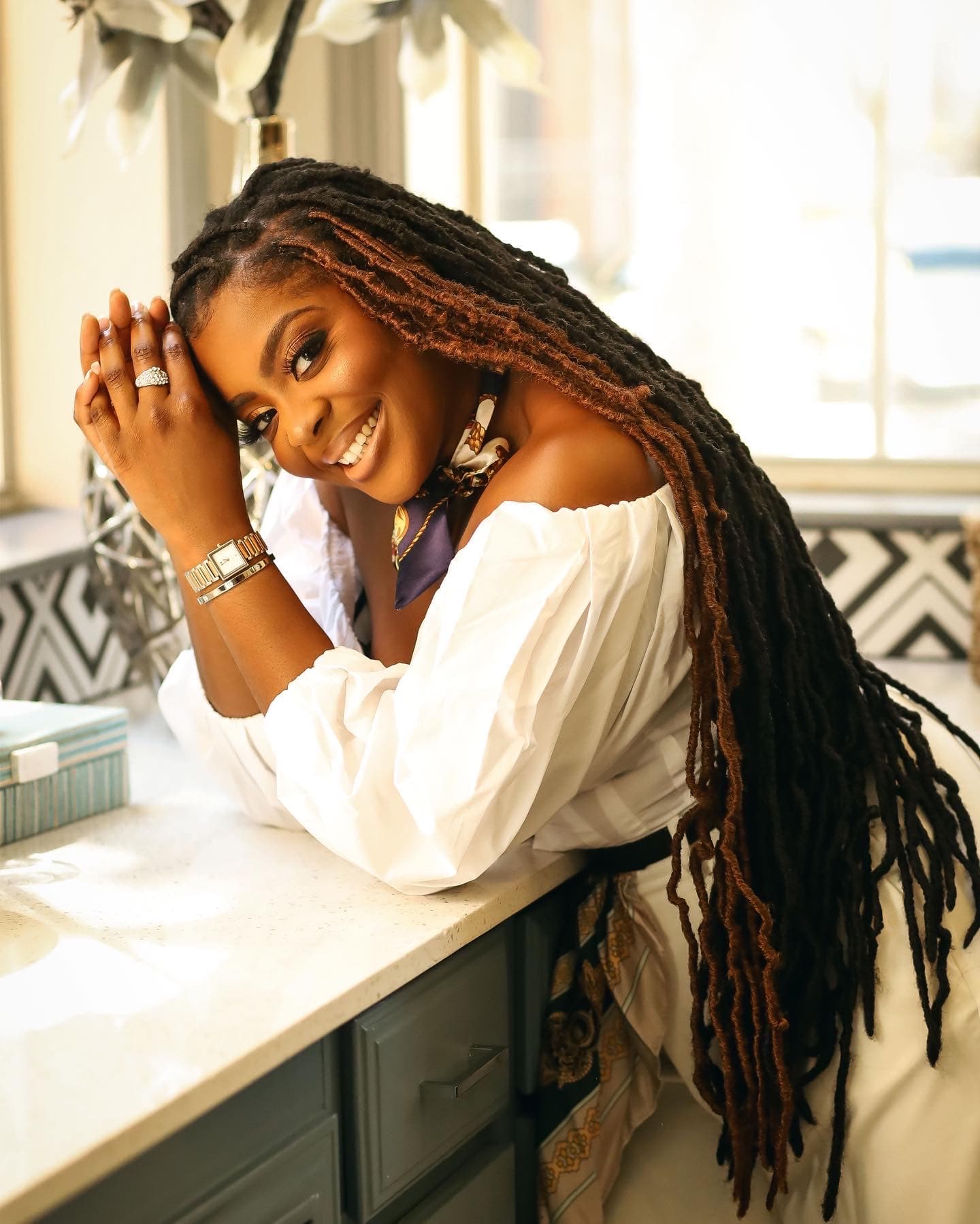
There is always that one photograph from a wedding — the one where the asoebi row looks stunning in person but somehow flat on camera. The colour seemed right in the shop. It looked beautiful in the fabric swatches. And yet, under the flash or in the afternoon sun, something was lost.
Choosing asoebi colours is one of those decisions that feels simple until you are standing in a hall of forty women wearing the same fabric and realising it only truly works on five of them. That is not a small thing. Every woman in that group deserves to feel like herself — celebrated, visible, radiant — not like a backdrop for the bride.
So let us talk about how to get this right. Not just aesthetically, but thoughtfully.
What the Camera Actually Sees
Photography changes everything. A colour that looks rich and warm in natural lighting can read as dull, grey, or even unflattering under the artificial lighting of a reception venue. And the reverse is also true — some shades that seem almost too bold in daylight become electric and alive on camera.
The colours that consistently photograph well across skin tones are those with depth and saturation. Think jewel tones — deep greens, rich burgundies, cobalt blues, burnt orange, plum. These colours hold their richness under different lighting conditions and create contrast against the skin rather than competing with it.
Pastels and pale shades — blush, mint, lavender, champagne — tend to look beautiful in fabric stores but can wash out against lighter skin tones in photographs, while simultaneously dulling the glow of deeper complexions. If the family is committed to a softer palette, the solution is to ensure the fabric has enough texture or sheen to carry the colour. A jacquard or brocade in a pale gold will always photograph better than a flat chiffon in the same shade.
Avoid anything with a strong yellow-green undertone — mustards that lean too lime, greens that tip into neon — unless you are very confident about the exact undertones across your guest group. These shades can create an unflattering cast on skin, particularly under warm artificial lighting.
Understanding Undertones, Not Just Skin Tone
Here is where most asoebi colour conversations stop too early. People say "this colour works for dark skin" or "this is good for fair skin" — but that framing misses the real variable, which is undertone.
A woman with deep skin and cool undertones will look entirely different in terracotta than a woman with deep skin and warm undertones. The same applies across the full spectrum. Cool undertones — those with hints of blue, red, or pink — tend to be flattered by cooler shades: royal blue, plum, emerald green, cool-toned pinks. Warm undertones — those with golden, peachy, or yellow hues — tend to glow in earthy, warm shades: burnt orange, rust, warm gold, olive green, rich brown.
The beauty of this is that a single asoebi colour can often span both worlds if you choose something sitting in the mid-spectrum — a deep teal, for example, carries both warmth and coolness. A rich wine does the same. These are the colours I often recommend to families who want one unified fabric that does not require everyone to have the same undertone to look wonderful.
When coordinating a larger group, it is also worth considering whether slight variation in shade — a lighter and a deeper version of the same colour family — can give individuals room to choose what works for their complexion without fragmenting the visual unity of the group.
The Detail That Ties Everything Together
Colour is only one layer of this decision. The fabric's finish — whether it is matte, slightly sheen, or fully metallic — affects how a shade reads enormously. A matte fabric in deep purple will feel solemn and structured. The same colour in a Georges or a silk-blend catches light and moves with energy. Both are beautiful, but they tell different stories.
I always encourage families to photograph their fabric swatches under the actual lighting conditions of their venue before committing. Take the swatch into a dimly lit room. Take it outside in afternoon sun. Hold it against different skin tones in your group. Let the fabric audition for the role before you place the order.
The women wearing your asoebi are not accessories. They are part of the story of that day. When the colour works — truly works — you see it in the photographs long after the party is over. You see it in the way every woman in that row looks like she belongs, like the colour was made for her.
That is the standard worth aiming for.
If you're coordinating an upcoming event or looking for support with your guest look, explore GLO Styles — I can help you navigate fabric choices, colour coordination, and styling decisions so every woman in your group feels her best, not just on the day, but in every photograph that follows.