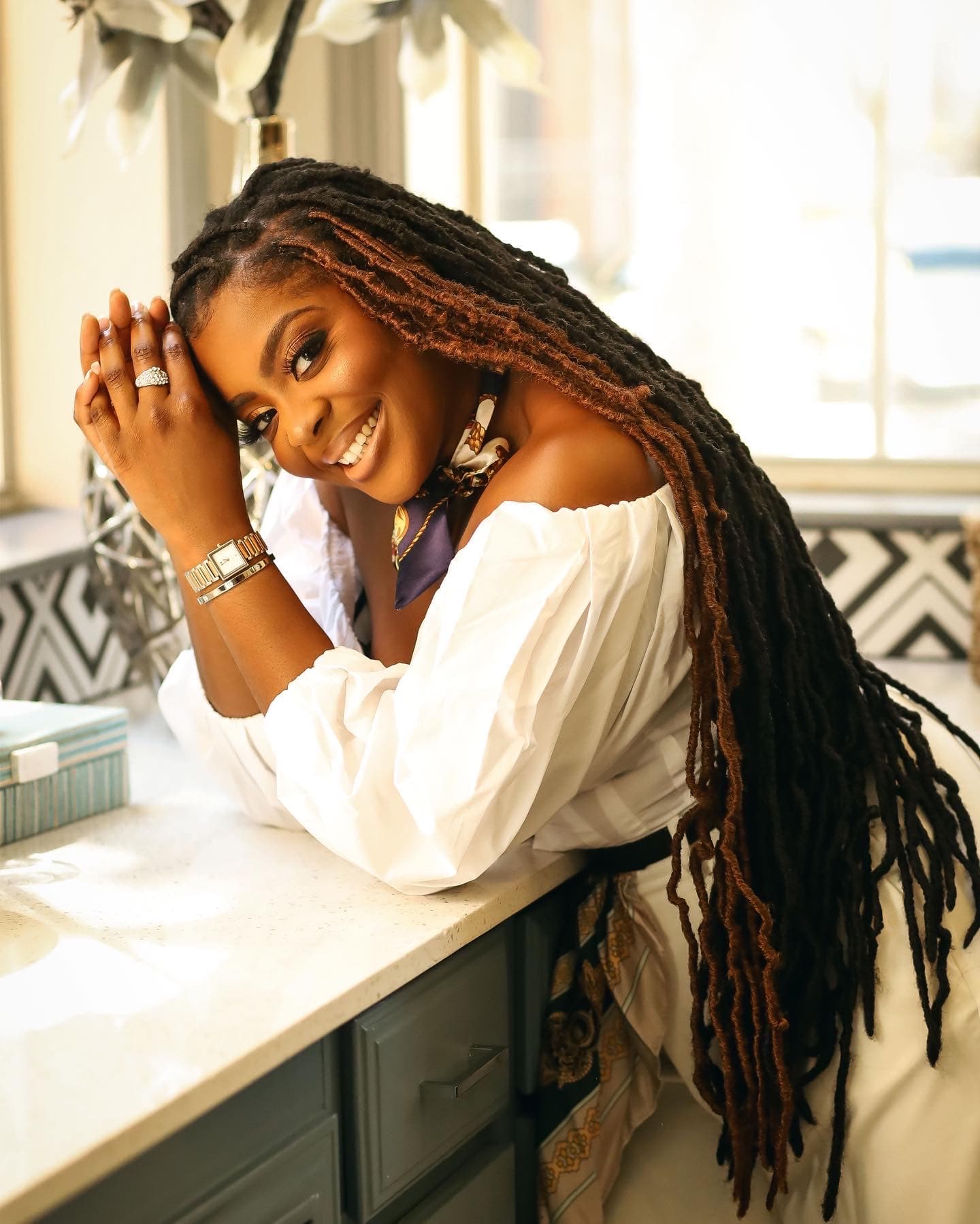
There is a moment, usually the night before, when you stand in front of your wardrobe and realise that nothing feels quite right. Not because your wardrobe is lacking — but because the introduction ceremony is not an ordinary occasion, and some part of you already knows that.
The igba nkwu, the mo mi i mo e, the knocking on the door — whatever your family calls it, the introduction ceremony is the first formal conversation between two families. It is intimate, layered, and deeply symbolic. How you dress is not just personal expression. It is a form of communication.
So let us talk about it properly.
What the Introduction Ceremony Actually Calls For
This is not a wedding. It is not a birthday party. And it is not a Sunday service, though some of the reverence applies.
The introduction ceremony sits in a particular register — traditional, familial, and rooted. The dress code typically reflects that. For the bride and her family, aso-ebi in a coordinated fabric is common, often chosen weeks in advance. For guests, the expectation is usually traditional Nigerian dress or at minimum something that reads as culturally respectful and considered.
If you have been given a colour or fabric, honour it. That coordination is not vanity — it is solidarity. It signals that you showed up, not just physically but intentionally.
If no colour has been specified, lean into rich, culturally grounded choices. Ankara, lace, adire, aso-oke — these fabrics carry meaning at these events. A well-tailored buba and wrapper. A structured lace blouse with a quality gele. A modern Ankara co-ord that reads elegant rather than casual. These are not rules. They are a language. And turning up in that language tells the families something.
What to Avoid — and Why It Matters
The introduction ceremony tends to happen in someone's home, a family compound, or a hired hall filled with elders, mothers, aunts, and people who notice everything without saying a word.
Avoid anything that will make you the visual focal point when you are not the bride. This means sidestepping overly embellished outfits that compete rather than complement. It means reconsidering that floor-length cape or that heavily beaded look you saved from someone else's wedding — not because those pieces are not beautiful, but because context is everything.
Avoid fabrics that read as overly casual — cotton sundresses, jersey wrap dresses, anything that looks as though it was chosen without thought for the occasion. The elder women in that room will notice. More importantly, you will notice — in the photographs, in the memory of the day.
Avoid wearing the bride's colours if you are not part of her designated asoebi group. Even if it is unintentional, it creates a visual confusion that can feel disrespectful. When in doubt, ask. There is no shame in sending a message to the planner or family contact to confirm.
One more thing — and I say this gently: avoid the temptation to show up in a way that is entirely disconnected from the cultural context of the event. You do not need to wear traditional dress if it is genuinely not your background, but you do need to dress with the moment in mind. A sleek, modest co-ord in a rich jewel tone can work. A bodycon dress with a plunging neckline, in this setting, will not.
The Details That Elevate a Look
Once you have the foundation right — the fabric, the silhouette, the colour — it is the details that do the quiet work.
A well-tied gele at an introduction ceremony is not optional if you are part of the family or the close asoebi circle. It is a finishing note that signals you took the occasion seriously. If you struggle with gele, a structured headwrap or a beautifully folded aso-oke alternative can serve the same purpose.
Your shoes and bag should feel considered, not grabbed. Kitten heels or low block heels often serve better than stilettos if you will be sitting on mats or moving between rooms. A structured clutch in a complementary tone pulls the outfit together without competing with it.
And jewellery — keep it meaningful rather than excessive. Coral, gold, and beaded pieces have cultural resonance at these events. A single strand of coral beads can say more than a full statement set ever could.
The introduction ceremony is one of those occasions where restraint is its own form of elegance. Where showing up with care, with cultural attunement, and with a look that says I understood the assignment — that is the quiet confidence that stays in the room long after you have left.
If you are coordinating an upcoming event or looking for support with your guest look, explore GLO Styles — and let us make sure you arrive dressed exactly as the moment deserves.