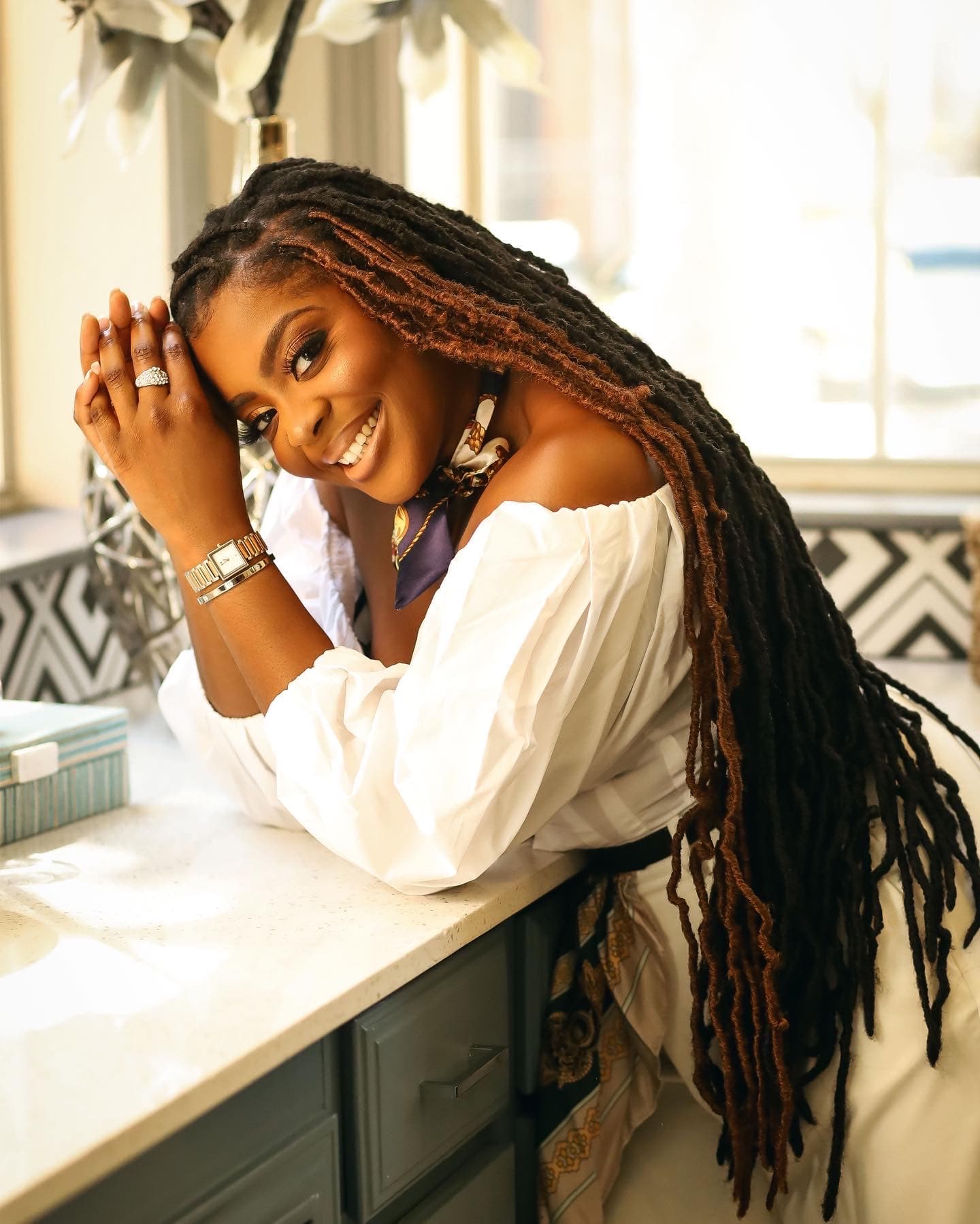
What Does It Mean to Be a Modern Nigerian Woman?
The question contains its own difficulty: there is no singular answer, because there is no singular modern Nigerian woman. She is the woman in Lagos working a corporate job and attending owambe on Saturdays. She is the woman in London navigating diaspora life and Nigerian family expectations across a six-hour time difference. She is the entrepreneur in Abuja, the academic in the US, the mother in Port Harcourt, the artist in Accra.
She is multiple. She is plural. She is navigating a confluence of forces that no previous generation of Nigerian women had to navigate in quite the same configuration.
What she holds simultaneously is remarkable.
What She Is Navigating
The intersection of tradition and contemporaneity. She was raised in a culture with specific, deeply held traditions about womanhood — about what a good woman does, what she defers to, how she is known and valued. She is also a contemporary woman, educated in contexts that have given her a different set of frameworks, and living in a world that offers her options that her mother did not have.
She is not confused about this. But she is navigating it — constantly, often without templates, frequently without communities of women who have navigated the same specific intersection.
The Nigerian family's claims on her life. The Nigerian family's understanding of itself as a collective with legitimate authority over its members does not diminish once its daughters become successful, independent adults. If anything, success can intensify the claims — the expectation of financial support, of social availability, of alignment with the family's marriage timeline, of the maintenance of the family's reputation.
The global and the local simultaneously. The modern Nigerian woman is often operating in global professional and social contexts while living in or remaining deeply tied to Nigerian cultural contexts. She code-switches fluently. She holds cultural complexity as daily reality.
The expectation of achievement and the expectation of traditional femininity at once. She is expected to excel professionally — to be educated, ambitious, accomplished. She is also expected to be traditionally feminine — to marry appropriately, to be available for family, to maintain her home with the standards her mother's generation set. The expectation is that she do both, simultaneously, without complaint.
If this resonates, the book goes deeper into these very tensions — get The Good Girl Delusion →
What She Has That Previous Generations Did Not
Access to each other's stories. Through social media, through podcasts, through platforms like this one — modern Nigerian women have access to honest accounts of other women's navigation of the same terrain. This is not nothing. The isolation of previous generations — each woman navigating alone, without community, without language for the specific difficulty — has been partially broken.
Language for the experience. Good girl conditioning. Generational trauma. Limits. Identity work. These concepts, now circulating widely, give Nigerian women language for experiences that previously had to be borne in silence.
The example of women who have gone before. The generation of Nigerian women who navigated these same tensions twenty and thirty years ago — and who have built lives that are genuinely their own — are visible now in ways they were not always visible.
What It Means
To be a modern Nigerian woman is to hold, without resolution, both the genuine beauty and the genuine difficulty of your specific place in history. To be shaped by traditions that carry real wisdom while also being a fully contemporary person with full contemporary claims on your own life.
It means, increasingly, refusing the false choice between being Nigerian and being fully yourself. Finding the version of Nigerian womanhood that is genuinely yours — not the one prescribed by the accumulated expectations of everyone around you, but the one that emerges when you actually know yourself and choose deliberately.
That version exists. And it is worth every difficult step it takes to find it.
Continue exploring: Redefining Womanhood · Navigate Expectations of Nigerian Womanhood · The Good Girl Identity Explained