Identity
What It Means to Live Like You Mean It
The series closes with the question it has always been asking: what does it mean to be fully present in your own life — to inhabit it completely, with intention, like you actually mean to be here?
ReadIdentity
The cultural narrative about a woman's 30s is one of arrival. You have made it through the uncertainty of your 20s. You know who you are. You have established your career, possibly your family. The hard work of becoming is largely done.
This narrative is significantly wrong — and believing it can make the actual experience of being in your 30s considerably more confusing than it needs to be.
The 30s are, for many women, one of the most active and often turbulent periods of inner growth they will experience. Not because something has gone wrong — but because something is going very right. The work of becoming does not slow down in the 30s. It deepens.
Many women in their 30s find themselves, often to their surprise, conducting a comprehensive audit of their lives. The decisions made in their 20s — about relationships, career paths, where to live, what to prioritise — are being reassessed in the light of accumulated experience.
This audit is uncomfortable. It surfaces discrepancies between the life chosen and the life wanted. It questions assumptions that felt settled. It can feel like a crisis — what is sometimes called a "quarter-life crisis" that is, for many women, more accurately a third-decade reckoning.
It is not a crisis. It is maturity.
In the 20s, many women are primarily motivated by shoulds — the expectations of family, culture, peers, and professional environments about what a woman of their background, generation, and circumstance should be doing.
In the 30s, the should structure often begins to dissolve. Women begin asking, sometimes for the first time in any serious way, But what do I actually want? The question is both liberating and disorienting.
Personal growth in the 30s frequently involves genuine grief. Grief for paths not taken, for time that has passed, for versions of yourself that are no longer possible.
This grief is real and needs to be acknowledged rather than dismissed or bypassed. It is not evidence of failure — it is evidence of a woman who is honest enough to acknowledge the complexity of her own life.
Alongside the grief, the 30s often bring a growing sense of permission. Permission to want what you actually want rather than what you have been told to want. Permission to stop performing the version of yourself that was constructed for other people's comfort.
This permission does not arrive all at once. It is accumulated, gradually, through the courage to make choices that are authentically yours rather than externally prescribed.
Tolerance for complexity. Growth in the 30s often involves developing a much greater tolerance for complexity, ambiguity, and the uncomfortable truth that most things are neither simply good nor simply bad.
Relationship with the past. The work of understanding how your history shapes your present — the patterns inherited from your family, the wounds that have never been attended to — tends to become more accessible and more urgent in the 30s.
Clarity about people. The 30s often bring a clearer sense of who your people actually are — the relationships that genuinely nourish you and the ones that have been sustained by proximity, habit, or obligation.
You do not need to have your purpose fully articulated. You do not need to be settled. You do not need to have resolved the tension between who you have been and who you are becoming.
The 30s are not the decade of arrival. They are the decade in which the quality of your self-knowledge determines the quality of the next chapters of your life. The work is not done. It is deepening.
That is not a problem. That is exactly as it should be.
If you'd rather begin in your own time, The Good Girl Delusion was written for exactly this work. Read The Good Girl Delusion →
Related: Identity Crisis in Your 30s · The Complete Self-Awareness Guide
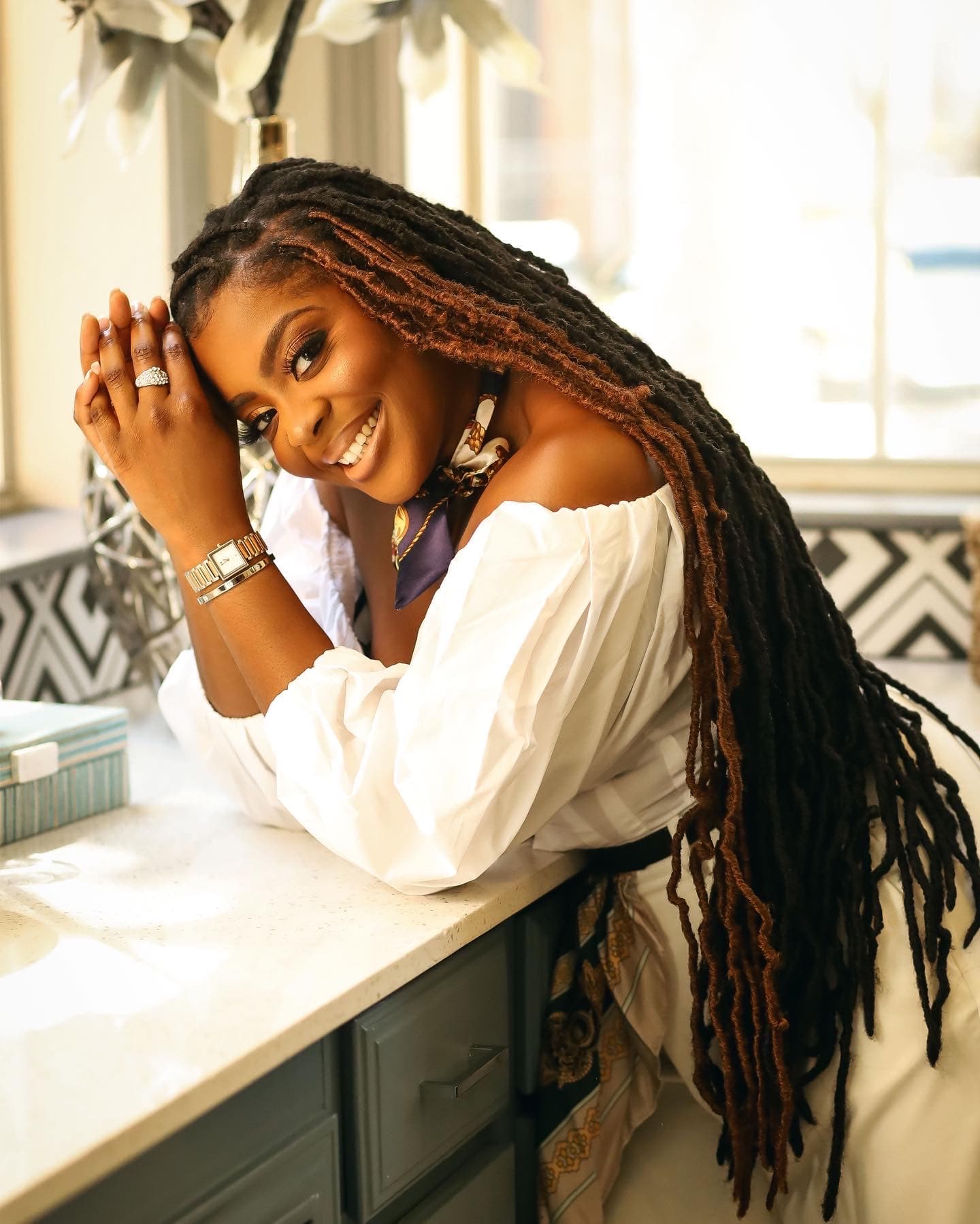
Nancy GLO
Reflective storyteller & style curator for women becoming
Continue Reading
Identity
The series closes with the question it has always been asking: what does it mean to be fully present in your own life — to inhabit it completely, with intention, like you actually mean to be here?
ReadIdentity
A personal letter to the woman who has been reading, who has been doing the work, who is somewhere in the middle of becoming more fully herself.
Read