Identity
What It Means to Live Like You Mean It
The series closes with the question it has always been asking: what does it mean to be fully present in your own life — to inhabit it completely, with intention, like you actually mean to be here?
ReadThere is a particular anxiety that arises when a woman is told to choose herself. It often sounds, to her, like choose yourself instead of others — as though self-prioritisation is inherently at the expense of the people she loves, the relationships she values, the commitments she has made.
This is a misreading of what choosing yourself means.
Choosing yourself means making yourself a genuine consideration in your own decisions — not the only consideration, but an actual one, consistently included alongside the needs and preferences of others.
It means that when you make choices about your time, your energy, your presence, and your resources, the question "what does this cost me, and is that cost appropriate?" is part of the deliberation — not absent from it.
It means that when something is not working for you, you are allowed to say so. When a situation consistently damages you, you are allowed to leave it. When your needs are consistently subordinated to everyone else's, you are allowed to recognise this as a problem rather than a virtue.
It does not mean refusing to give, refusing to show up, refusing to make genuine sacrifice for the people and things that matter to you. Generosity, care, and service are not incompatible with choosing yourself. They are, in fact, made more possible by it.
The woman who consistently abandons herself — who says yes when she means no, who bends her own needs out of shape to accommodate others, who disappears into her roles — does not become more available to others. She becomes depleted. She begins to give from deficit, and what is given from deficit has a different quality than what is given from fullness.
The training toward selflessness. The messaging many women receive — from childhood, from culture, from religion — is that the good woman puts others first. Not as a practice, but as a permanent condition. Choosing yourself violates this script and produces guilt.
The fear of being seen as selfish. The woman who chooses herself will sometimes be called selfish by people who have benefited from her not doing so. This is real, and it is uncomfortable. It does not mean the choosing was wrong.
Go deeper with The Good Girl Delusion → Get the Book
The loss of the familiar dynamic. When a woman begins choosing herself, the relationships and arrangements built on her consistent non-choosing begin to shift. This is destabilising — and necessary.
The woman who chooses herself is not a figure of grand declarations. She is the woman who says no to the request that would cost her too much, without elaborate apology. Who takes her own discomfort seriously as data. Who does not consistently override her own knowing for the sake of social ease. Who treats her own time, energy, and interior life as worth protecting.
She is also the woman who gives generously — from a place of genuine choice rather than habitual obligation. The giving is different when it is chosen. The giver is different too.
Related: On Choosing Yourself Without Apology · Protecting Your Peace · The Inner Life of a Woman With Standards
The woman who chooses herself builds a life that is actually hers. The Good Girl Delusion is where that choosing begins.
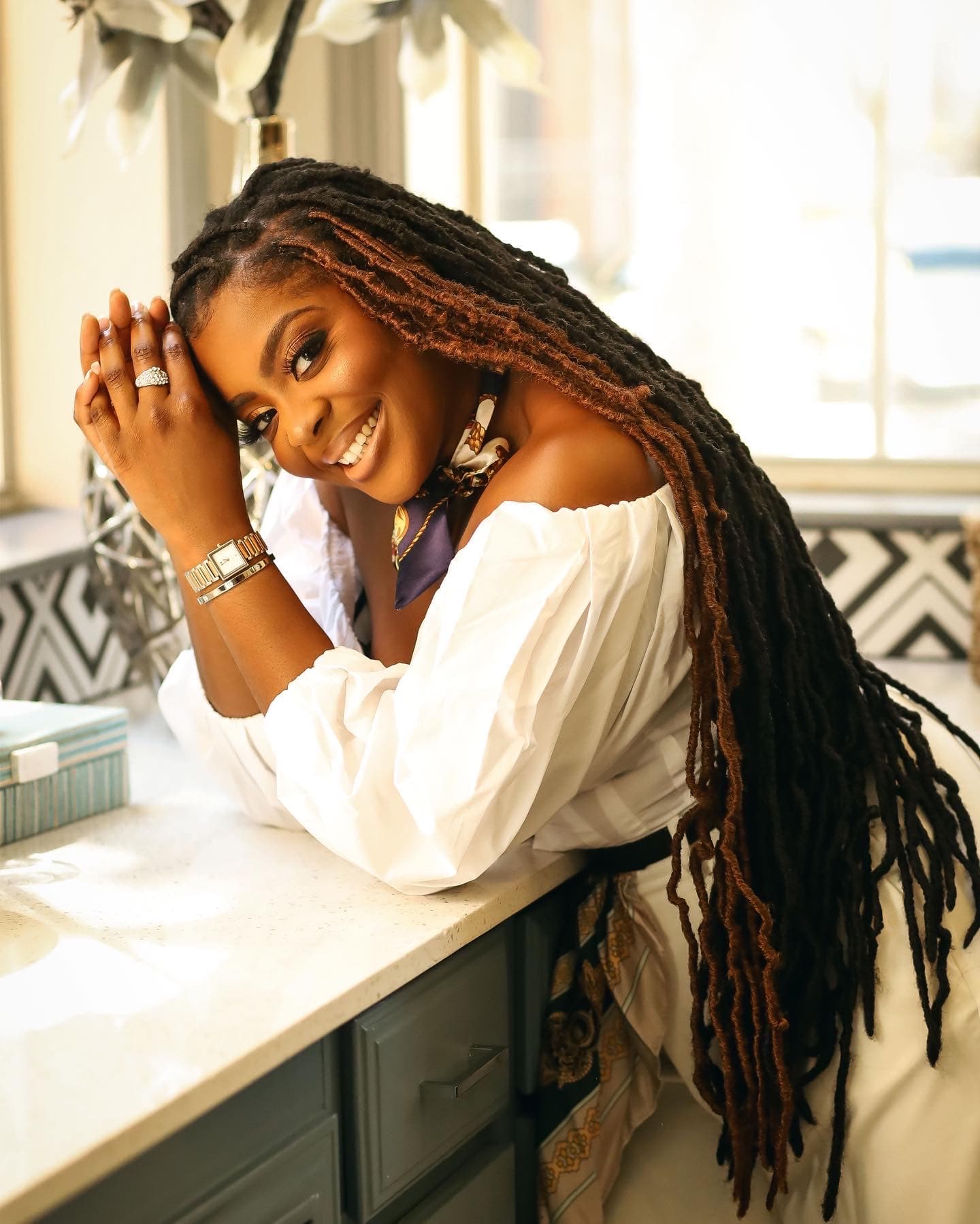
Nancy GLO
Reflective storyteller & style curator for women becoming
Continue Reading
Identity
The series closes with the question it has always been asking: what does it mean to be fully present in your own life — to inhabit it completely, with intention, like you actually mean to be here?
ReadIdentity
A personal letter to the woman who has been reading, who has been doing the work, who is somewhere in the middle of becoming more fully herself.
Read