Wardrobe & Transitions
When Getting Dressed Becomes an Act of Self-Respect
Getting dressed is rarely just about clothes. For many of us, it's where self-neglect quietly lives — and where self-respect can quietly begin again.
ReadWardrobe & Transitions
There is a particular kind of morning — you will know it if you have lived it — where you stand in front of a full wardrobe and feel like you have nothing to wear. Not because the clothes are gone. But because you are.
Something has shifted. A relationship ended. A job disappeared. A move happened. A loss. A diagnosis. A chapter closed in a way you did not fully choose. And the life you had built — including how you showed up in it, including what you put on your body every morning — no longer quite fits.
This is not a shallow problem. The wardrobe is not separate from the self. It is one of the most intimate records of who we have been, what we wanted others to see, and what we were trying to protect ourselves from. So when life changes at its roots, of course the clothes feel wrong. They were dressed for someone else's story.
The first instinct is often to fill the gap — to go out and buy something new, something that signals the new chapter before you have actually begun to live it. I understand that impulse. There is comfort in acquisition. But I have learned, through both my own transitions and the women I work with, that buying before you have cleared is like building on unstable ground.
Start instead with what is already there. Go through your wardrobe not as a task, but as an honest conversation with your past self. Hold each piece and ask not "do I like this?" but "does this belong to who I am becoming?" Those are very different questions.
Some things will have to go — not because they are unworn, but because they carry a weight that no longer serves you. The blazer from the job that diminished you. The dress you wore to please someone who is no longer in your life. The clothes you kept because they were expensive, not because they were true. Release them. Not with guilt, but with gratitude for what they represented and clarity about what you need now.
What remains after that process — the pieces that feel quiet and honest and genuinely yours — that is your foundation. It will likely be smaller than you expect. That is not lack. That is clarity.
Here is something I want you to sit with: you do not need to know exactly who you are becoming in order to begin dressing her.
You do not need a fully formed identity to start making intentional choices. You just need to be honest about how you want to feel — not how you want to look to others, but how you want to feel when you are alone in the room before anyone else sees you.
Grounded? Then look for clothes with weight and structure — fabrics that feel deliberate on the body. Free? Then softness, movement, ease. Taken seriously? Then clean lines, considered silhouettes, nothing apologetic. These are not aesthetic instructions. They are emotional ones. And when you shop from that emotional clarity, even a modest budget produces a wardrobe that feels cohesive and true.
There is also something important to say about pace. A wardrobe rebuilt after a major life change should not be rebuilt in a weekend. Give yourself permission to acquire slowly — one considered piece at a time rather than an entire haul that recreates the problem of excess. The women I have worked with who rebuilt slowly always end up wearing everything they own. Those who rushed often find themselves back at the same crossroads six months later.
I used to think of a wardrobe as something you eventually finished — a destination you arrived at when you finally had enough money, enough space, enough certainty about who you were. I do not believe that anymore.
A wardrobe, like identity, is a living thing. It should be revisited as you change, not left to accumulate evidence of every version of yourself you have outgrown. The women who dress most powerfully are not necessarily the ones with the most clothes. They are the ones who have learned to stay honest — with themselves, with what serves them, with what no longer does.
A life transition is not a setback to your style. It is an invitation to stop dressing from habit and start dressing from intention. The discomfort of standing in front of a full wardrobe that feels empty is actually the beginning of something more aligned — if you are willing to do the work of listening to what it is trying to tell you.
If you're ready to step into a more intentional relationship with how you dress — especially through a season of change — explore Nancy's styling services and begin building a wardrobe that actually belongs to the woman you are right now.
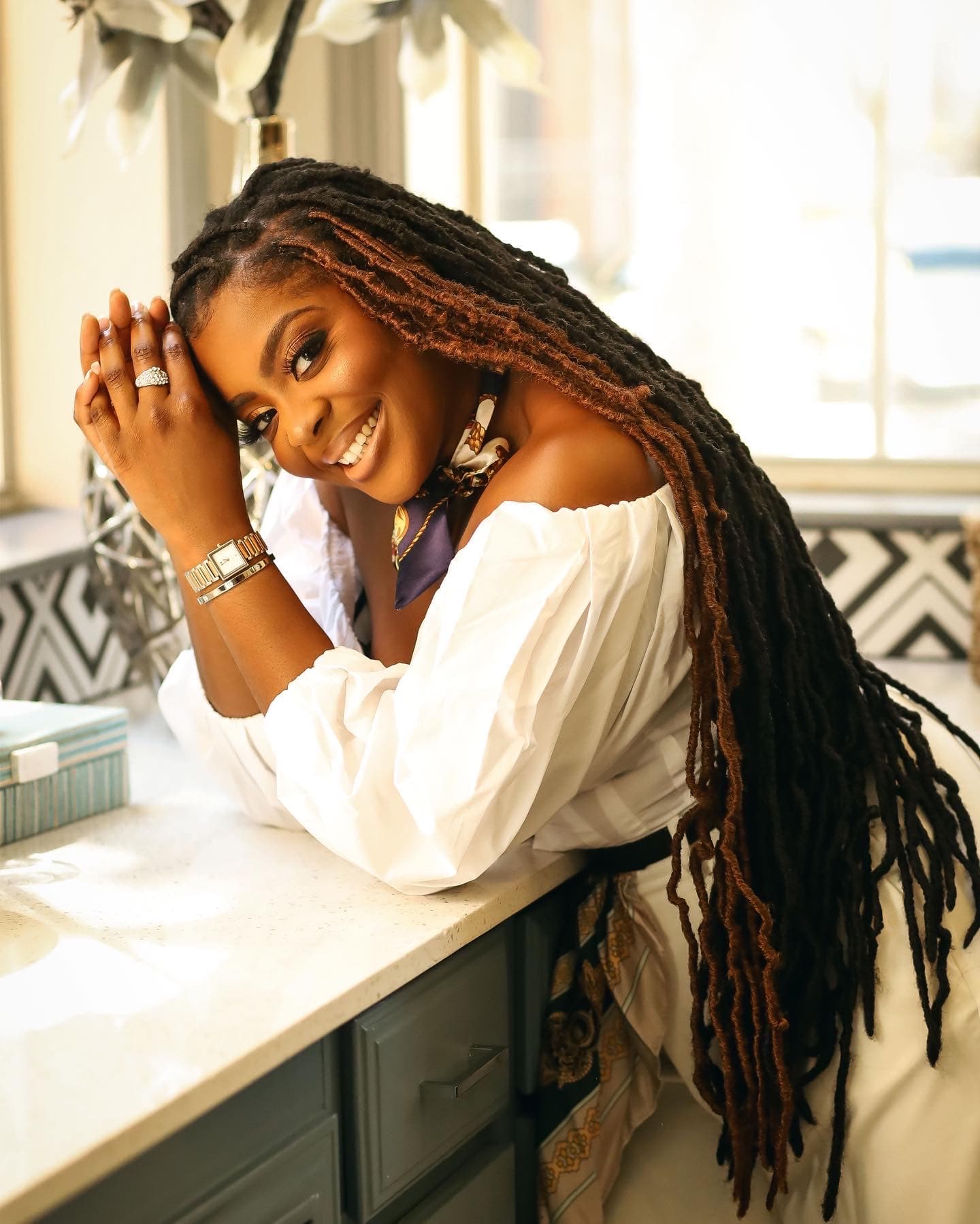
Nancy GLO
Reflective storyteller & style curator for women becoming
Continue Reading
Wardrobe & Transitions
Getting dressed is rarely just about clothes. For many of us, it's where self-neglect quietly lives — and where self-respect can quietly begin again.
ReadWardrobe & Transitions
Building a capsule wardrobe isn't about owning less — it's about choosing more deliberately. Here's how to create a working wardrobe that actually works for you.
Read