Wardrobe & Transitions
When Getting Dressed Becomes an Act of Self-Respect
Getting dressed is rarely just about clothes. For many of us, it's where self-neglect quietly lives — and where self-respect can quietly begin again.
ReadWardrobe & Transitions
There comes a point — usually on a Tuesday morning, running ten minutes late — when you stare into a wardrobe full of clothes and feel, genuinely, that you have nothing to wear. Not because nothing is there, but because nothing fits the woman standing in front of the mirror. That gap — between what you own and who you are — is exactly what a capsule wardrobe is designed to close.
The phrase gets used loosely, so let me be precise about what I mean. A capsule wardrobe is not a minimalist exercise in deprivation. It is not a ten-piece collection of beige linen. It is a curated foundation of versatile, well-considered pieces that reflect your actual life — the boardroom, the lunch, the after-work event you forgot to prepare for — without requiring you to start from scratch every morning.
For the professional millennial woman, especially one navigating a career that demands both credibility and presence, the capsule wardrobe is less about fashion and more about clarity.
Most people start with the obvious: a blazer, a white shirt, black trousers. And yes — those pieces matter. But the foundation I want you to build begins with something more personal. Before you buy a single item, you need to understand the texture of your professional life.
Are you in meetings three days a week or five? Do you move between office environments and client spaces? Is your workplace formally dressed or quietly smart-casual? The answers shape everything. A capsule that works beautifully for a creative director will suffocate a barrister — and vice versa.
Once you are honest about the life you are actually dressing for, the essentials become obvious. A tailored trouser in a neutral that flatters your skin tone — not just black, which absorbs warmth — becomes the spine of the wardrobe. A structured midi skirt in a solid or subtle texture gives you range without requiring effort. A quality knit in a colour you reach for instinctively fills the gaps between formal and relaxed. These are not trendy purchases. They are investments in consistency.
The pieces that earn their place in a capsule are the ones that require almost no thought — because the decision was already made when you bought them.
There is a particular kind of pressure that professional Black British women know well. The pressure to dress conservatively enough to be taken seriously, but not so conservatively that you disappear into the wallpaper of an office that was not designed with you in mind. I refuse to pretend that tension does not exist.
A capsule wardrobe, built well, is a quiet act of resistance to that pressure. It lets you enter a room fully dressed — not as a performance of professionalism, but as an expression of it. The woman who has taken the time to understand what works for her body, her colouring, and her context is rarely the one scrambling for authority when she speaks. She has already claimed it before she sat down.
This means allowing colour into your capsule, deliberately. A rich cobalt, a deep plum, a warm terracotta — these are not departures from professionalism. They are statements of presence. Paired with clean tailoring and considered silhouette, colour communicates confidence far more effectively than a safe grey ever will.
It also means investing in fit. A mid-range piece that has been tailored to your body will always outperform a premium piece that does not quite sit right. Fit is the first thing people read — before fabric, before label, before trend.
When I work with women on building their professional capsule, I always begin with what I call the high-leverage pieces — the items that move between the most contexts with the least effort.
A well-cut blazer is the clearest example. Not a fashion blazer, chasing a lapel trend that will date in eighteen months. A structured, single-button, medium-weight blazer in a neutral that sits well on your shoulders. Thrown over a shirt for a meeting, layered over a dress for an evening, left on the back of your chair when the day loosens — it does more work than almost any other single item.
A quality leather or leather-effect bag that is large enough to function but refined enough to sit on a conference table without apology. A heel or smart flat that your feet actually survive — because discomfort shows up in your posture, and your posture is part of how you are read in a room.
And a dress. One dress that you feel completely like yourself in, that requires nothing to complete it — no styling gymnastics, no anxiety. Just you, dressed.
These are not secrets. But knowing them and acting on them are different things — and the distance between the two is usually not knowledge, it is intention.
If you're ready to step into a more intentional relationship with how you dress, explore Nancy's styling services.
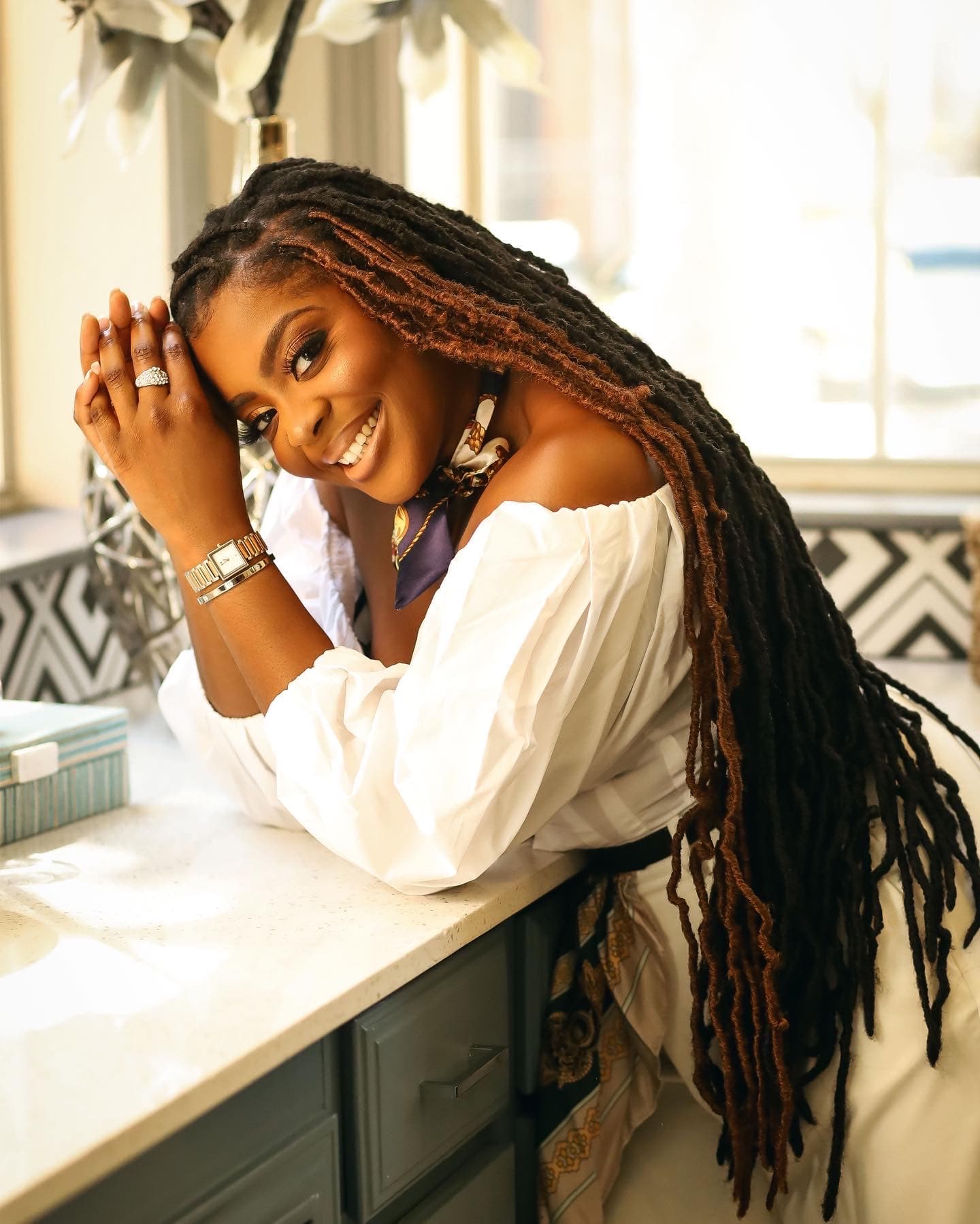
Nancy GLO
Reflective storyteller & style curator for women becoming
Continue Reading
Wardrobe & Transitions
Getting dressed is rarely just about clothes. For many of us, it's where self-neglect quietly lives — and where self-respect can quietly begin again.
ReadWardrobe & Transitions
Building a capsule wardrobe isn't about owning less — it's about choosing more deliberately. Here's how to create a working wardrobe that actually works for you.
Read