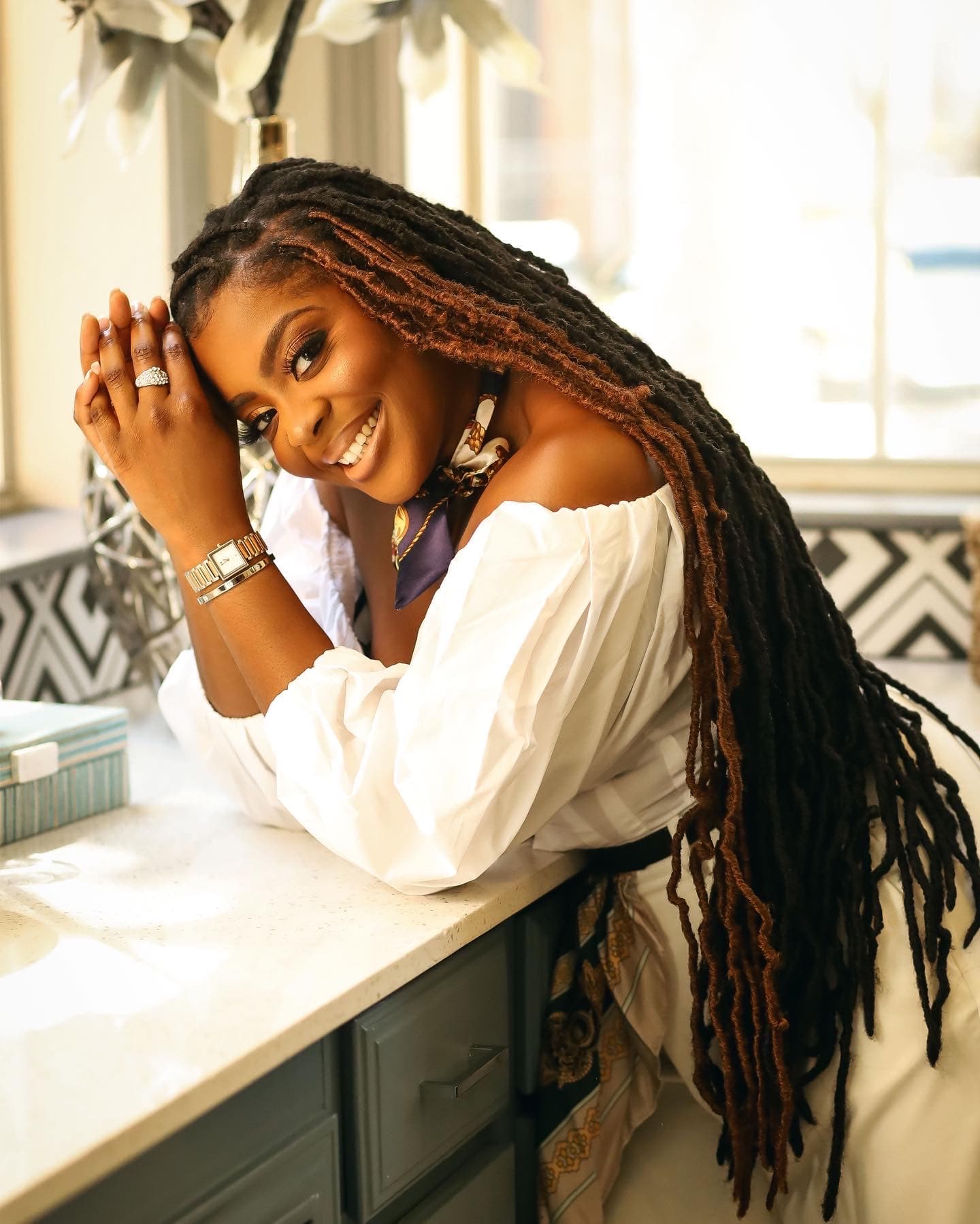
What Feminine Dressing Actually Is
Feminine style is not one thing. It is a spectrum, and it means different things to different women:
To one woman, feminine dressing might mean soft fabrics, delicate prints, and quiet elegance. To another, it might mean bold, structured silhouettes that command a room. To another, it might mean traditional textiles that honour the women in her lineage.
The common thread in all of these is that they are chosen — not required, not performed, but consciously embraced because they feel like expressions of who she is.
Feminine dressing that feels authentic is a form of self-respect. Feminine dressing that is performed for validation is something else entirely — and it tends to feel hollow.
Elements That Often Read as Feminine
If you are trying to introduce a more feminine aesthetic into your wardrobe, here are the elements that tend to create that impression:
Silhouette: A-line and full skirts, wrap dresses, fitted waists, peplum tops, soft blouses. These silhouettes create a sense of movement and softness.
Fabric: Silk, satin, chiffon, lace, soft cotton, georgette. Fabrics that drape, flow, and move tend to read as feminine.
Colour: Softer tones often associated with feminine aesthetics — blush, ivory, dusty rose, sage, champagne — though vibrant, saturated colours can be just as powerfully feminine in the right context.
Detail: Ruffles, embroidery, lace trim, button detailing, bows, pleating. These add softness and intention.
Jewellery: Delicate chains, pearl studs, gold hoops, stacked rings. Or, in the cultural context, bold traditional jewellery — coral beads, gold chains, statement earrings — which are profoundly feminine in their own register.
How to Introduce Femininity Without Abandoning Your Style
If your current aesthetic is more minimal, structured, or neutral, you do not need to overhaul your wardrobe to dress more femininely. Introduce femininity as a layer:
Start with accessories: A pair of delicate gold earrings or a simple chain necklace adds feminine energy to the most neutral outfit without changing the structure at all.
Swap one piece at a time: If you typically wear a blazer and trousers, try swapping the trousers for a fluid midi skirt. Keep the blazer — the contrast between structure and softness is often more interesting than either alone.
Introduce one feminine fabric: A silk blouse in your existing colour palette introduces softness without disrupting your aesthetic.
Lean into your shoes: A feminine shoe — a strappy sandal, a pointed heel, an elegant flat — elevates even the simplest outfit and adds a distinctly feminine note.
The Important Distinction: Feminine vs. Performative
There is a difference between choosing feminine dressing because it genuinely resonates with who you are, and choosing it because you believe it will make you more likeable, more attractive, or more acceptable.
Both produce outfits that might look identical. But one feels grounding and the other feels like a costume.
The question to ask is: Do I want to dress this way, or do I think I should?
When the answer is genuinely want — when you feel more like yourself in a flowing skirt than in a trouser, when you love the way silk feels against your skin, when a particular feminine detail genuinely delights you — then dressing femininely is an act of self-expression.
When the answer is should, it is worth pausing to understand whose voice that should belongs to.
Related: Fashion and Femininity: What Dressing Beautifully Actually Means · Dressing According to Your Values
Feminine Dressing in Different Contexts
At work: Feminine dressing in professional contexts does not require sacrifice of authority. A well-tailored dress in a sophisticated fabric is both feminine and powerful. A structured blazer over a fluid skirt combines both registers. The key is intentionality — not softness versus strength, but the right choices for the specific environment.
For traditional occasions: In Nigerian and African cultural contexts, feminine dressing has its own visual language — one that is often bolder, richer, and more exuberant than Western minimalist femininity. Asoebi, gele, coral beads — these are deeply feminine expressions that do not conform to any Western standard and are no less powerful for it.
In everyday life: Feminine dressing for daily life is about finding the balance between what feels beautiful and what is liveable. A linen dress that you can move in freely is more genuinely feminine than a gorgeous but uncomfortable garment you spend all day managing.
Related: What Is Femininity? Reclaiming the Word on Your Own Terms · How to Embrace Your Femininity Without the Performance · The Complete Personal Style Guide