What Personal Style Actually Is (And What It Isn't)
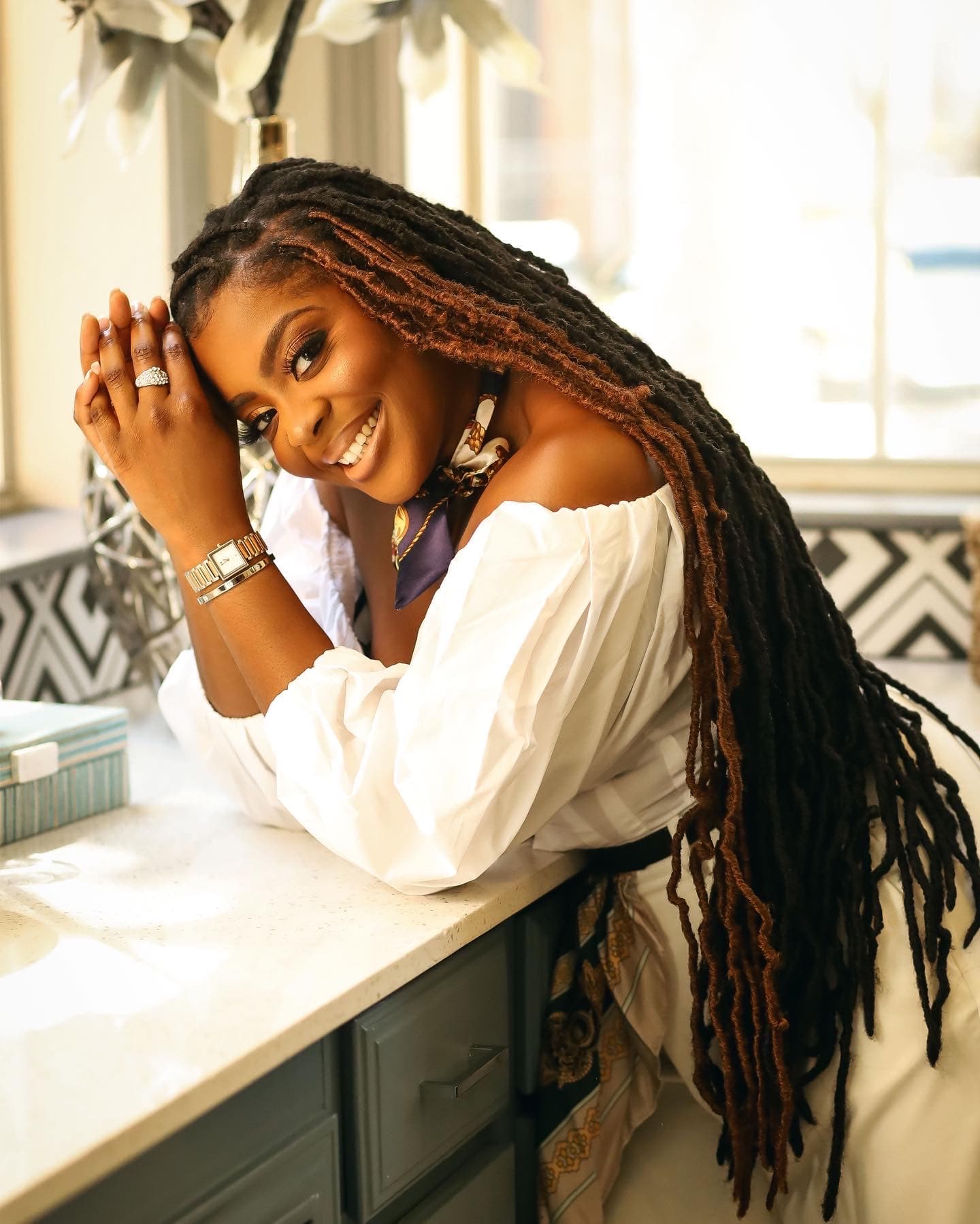
Personal style is the visual language of your identity. It is what people see when you walk into a room before you say a single word. It encompasses not just the clothes you choose, but how you wear them — the slouch of a shirt, the stack of bangles, the decision to go bare-faced or fully done.
What personal style is not:
- A trend you follow because it is popular
- A dress code you perform to meet other people's expectations
- A permanent, fixed thing that cannot evolve
Style evolves as you evolve. The woman you are at 25 wears different things than the woman you are at 35, and both can be entirely right for where you are. The goal is not to arrive at a definitive aesthetic and stay there forever — it is to always be in honest conversation with who you are right now.
Why Your Personal Style Matters More Than You Think
Before we get into the practical work, it is worth pausing on this: why does style matter?
Not because fashion is shallow. Quite the opposite.
What you wear is the first statement you make every morning. It affects how you feel when you leave the house, how you carry yourself in meetings, how comfortable or uncomfortable you are in your own skin. Research consistently shows that clothing influences mood, confidence, and even how other people perceive our competence and warmth.
More than that, style is a form of self-respect. When you take time to dress in a way that reflects who you are, you are sending yourself a message: I am worth the effort. I deserve to show up as myself.
For women, in particular, this matters deeply. So many of us were raised to dress for others — to be modest enough, professional enough, feminine enough, appropriate enough. Reclaiming your style is, in a quiet way, an act of reclaiming yourself.
Step One: Know Yourself Before You Know Your Style
The biggest mistake women make when trying to develop personal style is starting with the clothes. They pin images on Pinterest, follow fashion accounts, and start shopping — before doing the more important work of understanding who they are.
Your style cannot be built on a foundation of what you admire in others. It must be built on self-knowledge.
Ask yourself these questions honestly:
How do you want to feel when you get dressed? Powerful? Soft? Creative? Professional? Feminine? This is your emotional anchor.
What does your life actually require of you? A woman who travels frequently needs a different wardrobe to a woman who works from home. Dress for the life you are living, not the life you imagine.
What colours make you feel alive? Not what is flattering (that comes later) — what genuinely energises you when you look at it?
What are your non-negotiables? Some women will not wear anything uncomfortable, regardless of how beautiful it looks. Others will not sacrifice elegance for practicality. Know your limits.
Who do you become when you are dressed at your best? This woman already exists. You are just learning to meet her more consistently.
Step Two: Audit Your Current Wardrobe Honestly
Before you add anything new, you need to understand what you currently have — and why so much of it isn't working.
Lay everything out. Every item. Then sort them into three groups:
Love and wear: These are your clues. Study them. What do they have in common? Colour? Fabric weight? Silhouette? This is the beginning of your style blueprint.
Own but rarely wear: Ask yourself why, honestly. Is it the wrong colour for your complexion? The wrong silhouette for how you like to feel? Does it require ironing and you never iron? These answers are data.
Never wear: These need to go. They are taking up space, creating visual noise, and making you feel overwhelmed every morning.
The clothes you actually wear will tell you more about your personal style than any quiz or Pinterest board.
Related: How to Shop Your Own Wardrobe Before You Buy Anything New
Step Three: Identify Your Style Aesthetic
Once you understand what you already love, you can begin to name it. Style aesthetics are useful not as rigid boxes, but as shorthand for the energy you want to project.
Some aesthetics that resonate with women building intentional wardrobes:
Quiet Luxury — Understated, high-quality basics in neutral palettes. The clothes whisper rather than shout. Think clean lines, excellent fabric, minimal branding.
Editorial Feminine — Polished and deliberate with moments of drama. Structured blazers, statement sleeves, elegant midi lengths. Not loud, but undeniably intentional.
Soft Minimalist — Clean silhouettes, soft textures, a muted palette with occasional warmth. Ease and elegance in equal measure.
Cultural Richness — A wardrobe that honours heritage — African prints, traditional textiles — worn with modern sensibility and confidence.
Classic Elevated — Timeless pieces made current through fit, accessories, and confidence. The woman who always looks effortlessly appropriate.
You may find that you are drawn to more than one. That is entirely normal. The goal is not to choose a label but to understand the feeling your wardrobe should consistently create.
Related: The 8 Style Archetypes for Women — Which One Are You?
Step Four: Build Your Style Blueprint
With your wardrobe audit and aesthetic in hand, you can now build what I call a style blueprint — a set of guidelines that govern every future purchase and outfit decision.
Your colour palette: Choose 3–4 neutral anchor colours and 1–2 accent colours. Every item you own should work with this palette.
Your silhouette signature: Do you love fitted waists and full skirts? Straight-leg trousers and oversized tops? Wide-leg everything? Knowing your signature silhouettes eliminates confusion in the dressing room.
Your fabric standards: Quality matters more than quantity. Identify the fabrics that photograph well, feel good on your skin, and hold their shape. Then prioritise them.
Your style rules: Not fashion rules — your rules. The things that are always true for you. Examples: "I always feel best in a heel." "I never wear anything that requires professional dry cleaning." "I always add one unexpected element to an outfit."
Related: How to Build a Personal Style from Scratch in 30 Days
Step Five: Shop With Intention
Once you have a blueprint, shopping becomes radically simpler. You are not browsing for inspiration — you are sourcing specific additions to a deliberate collection.
Before buying anything, ask:
- Does this fit within my colour palette?
- Does this align with a silhouette I know works for me?
- Can I style it at least three ways with things I already own?
- Is this filling a genuine gap, or am I buying it because it is beautiful and on sale?
- Would I pay full price for this?
The last question is clarifying. Sale items seduce us into buying things we would never choose at full price — and they end up in the pile of things we never wear.
Related: How to Stop Buying Clothes You Never Wear
Step Six: Dress It With Confidence
The most beautifully curated wardrobe in the world means nothing if you do not wear it with confidence. Confidence, in the context of dressing, is not about perfection — it is about commitment.
When you put on an outfit and then spend the day tugging at it, checking mirrors, and wondering if it is "right," you undermine every careful choice you made. Confident dressing means wearing what you have chosen as though you chose it on purpose — because you did.
Some things that help:
- Spend time in front of the mirror at home, not just on the way out
- Get dressed earlier than you need to, so you have time to decide without rushing
- Dress for how you want to feel, not just for the occasion
- Allow yourself to be seen
Related: How to Dress for Confidence — Because It Is Actually a Strategy
Frequently Asked Questions
How long does it take to develop a personal style?
There is no fixed timeline. Some women have a clarity shift in a few weeks of intentional reflection. Others refine their aesthetic over years. What matters is that you are always moving toward more honesty — more alignment between who you are and how you dress.
What if I cannot afford to rebuild my wardrobe?
You do not need to. Start by removing what is not working, and learn to remix what remains. Personal style is not about volume — it is about intention. One perfectly chosen outfit you love is worth more than twenty pieces you feel neutral about.
Can personal style change with age?
Yes, and it should. Your style at 40 should reflect the woman you have become, not preserve the aesthetic of who you were at 25. Evolution is not inconsistency — it is growth.
I admire how other women dress but can't seem to replicate it. Why?
Because you are trying to wear someone else's identity. Admiring a style and adopting it wholesale rarely works because the clothes do not match the energy of who you are. Use the women you admire as inspiration, not as a template.
A Final Word
Personal style is one of the quietest, most consistent forms of self-expression available to us. It happens every day, whether we are paying attention to it or not. The question is whether it will speak honestly, or whether it will speak by default.
The woman you are becoming deserves a wardrobe that is ready for her.
Start where you are. Work with what you have. And dress, always, like someone who knows who she is — even when she is still figuring it out.
Explore more in this series: How to Find Your Personal Style · What Is Personal Style? · Building a Capsule Wardrobe