Wardrobe & Transitions
When Getting Dressed Becomes an Act of Self-Respect
Getting dressed is rarely just about clothes. For many of us, it's where self-neglect quietly lives — and where self-respect can quietly begin again.
ReadWardrobe & Transitions
There comes a point — quietly, without announcement — when you open your wardrobe and feel nothing. Not because it is empty, but because nothing in it belongs to where you are going.
That moment is not a fashion problem. It is an identity signal.
I have been there. Standing in front of a full rail of clothes, dressed for a life I had already quietly left — a job I no longer worked, a relationship that had ended, a version of myself I had been so careful to maintain for other people's comfort. The clothes still fit. But they no longer told the truth.
Most of us dress from memory. We buy what we have always bought, reach for what has always felt safe, and quietly avoid anything that feels like too much of a declaration. And it makes sense — the familiar is efficient. It does not require us to answer questions we are not yet ready to answer.
But your wardrobe is not neutral. Every choice you make when you get dressed — what you reach for, what you skip, what you bought but never wear — is a reflection of the story you are currently telling yourself about who you are.
The dangerous part is when that story is out of date.
When you are in the middle of a transition — a new career, a shift in your sense of self, a season of becoming something you do not yet have words for — your clothing can either support that movement or quietly hold you in place. I have seen women spend years in a style that belonged entirely to who they used to be, and they could not understand why they kept feeling invisible. The clothes were fine. But they were dressed for the past.
Dressing for who you are becoming does not mean buying everything new. It does not mean abandoning what you love. It means making intentional decisions — small, deliberate ones — that begin to close the gap between the woman you are stepping into and the one your wardrobe still thinks you are.
Start with how you want to feel, not how you want to look. This distinction matters more than most style advice will tell you. Looks are external. Feelings are directional. If the woman you are becoming feels grounded and deliberate, that might mean fewer, better pieces rather than a full wardrobe overhaul. If she feels bolder, more expressive, less concerned with blending in — that is a different conversation entirely.
Then look honestly at what you are holding onto and ask yourself why. Not everything we keep is worth keeping. Some pieces stay because they were expensive. Some because they remind us of a time when life felt simpler. Some because getting rid of them would mean admitting that that chapter is genuinely over. That is the harder work — and it has very little to do with fashion.
The clothes that make you feel like you have to shrink yourself to wear them? Those are not serving you. The ones that feel like armour, like clarity, like yes, this is me — those are worth understanding.
Here is the thing no one tells you about transition: you do not have to wait until you have fully become someone before you start dressing like her.
There is something quietly powerful about choosing your clothes as though you have already arrived — not in performance, not in pretending — but in practice. Deciding, each morning, to dress for the version of yourself you are actively growing toward. It is one of the most embodied ways I know to make becoming feel real.
I think about it the way I think about posture. No one waits until they feel confident to stand tall. You stand tall, and the confidence follows — or at least, it has room to. The body and the mind are always in conversation. What you put on your body is part of that conversation.
So when you find yourself standing in front of your wardrobe feeling disconnected, do not rush to fill the gap with shopping. Sit with the discomfort long enough to ask what it is actually telling you. Because the woman on the other side of this transition — the one you are moving toward — she does not need a new wardrobe. She needs you to start making choices that honour where she is headed.
That is where intentional style begins. Not in a shop. In the decision to stop dressing for who you were.
If you're ready to step into a more intentional relationship with how you dress, explore Nancy's styling services — and begin building a wardrobe that moves with you, not behind you.
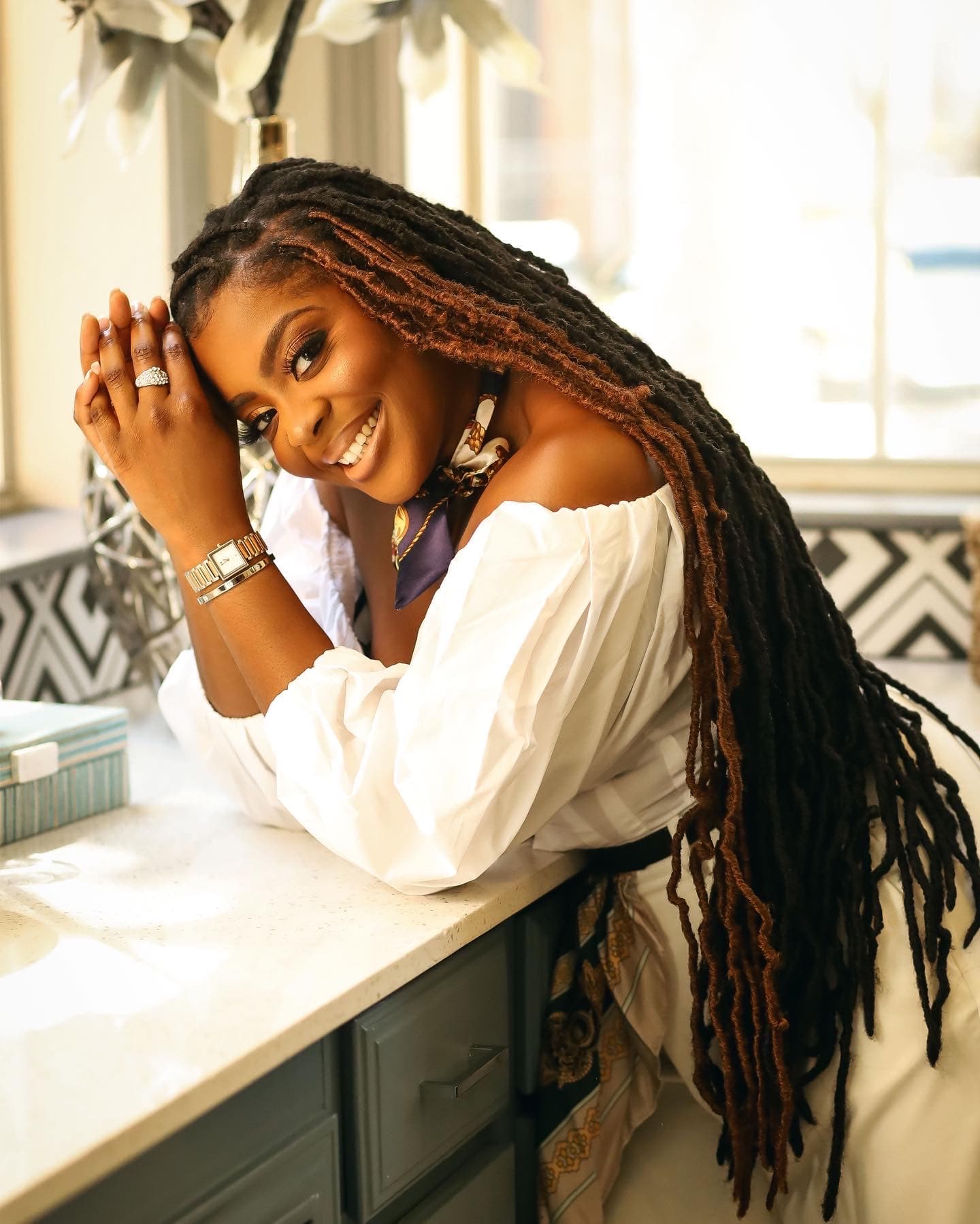
Nancy GLO
Reflective storyteller & style curator for women becoming
Continue Reading
Wardrobe & Transitions
Getting dressed is rarely just about clothes. For many of us, it's where self-neglect quietly lives — and where self-respect can quietly begin again.
ReadWardrobe & Transitions
Building a capsule wardrobe isn't about owning less — it's about choosing more deliberately. Here's how to create a working wardrobe that actually works for you.
Read