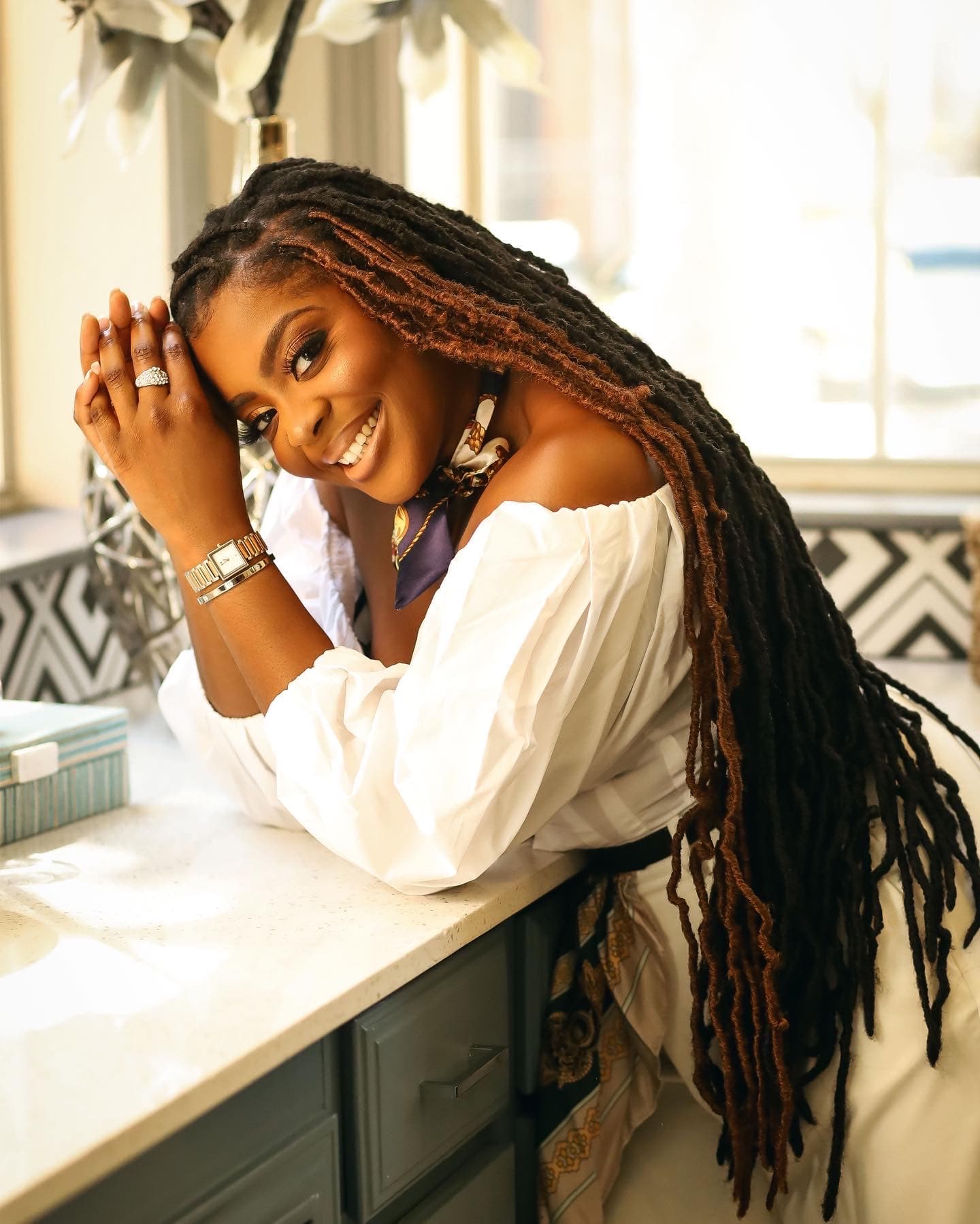
There is a particular kind of pressure that arrives in your inbox with an owambe invitation — especially when it comes with a colour code, a fabric vendor's number, and a deadline you almost missed. Before you have even thought about your silhouette, there are already three WhatsApp messages asking if you are doing aso-ebi.
Dressing for a Nigerian owambe is its own language. And like any language, it rewards those who take time to learn it properly.
Whether you are attending a wedding, a 70th birthday, a naming ceremony, or a thanksgiving service that somehow becomes a full-scale reception — this guide is for you. Not the version of you trying to blend in. The version of you who wants to arrive prepared, intentional, and beautifully dressed.
Understanding What the Occasion Is Actually Asking of You
The first thing to understand about owambe culture is that the dress code is rarely just aesthetic — it is social. Wearing aso-ebi signals belonging. It says: I am connected to this family. I showed up for them in the full sense of the word.
If aso-ebi is available and you are close to the host family, wearing it is a gesture of honour. It is worth factoring into your budget if the relationship calls for it. But if the fabric is out of reach or the deadline has passed, that does not mean you arrive underdressed. It means you dress with the same intentionality, in complementary colours or in something equally considered.
When aso-ebi is not being coordinated — or when you are a guest who simply was not offered the fabric — read the invitation carefully. A colour code is not a suggestion. Neither is "traditional attire." These instructions communicate the energy the hosts are curating, and your outfit is part of that collective picture.
The Fabric, the Cut, and the Finishing Details
Owambe fashion is not the place for understatement — but that does not mean it is the place for chaos either. There is a difference between a look that commands attention and one that simply demands it.
For traditional events, the most respected fabrics remain aso-oke, ankara, lace, and george. Aso-oke — particularly in gele form — carries a weight of cultural significance that no printed satin can replicate. If you are wearing the aso-ebi fabric, work with a tailor who understands structure. A poorly sewn aso-ebi look will always show, regardless of how beautiful the fabric is.
The silhouette matters enormously. A well-fitted buba and skirt, a sleek off-shoulder peplum, a floor-length A-line with statement sleeves — these are all appropriate and elegant. What you want to avoid is a cut that fights the fabric or an outfit that has not been tried on before the day itself. Fittings are not optional. They are the difference between wearing your clothes and your clothes wearing you.
Accessories at an owambe should be deliberate. Coral beads, gold jewellery, and a well-tied gele can elevate a look entirely. The gele, in particular, deserves its own consideration — if you are not tying it yourself, book your gele artist in advance. Good ones fill up quickly, especially for peak season weekends.
The Unspoken Rules Worth Knowing
There are things about owambe dressing that nobody puts in the invitation, but every seasoned guest understands.
Heels are almost inevitable — but so is a long day on uneven ground, in a marquee, across a church car park, and then onto a dancefloor. Block heels, kitten heels, or a clean flat sandal are not a compromise. They are wisdom. Your feet are not the sacrifice the occasion requires.
Colour confidence is encouraged. Owambe is not the space to disappear into neutrals unless that is genuinely your intentional choice. Even guests who are not in aso-ebi tend to arrive in rich jewel tones, warm earth shades, or vivid prints. The room is designed to be full of colour — and you are welcome to contribute to that.
Modesty standards vary across households and regions, but as a general guide, dressing with a level of coverage that respects the solemnity of church services or traditional ceremonies — even when the later reception is more festive — will always serve you well. You can be stunning and considered at the same time.
Finally: arrive on time. Not Nigerian time. The actual time on the card — particularly for church or mosque ceremonies. The aesthetic effort you have made deserves to be seen in full, not from the back row of a ceremony that started an hour ago.
An owambe is not just a party. It is a gathering of people who love someone, dressed in their finest, celebrating a moment that will live in photographs for decades. The way you show up — the care you took, the colours you chose, the details you honoured — is part of that story.
If you are coordinating an upcoming event or looking for support with your guest look, explore GLO Styles — where the guesswork ends and the getting-dressed part actually becomes something to look forward to.