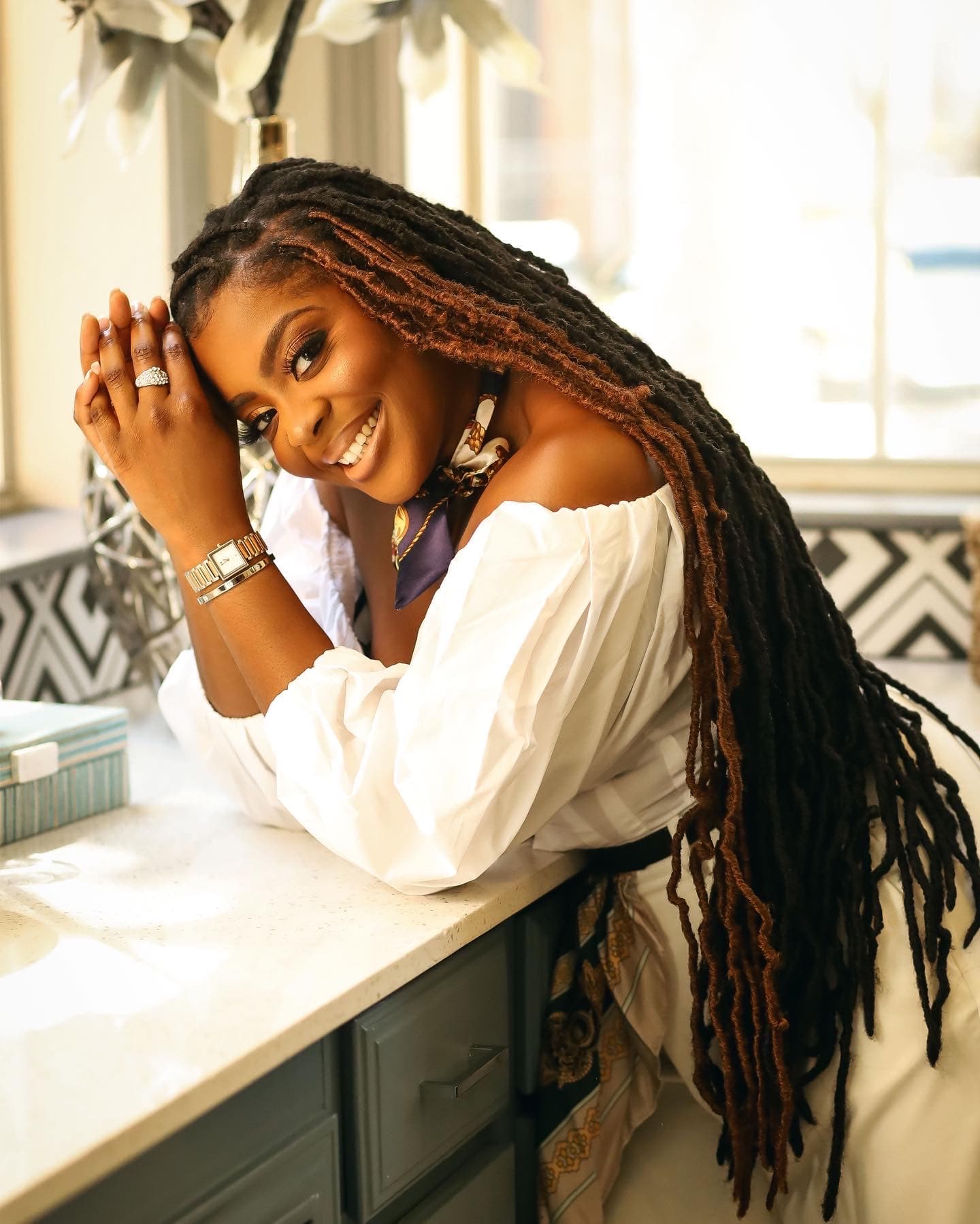
What an Owambe Actually Is — and Why the Dress Code Matters
An owambe is not a party in the ordinary sense. It is a ceremony. Whether it is a fiftieth birthday, a naming day, a thanksgiving, or a traditional wedding, the event carries weight — social, spiritual, familial. The way guests dress is part of the fabric of the occasion itself. You are not just attending. You are participating.
This is why the dress code at a Nigerian owambe functions differently from a Western formal event. It is not about adhering to a strict silhouette. It is about reading the room, honouring the host, and showing up with a level of dressing that says: I took this seriously.
The first thing to establish is whether you have been given aso-ebi — the coordinating fabric distributed by the host family. If you have, your decision is largely made for you in terms of colour and material. What remains is how you interpret it. If you have not been given aso-ebi, you are what is known as a non-uniform guest, and that actually gives you more creative freedom than you might think.
Fabric, Silhouette, and the Details That Elevate Everything
For owambe dressing, the fabric you choose carries as much meaning as the cut. Aso-oke — the handwoven textile that comes in rich, structured weaves — is among the most prestigious choices you can make as a guest. Worn as a headtie, a wrap, or even woven into a gele, it signals cultural fluency. Ankara, lace, adire, and brocade are all appropriate depending on the formality of the event, the time of day, and your own relationship to the occasion.
As a general principle: the later in the day, the more formal your fabric choice should be. An afternoon naming ceremony might welcome vibrant Ankara in a well-tailored silhouette. An evening thanksgiving in a church hall followed by a reception calls for lace, heavy brocade, or aso-oke — fabrics that carry ceremony in their very texture.
Silhouette matters too. Midi and floor-length styles dominate owambe spaces, and for good reason — they read as considered and complete. A well-fitted peplum blouse with a floor-length skirt, a structured mermaid gown, or a flowing agbada-inspired silhouette for those who wear them — all of these communicate that you arrived with purpose. What to avoid is anything that reads as casual, even if it is technically expensive. Fitted mini dresses, bodycon styles without structure, and anything too Western-formal-gala often miss the cultural register entirely.
The headtie — whether a full gele, a loosely tied scarf, or a structured turban — is not optional at many owambes. It is part of the language of the occasion. If you are not yet comfortable tying your own gele, a pre-tied option still honours the tradition. What matters is the gesture.
Shoes should be heeled or structured — block heels, wedges, kitten heels, or strappy sandals all work beautifully. Flat options are not disqualifying, but make sure the rest of your look compensates in formality. And your bag — even a simple beaded clutch in a complementary tone — completes the picture in a way that a casual everyday handbag cannot.
Reading the Room Before You Get There
Every owambe has its own internal culture, and the most stylish thing you can do is gather intelligence before you dress. Who is the host family? What is their background — Yoruba, Igbo, Edo, Delta? Is the event happening in Lagos or London? Is it primarily an older generation gathering, or a mixed-age celebration?
These questions shape everything. A Yoruba owambe in London may lean into vibrant colour, theatrical gele, and heavy lace. An Igbo celebration may favour more tailored george fabric, rich jewel tones, and understated elegance. Neither is more correct — but both reward the guest who pays attention.
When in doubt: be more dressed, not less. At an owambe, being overdressed is almost always forgiven. Being underdressed is noticed, quietly, by everyone.
If you are coordinating an upcoming event or looking for support with your guest look, explore GLO Styles — a service designed specifically for women who want to show up at these moments looking and feeling exactly right.