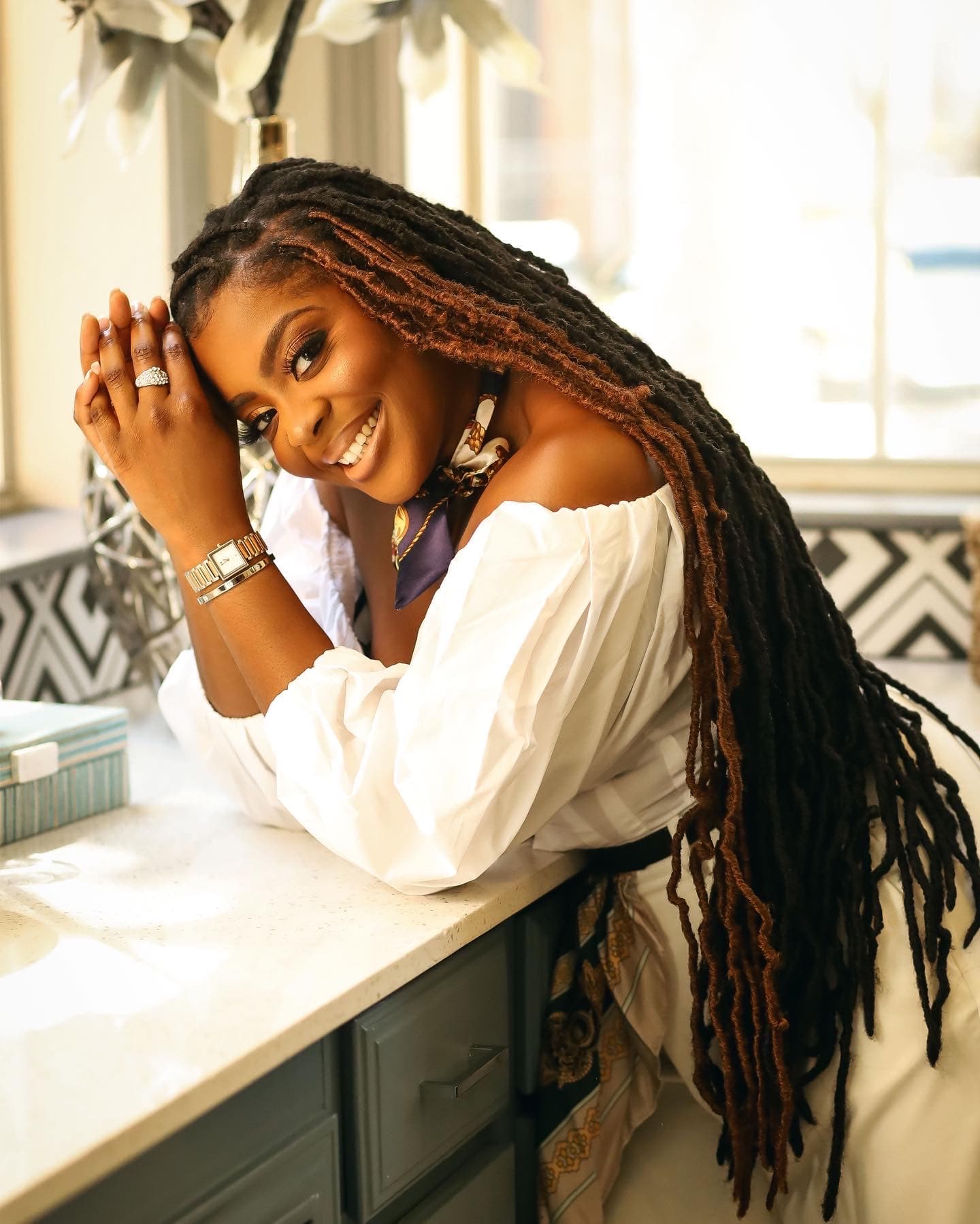
The Occasion Comes First — Always
Before you decide on a silhouette, a fabric, or a headtie, ask yourself one question: what kind of owambe is this?
A burial celebration and a traditional wedding carry entirely different energies, even if both involve jollof rice and a live band. A naming ceremony is joyful and often more relaxed. A fiftieth birthday party for a Yoruba matriarch is practically a state occasion. The dress code language on Nigerian invitations — Traditional, Smart Casual, Owanbe Attire, Strictly No Black — is not decoration. It is instruction.
Read it that way.
If the invite says asoebi available, and you are within the inner circle, wearing it is not optional in spirit even when it technically is. Wearing the asoebi is a form of solidarity — a visible declaration that you are with this family on this day. If you cannot source the fabric in time or it doesn't suit your body, communicate that early and compensate with a colour that sits within the palette. Showing up in a clashing scheme is the kind of thing aunties notice and remember.
Fabric, Silhouette, and the Art of Getting It Right
Nigerian owambe style is one of the few dress codes where more is not automatically too much. The occasion is designed for full presence — in colour, in fabric, in adornment. Restraint has its place, but invisibility does not serve you here.
Aso-oke, lace, and ankara remain the most trusted fabrics for guests. Aso-oke carries cultural weight and photographs beautifully — it is particularly appropriate for traditional ceremonies. French lace and Swiss voile read as elevated and are favoured for weddings and milestone parties. Ankara, when tailored well, works for most occasions and offers the most creative latitude in terms of silhouette.
Silhouette matters more than most people realise. A buba and wrapper is always appropriate and always elegant. A fitted peplum blouse over a high-waisted skirt reads as modern without being disrespectful. A well-constructed boubou — particularly in rich lace or aso-oke — signals confidence and knowledge of the culture. What tends not to translate well is a fabric that is distinctly owambe but a cut that is distinctly office — the two can clash in a way that reads as unfinished rather than intentional.
Your gele or headwrap is not optional if the occasion is traditional or semi-formal. For many women this is the part that causes the most anxiety, particularly if you did not grow up tying your own. Source a professional gele tier. It is worth every penny. A beautifully tied gele can elevate a simple outfit in a way that no jewellery can replicate.
How to Dress With Intention When You Are Not Fully in the Culture
Many of us exist somewhere in the middle — Nigerian by heritage, British by upbringing, or neither and simply beloved by the family hosting. Owambe is genuinely one of the most welcoming spaces in Nigerian culture, but it rewards effort.
If you are not Nigerian and have been invited, the most respectful thing you can do is try. A well-chosen ankara co-ord or a richly coloured lace dress in the party's palette will be received warmly. What reads as dismissive is turning up in a bodycon dress more suited to a cocktail bar, or defaulting to all-black when the invite has specified colour. The effort is the signal.
If you are Nigerian-British and have complicated feelings about how much of the culture to perform — I understand that tension more than I can say here. But owambe is one of the few spaces where leaning in is rarely punished. It is not a performance. It is participation. And there is a difference.
For those navigating the cultural nuance, a simple principle: dress as though you respect the host more than you want to be comfortable. Comfort is something you can prepare for — broken-in heels, breathable fabrics, a bag big enough for your essentials. Respect is something you choose in advance.
If you are coordinating an upcoming event or looking for support with your guest look, explore GLO Styles — it is exactly the kind of space where we work through the details together, so that when you walk in, the only thing you are thinking about is celebrating.