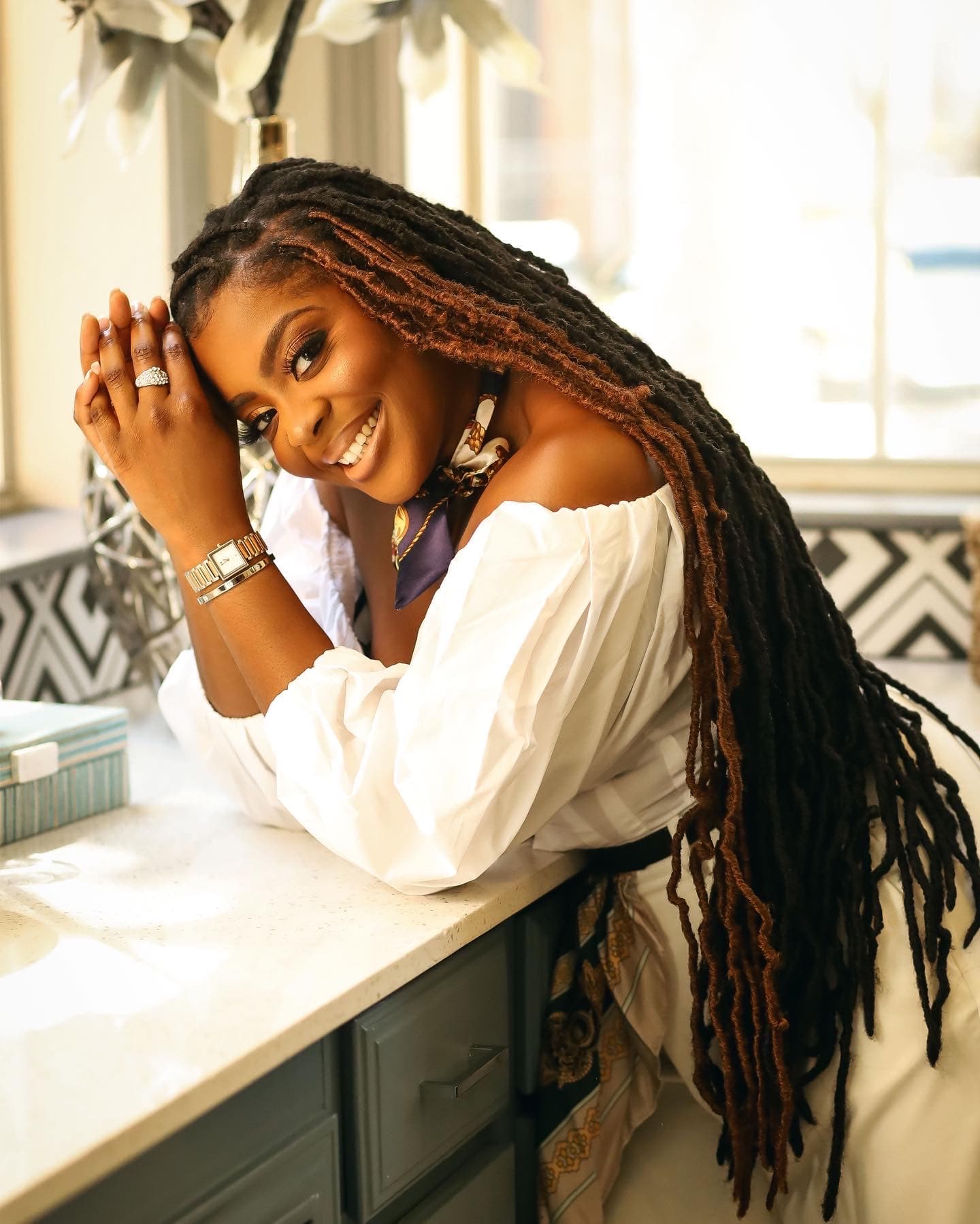
The Core Principle: Dress the Body You Have Now
This bears saying clearly because it is so frequently violated: a capsule wardrobe built around pieces that almost fit, that you plan to wear when your body is different, or that make you feel uncomfortable in order to look a certain way, is not a functional wardrobe. It is a collection of aspirations.
Looking for personal styling support? Explore GLO Styles →
Dress the body you have now, with care and intention. The quality of fabric, the correctness of fit, the coherence of the aesthetic — all of these are available to you today, in the body you currently inhabit. They are not conditional on any future change.
The Silhouettes That Work Particularly Well
The Wrap
The wrap dress, wrap skirt, and wrap blouse are among the most universally flattering silhouettes for curvy bodies because the wrap creates waist definition at the point where the body is narrowest (the natural waist) and flows over the hip and thigh without clinging. The adjustable tie means the garment can be positioned precisely for the wearer's specific proportions.
In a capsule context: a wrap dress in a quality jersey or fluid fabric is one of the single most versatile pieces available to a curvy woman. It works for work, for social occasions, for church, and styled with the right accessories, for semi-formal events.
The A-Line
Fitted through the bodice and flowing from the hip — the A-line skirt and A-line dress create a clean silhouette that does not require the fabric to accommodate the hip within a fitted structure. This makes A-line pieces significantly easier to fit than pencil or straight silhouettes, which must be precisely sized through both waist and hip.
High-Waisted Everything
High-waisted skirts, trousers, and jeans create waist definition and elongate the appearance of the leg by raising the waistband above the natural hip. They also avoid the common fit problem of a waistband that sits at the widest point of the hip, which is uncomfortable and creates pulling.
Empire Waist
For dresses and tops, an empire waistline sits just below the bust — at the narrowest point of the torso — before flowing into the body of the garment. This completely sidesteps the hip and thigh fit challenge, making it one of the most reliably flattering silhouettes for curvy figures.
Midi Length
The midi hemline — between the knee and ankle — tends to be particularly flattering for curvy women because it allows fabric to flow past the widest points of the lower body and create a clean, elegant line. It is also more versatile across occasions than the mini or the maxi.
Fabric Choices That Serve Curvy Bodies
Quality stretch fabrics: Ponte, scuba, and quality stretch crepe hold their structure across a curvy silhouette without clinging excessively. They are the best friend of a curvy capsule wardrobe.
Fluid natural fabrics: Quality linen, silk, and rayon drape over and past the body rather than conforming to it. They create a flowing elegance that structured or stiff fabrics do not.
Medium-weight fabrics: Both very light and very heavy fabrics can present challenges for curvy bodies. Very light fabric clings without providing structure. Very heavy fabric adds visual bulk. A medium weight — substantial enough to have shape, light enough to drape — tends to serve the widest range of curvy body types most naturally.
Fabrics to approach with care: Very stiff fabrics that add volume where it is not wanted. Very thin fabrics that provide no structure or opacity.
The Fit Imperatives
In a curvy capsule wardrobe, fit is everything — even more so than in a standard capsule, because the range between sizes in fashion is less precise for curvy bodies, and the gap between a well-fitting garment and a poorly fitting one is more visible.
The waistband rule: Waistbands should sit at the natural waist or slightly above — never below — for the cleanest silhouette.
The shoulder rule: Shoulder seams must sit precisely at the shoulder point. A shoulder seam that falls forward or slides across the upper arm creates a shapeless quality regardless of the garment's overall design.
The bust rule: Blouses and dresses that pull across the bust or gap at the buttons are not well-fitting for this body. The resolution is almost always either a larger size (altered at the waist if needed) or a different silhouette.
The hip ease rule: Skirts and trousers must have sufficient ease at the hip to move freely — not to be pinned against the body. Clothes that require constant tugging and adjusting are not well-fitting.
The tailor relationship: Every capsule wardrobe benefits from a tailor relationship. For curvy women, this is especially true, because the standard sizing across waist and hip rarely aligns perfectly with a fuller figure's proportions. A good tailor — one who understands curvy fitting — is one of the most significant wardrobe investments available.
The Capsule Essentials for Curvy Women
Must-haves:
- A wrap dress in a fluid, quality fabric
- High-waisted wide-leg trousers in a quality fabric
- A midi skirt in A-line or wrap silhouette
- A quality blouse in a fabric with good drape
- An empire-waist dress
- A structured blazer in a size that fits across the back and shoulder (even if the waist needs taking in)
- Dark, well-fitting jeans in a high waist
- A fitted knit in the right weight (substantial enough to not cling, light enough to drape)
Related: How to Dress for Your Body Type Without Making It Your Whole Personality · The Complete Capsule Wardrobe Guide · Body Confidence for Women