Identity
What It Means to Live Like You Mean It
The series closes with the question it has always been asking: what does it mean to be fully present in your own life — to inhabit it completely, with intention, like you actually mean to be here?
ReadIdentity
The contemporary conversation about body confidence tends to oscillate between two poles: relentless self-criticism on one end, and the insistence that you must love every part of your body at all times on the other. Both extremes are, for most women, unsustainable.
Real body confidence — the kind that holds across time, across body changes, across the inevitable impermanence of appearance — is something different. It is not the performance of love for a body you may not always feel love for. It is an orientation of respect, care, and functional relationship with the body you actually have.
Body confidence is the ability to be present in your body — to inhabit it fully, to move through the world in it — without significant portions of your attention being consumed by its management, evaluation, or apology.
It does not require loving every aspect of your appearance. It does not require the absence of preferences or the suppression of all critical self-perception. It requires that the relationship with your body be functional rather than adversarial — that your body be experienced as the vehicle of your life rather than the obstacle to it.
The war with the body is not abstract. It is specific, daily, and exhausting. For many women, it includes:
The critical morning mirror. The first significant interaction with the day — an evaluation that often begins before conscious awareness, producing a verdict on the body's acceptability before the day has properly started.
The constant comparison. The reflexive measurement of your body against others' — in person, in media, on social platforms — and the assessment of where you rank in a hierarchy of acceptability.
The "when I lose weight" postponement. The deferral of full participation in life — in beautiful clothes, in photographs, in experiences — until the body becomes acceptable. Which means full participation is perpetually deferred.
The functional disconnection. Years of treating the body primarily as an object to be evaluated rather than a subject to be inhabited. The consequence: a profound disconnection from physical sensation, from pleasure, from the body's own intelligence about what it needs.
If this reflection is resonating, the work goes deeper in the book. Read The Good Girl Delusion →
Shift from evaluation to sensation. The body-critical orientation is visual and evaluative — standing outside your body and assessing it. The alternative is experiential — inhabiting your body and attending to what it is experiencing. Regular practices that bring you into physical sensation (movement, breath, touch, rest) rebuild the inhabiting relationship.
Expand the definition of your body's role. What can your body do? What experiences does it allow? Where has it carried you through difficulty? The body-critical orientation fixates on appearance; body confidence is available in recognising the full range of what your body provides.
Reduce the inputs that fuel comparison. Social media, specific magazines, specific environments — if these consistently produce body evaluation and comparison, they are working against body confidence. This is not about avoidance — it is about honest cost-benefit assessment of what specific inputs are costing you.
Challenge the postponement. Wear the beautiful clothes now. Be in the photographs now. Take the experiences now. The full, present inhabitation of your life in your current body is both a practice and a product of body confidence.
Get support. If the war with your body is severe — if it is significantly impairing your daily functioning or your enjoyment of life — professional support is not excessive. Body image difficulties are among the most treatable with appropriate help.
The Good Girl Delusion goes deeper into this work. Read The Good Girl Delusion →
Related: Building Real Confidence as a Woman · Self-Love Practices That Go Deeper · Daily Habits That Build Self-Confidence
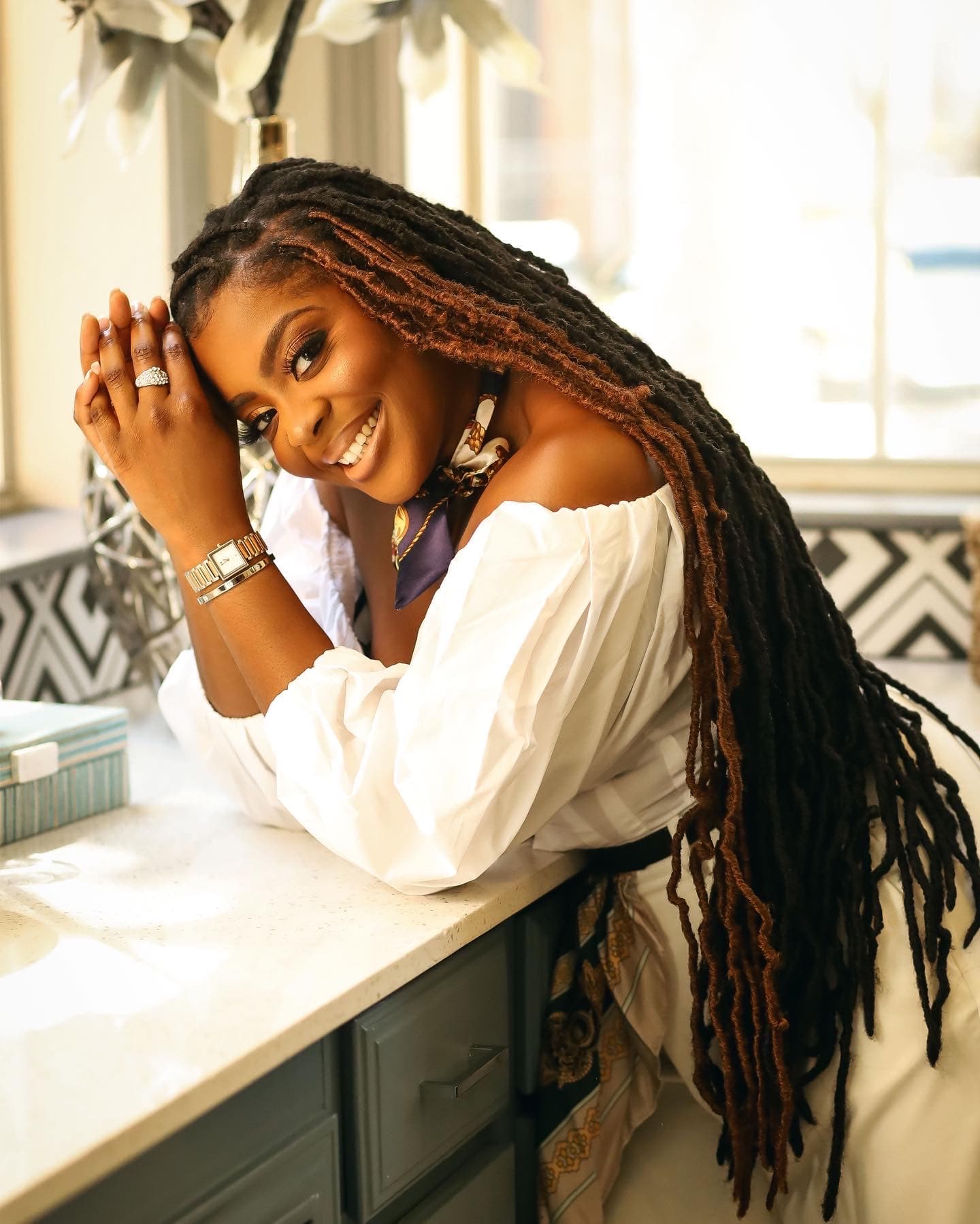
Nancy GLO
Reflective storyteller & style curator for women becoming
Continue Reading
Identity
The series closes with the question it has always been asking: what does it mean to be fully present in your own life — to inhabit it completely, with intention, like you actually mean to be here?
ReadIdentity
A personal letter to the woman who has been reading, who has been doing the work, who is somewhere in the middle of becoming more fully herself.
Read