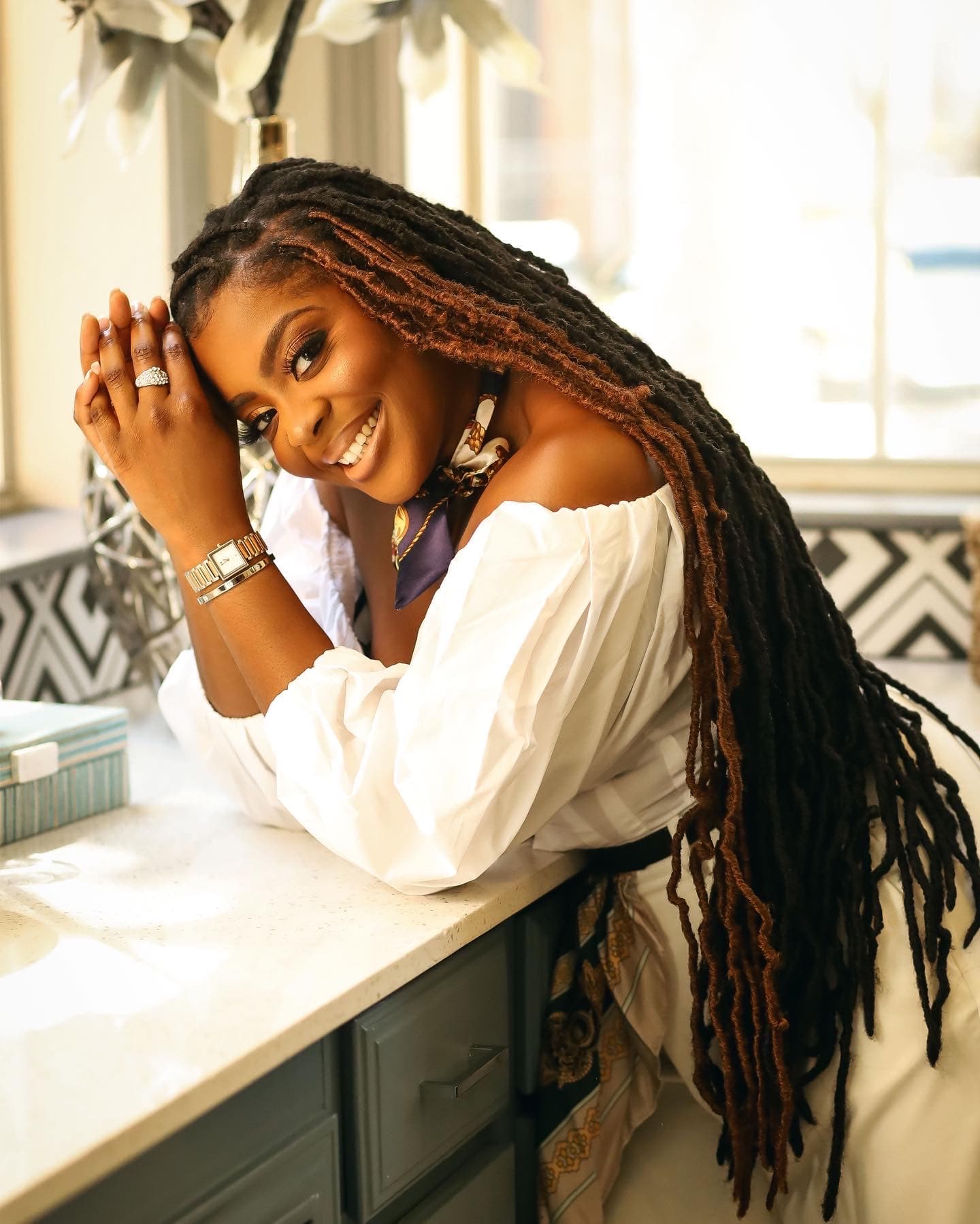
There is a moment at every Nigerian wedding — you have seen it — where the tribe walks in and the entire room shifts. Heads turn. Phones come out. The colour moves through the space like a living thing. That moment is not accidental. It is the result of a decision that someone made weeks or months before, usually under pressure, often without enough information.
The Asoebi colour choice is one of the most consequential decisions in Nigerian event planning, and it is frequently treated as an afterthought — something selected because it is trending, because it matched the hall décor, or simply because someone liked it. But when you are dressing twenty, forty, sometimes a hundred women across a wide range of complexions, that single colour has to do a great deal of work. It has to honour the occasion, hold together on camera, and — crucially — make every single woman wearing it feel radiant.
That is a high standard. Here is how to meet it.
What the Camera Sees That Your Eye Misses
The relationship between colour and photography is not intuitive. A shade that looks rich and jewel-toned in fabric form can wash out entirely under flash or midday sun. Equally, a colour you dismissed as "too bright" in the shop can translate as warm and luminous in a photograph.
Highly saturated colours — deep burgundy, forest green, cobalt blue, burnt orange — tend to photograph with depth and vibrancy across a range of lighting conditions. They hold their presence both in natural light and under the artificial brightness of an event hall. If your event will run from afternoon into the evening, this matters enormously.
Pastels and blush tones are beautiful in person, but they demand careful management. In strong sunlight they can look washed out, and against very fair or very deep skin tones they can flatten rather than illuminate. If you are drawn to soft tones, they work best when the fabric itself has texture — lace, organza, jacquard — something that catches light and creates dimension in a photograph even when the colour is gentle.
White and ivory are the exception to most rules. They photograph with drama and contrast at almost every skin tone, but they carry their own logistical weight — they mark easily, they demand a certain confidence in the wearer, and on a long event day, they rarely stay pristine.
Skin Tone Is the Starting Point, Not the Whole Conversation
When I work with clients on Asoebi coordination, I hear the same concern repeatedly: "We have girls with very different complexions. How do we find one colour that works for everyone?" The honest answer is that no single colour is universally flattering — but certain colours are far more forgiving across a spectrum of skin tones than others.
Deep, warm tones — think terracotta, rust, deep gold, wine, and olive green — work beautifully across dark, medium, and olive complexions. They share undertones with the natural warmth in melanin-rich skin, so rather than competing with a woman's complexion, they extend it.
Jewel tones like emerald, royal blue, and deep plum are similarly versatile. They have enough depth to complement very deep skin without disappearing, and enough cool brightness to work on lighter skin without overwhelming it. For a large group with significant variation in complexion, a jewel tone is often the most reliable choice.
What I would be more cautious with: neon shades, very pale yellows, and certain shades of nude or beige. These tend to read differently — sometimes unfairly — depending on skin tone, and they rarely offer the same photographic cohesion as deeper or more saturated colours.
It is also worth considering the undertone of the colour itself. Warm undertones (yellow, orange, red) generally harmonise with warm-toned skin. Cool undertones (blue, purple, grey) sit well on cooler complexions. But do not let this become a rigid rule — the best decision always comes from holding the fabric up and looking at it honestly.
The Practical Decision Most People Skip
Before you commit to an Asoebi colour, test it. Order swatches if you can — most fabric vendors and Asoebi coordinators will facilitate this. Then do something simple: photograph those swatches in different lighting conditions. Natural afternoon light. Indoor fluorescent. Evening warm light. Look at what survives the transition. Look at what flatters.
If you have access to a few women from your tribe with different complexions, ask them to hold the swatch near their face and photograph it. This is not overthinking — this is the difference between an Asoebi moment that is truly memorable and one that, when you return to the photographs years later, you quietly wish had been handled differently.
The tribe look is a gift you are giving to every woman who will wear it. It deserves the same attention you would give to any other element of the occasion.
If you're coordinating an upcoming event or looking for support with your guest look, explore GLO Styles — I work directly with hosts and guests to make the colour decision with confidence, not guesswork.