Wardrobe & Transitions
When Getting Dressed Becomes an Act of Self-Respect
Getting dressed is rarely just about clothes. For many of us, it's where self-neglect quietly lives — and where self-respect can quietly begin again.
ReadWardrobe & Transitions
There is a particular kind of discomfort that arrives when you open your wardrobe and nothing feels like yours anymore. The clothes are there. You bought them. But the woman who chose them — she has moved on, and you are standing in the gap between who you were and who you are still becoming.
That gap is not a problem to be solved quickly. It is, if you let it be, one of the most honest invitations your life will offer you.
Major life changes — a relationship ending, a relocation, a career pivot, a loss, a new beginning — do not only rearrange your circumstances. They rearrange you. And your wardrobe, which has always been a quiet archive of the woman you were, suddenly has to reckon with a woman it doesn't fully recognise yet.
This is where most women make the mistake of rushing.
The instinct after a seismic shift is to go shopping. A new chapter deserves new things. And yes — that is true. But there is work to do before you spend a single pound.
Start with what is already there. Go through your wardrobe not as an editor, but as an archaeologist. Hold each piece and ask yourself honestly: Who was I when I wore this? Some items will carry warmth — those stay. Others will feel like costumes from a life you are no longer performing. Those can go.
There is grief in this process sometimes, and that is allowed. A blazer worn to a job you no longer hold. A dress chosen to please someone who is no longer in your life. Releasing these things is not trivial — it is part of the transition itself.
Do not try to be ruthless. Be honest instead. Ruthlessness is about speed; honesty is about clarity. And clarity is what a rebuilding wardrobe needs most.
When we go through a significant change, there is a temptation to dress aspirationally — to buy for a future version of ourselves as a way of skipping past the discomfort of the present one. I understand that impulse. I have lived it.
But a wardrobe built entirely on aspiration has no foundation. It floats. And when you are already navigating uncertainty, the last thing you need is to open your wardrobe and feel like a stranger in your own clothes.
Instead, I invite you to dress the woman you are in this exact season. Not the woman you were two years ago. Not the woman you imagine you will be once everything settles. This woman — the one in transition, the one still figuring things out — she deserves to be dressed with as much care and intention as anyone.
What does she need? Perhaps comfort that does not sacrifice dignity. Perhaps pieces that travel between her new contexts with ease. Perhaps colours that feel alive rather than muted — or the reverse. Only she knows. And the only way to find out is to slow down enough to ask.
Start small and build deliberately. A handful of pieces that feel genuinely right is worth more than a full wardrobe of things that almost work. There is no virtue in having a lot of clothes. There is great value in having the right ones.
A wardrobe built after a life change is never just about style. It is a statement — quiet, personal, made mostly for yourself — about who you are choosing to be now that you have been given the rare opportunity of a fresh start.
This is why I always say that rebuilding a wardrobe is an act of self-definition, not self-decoration. The women I work with who do this well are the ones who take that seriously. They do not chase trends. They ask questions. They sit with uncertainty rather than shopping their way out of it.
They consider: What do I want to feel when I get dressed in the morning? What impression do I want to make — on others, yes, but more importantly on myself? What parts of who I have always been am I keeping, and what am I finally willing to let go?
Those questions are not always easy to answer alone. Sometimes you need a structure, a space, and a considered eye to help you see yourself clearly — to translate the inner shift into an outer language.
If you're ready to step into a more intentional relationship with how you dress, explore Nancy's styling services — because rebuilding your wardrobe after a life change deserves more than a shopping trip. It deserves a thoughtful beginning.
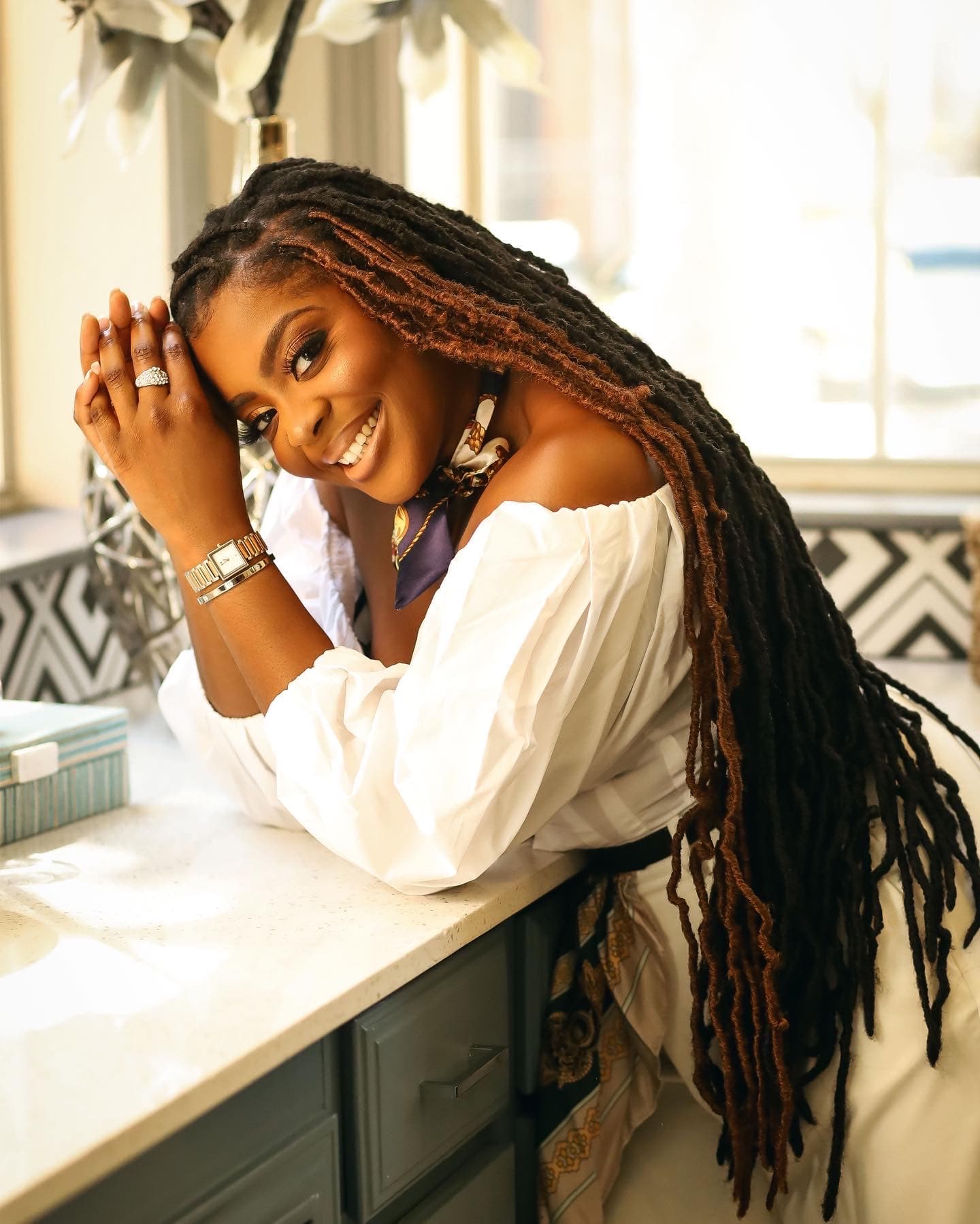
Nancy GLO
Reflective storyteller & style curator for women becoming
Continue Reading
Wardrobe & Transitions
Getting dressed is rarely just about clothes. For many of us, it's where self-neglect quietly lives — and where self-respect can quietly begin again.
ReadWardrobe & Transitions
Building a capsule wardrobe isn't about owning less — it's about choosing more deliberately. Here's how to create a working wardrobe that actually works for you.
Read