Identity
What It Means to Live Like You Mean It
The series closes with the question it has always been asking: what does it mean to be fully present in your own life — to inhabit it completely, with intention, like you actually mean to be here?
ReadIf you grew up in a Nigerian household, you know that hair was never just hair. It was Saturday mornings and the smell of hair grease and someone's hands braiding tightly. It was the negotiation before school photos, before family occasions, before travelling abroad. It was carrying something cultural in a world that did not always recognise its value.
For Nigerian and Black women, hair has always been a site of cultural identity, political significance, and personal expression — and the particular negotiations that women of African descent have been required to make between their natural selves and the spaces they inhabit. This conversation has been ongoing for generations. Each of us eventually encounters our own version of it: what does my relationship with my own hair mean, and who does it actually serve?
The natural hair movement — the deliberate choice to wear unprocessed hair — carries real significance for Black and Nigerian women, in part because it pushes back against a message that has been delivered for a long time: that natural African hair is inherently less professional, less acceptable, less beautiful than straightened or processed alternatives.
This message has come through explicit channels — workplace policies prohibiting certain hairstyles, school rules about "neat" hair — and implicit ones: the relative invisibility of natural Black hair in mainstream beauty, the pressure to process before certain events or contexts. It is not imagined. It is a real feature of the environments many Nigerian women navigate.
Choosing not to comply — whether through natural hair, protective styles, or traditional styling — is a form of cultural self-assertion. A quiet statement that says: my hair, as it grows from my head, is not a problem requiring management. It is an expression of who I am.
Nigerian hair styling traditions are extraordinarily rich. Different ethnic groups carry distinct traditions that hold cultural significance well beyond appearance.
The intricate braiding patterns of Yoruba culture — worn at significant occasions, designed in patterns that communicate status, celebration, or belonging. Threading styles, which create dramatic sculptural effects and have been practised across generations. The particular styling of hair for traditional ceremonies — bridal headpieces, festival styles, styles that mark life stages and communicate meaning without words.
These are not simply aesthetic choices. They are the living transmission of cultural knowledge, often passed from mother to daughter, carrying significance that a Western beauty framework was never designed to hold. The Nigerian woman who wears traditional styles in contemporary contexts is doing something that matters: maintaining a thread of connection to her heritage, in the middle of a life that can pull in many other directions.
Outside of the cultural and political, hair is also deeply, simply personal — and that dimension matters just as much.
What does your hair feel like to wear? What care does it require, and what is your honest relationship with that care — is it a burden, a pleasure, or somewhere in between? What styles make you feel most like yourself, when no one is telling you what to choose?
The work of choosing freely — from genuine preference rather than inherited expectation — is at the heart of The Good Girl Delusion. Get the Book
The Nigerian woman who wears her hair natural because that resonates with her, and the one who wears her hair relaxed because that genuinely suits her — both are in right relationship with their hair, as long as the choice comes from genuine preference. The difference lies not in the style but in the source of the decision.
The woman who processes her hair because she has absorbed the message that her natural hair is not acceptable is in a different place. As is the one who keeps her natural hair to make a political point she does not actually feel. Both are choosing from something other than themselves.
For many Nigerian women living between cultures — in Western professional environments, in spaces where natural African hair is still not always understood or welcomed — there is an ongoing negotiation between personal preference, practical navigation, and cultural expression.
There is no single right answer to this negotiation, and anyone who offers you one easily has not lived it. What it requires is honest self-knowledge: clarity about what you actually prefer, what each choice costs you, and what you are willing to pay. The goal is that the choice be genuinely yours — not entirely determined by others' expectations, but not entirely defined by defiance either. You are allowed to hold the full complexity. You are allowed to be both practical and whole.
Related: Femininity on Your Own Terms · What Self-Presentation Communicates · What Fragrance Has to Do With Identity
Your hair is yours — and the choice of how to wear it belongs to you, not to the culture that shaped your insecurity about it. The Good Girl Delusion is the work of making choices that come genuinely from you.
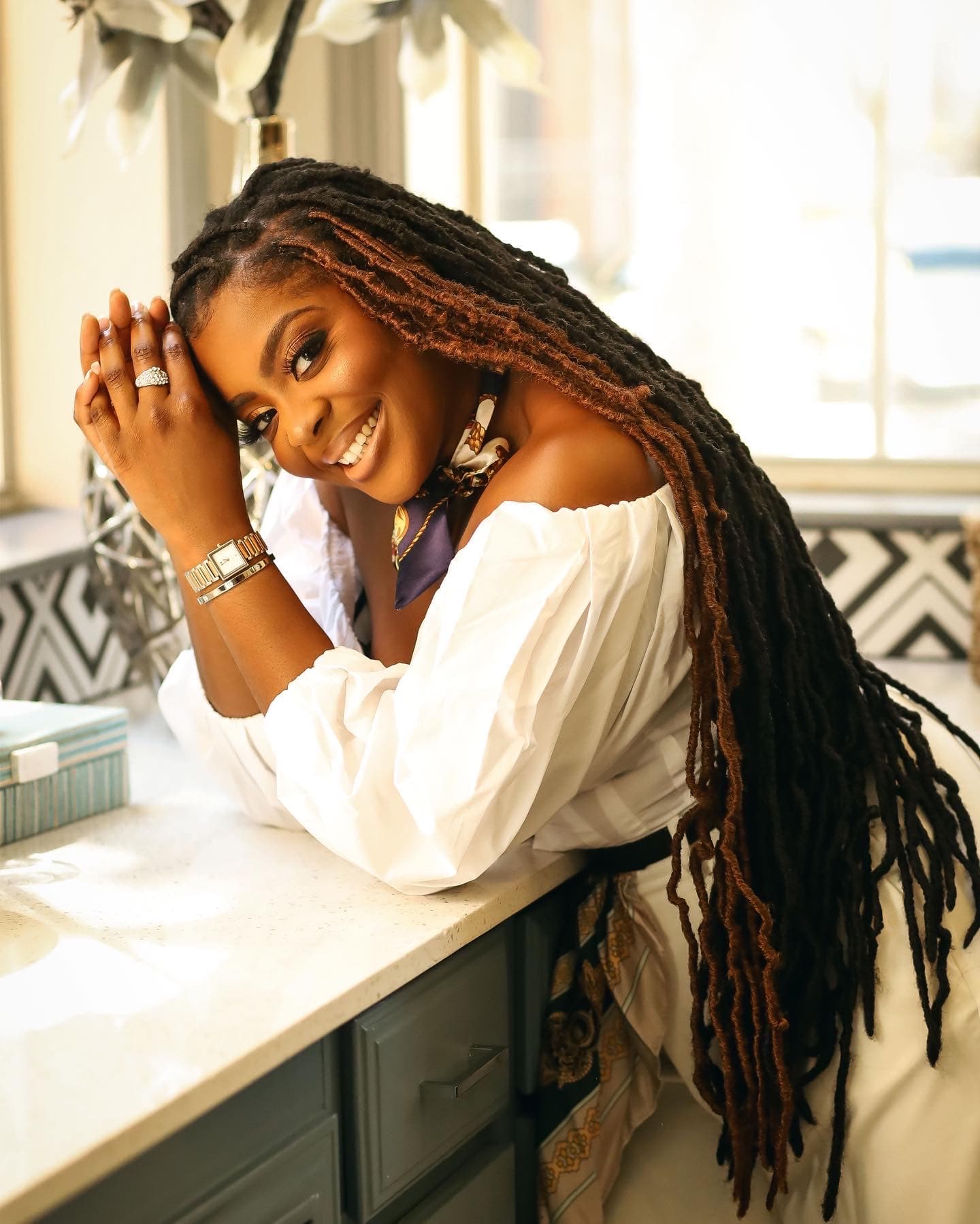
Nancy GLO
Reflective storyteller & style curator for women becoming
Continue Reading
Identity
The series closes with the question it has always been asking: what does it mean to be fully present in your own life — to inhabit it completely, with intention, like you actually mean to be here?
ReadIdentity
A personal letter to the woman who has been reading, who has been doing the work, who is somewhere in the middle of becoming more fully herself.
Read