Identity
What It Means to Live Like You Mean It
The series closes with the question it has always been asking: what does it mean to be fully present in your own life — to inhabit it completely, with intention, like you actually mean to be here?
ReadIdentity
This is the article that is easiest to write badly — either as a wholesale rejection of Nigerian cultural values in favour of Western individualism, or as a defensive minimisation of the real difficulties that Nigerian cultural dynamics create for women trying to develop self-respect and limits.
Neither approach serves the women who need to navigate this genuinely. So I am going to try to hold both the beauty and the difficulty honestly.
Nigerian cultural values around family and community represent genuine wisdom about what makes a good human life.
Communal interdependence is genuinely valuable. The network of mutual obligation — the expectation that family members will support each other through difficulty, that no one navigates major life events alone, that the collective cares for its members — is not primitive. It is one of the things that makes Nigerian family life, at its best, genuinely sustaining.
Respect for elders reflects genuine wisdom. The knowledge and experience that older generations carry is real. A cultural system that values it and transmits it through relational deference has access to something that hyper-individualist cultures lose when they discard the elderly's authority.
The community as context for the individual is not a mistake. The Western emphasis on radical individual autonomy — the self as the sole author and audience of its own life — produces specific forms of loneliness and disconnection that collectivist cultures have real resources to address.
Alongside these genuine goods, specific dynamics in many Nigerian families and cultural contexts create consistent difficulties for women developing self-respect and limits:
The hierarchy of obligation can be deployed to prevent any limit-setting. The legitimate reality that we have genuine obligations to our families and communities becomes, in some family systems, an infinitely extendable claim on women's time, labour, emotional energy, and self-determination.
Women's individual needs are structurally de-prioritised. In many Nigerian family systems, women's needs — particularly daughters', wives', and daughters-in-law's — are consistently treated as less legitimate than men's and less legitimate than the collective. This is not the inevitable expression of communal values; it is a specific patriarchal structure operating within those values.
The "strong Black woman" or "resilient African woman" archetype. The specific expectation of strength, endurance, and the non-display of need or suffering that is placed on Nigerian and African women produces a cultural environment in which admitting to limits feels like a failure of identity.
Family opinions about women's lives as normative. The expectation that family members have legitimate authority over women's choices in ways they do not have authority over men's — in marriage, career, finances, living arrangements — is a specific gender asymmetry within communal values.
The answer is not to reject Nigerian cultural values or to adopt a Western individualist framework wholesale. It is to discern clearly:
Which aspects of communal obligation reflect genuine ethical responsibility — the care for aging parents, the genuine support of family in difficulty, the maintenance of meaningful cultural practices — and which aspects have been inflated, by patriarchal or family-specific dynamics, into the unlimited availability of women's lives to others' demands?
This discernment is not simple or quick. It is also not optional, if a woman wants to live a life that is both genuinely herself and genuinely connected to the community and tradition she loves.
The Good Girl Delusion explores the roots of these patterns honestly and offers a real path through. Read The Good Girl Delusion →
Related: The Complete Boundaries Guide · Boundaries With Family · The Difference Between Selfishness and Self-Respect
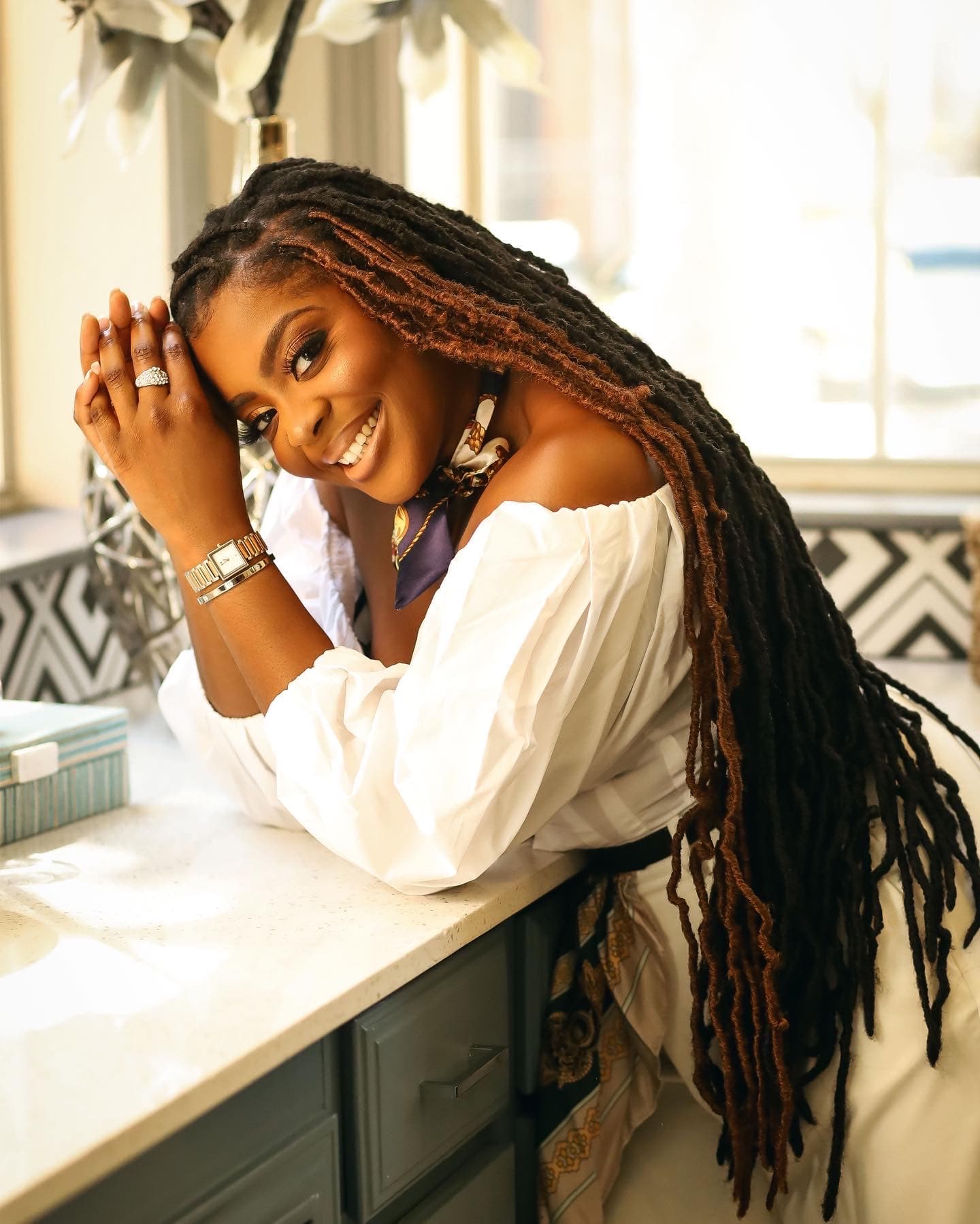
Nancy GLO
Reflective storyteller & style curator for women becoming
Continue Reading
Identity
The series closes with the question it has always been asking: what does it mean to be fully present in your own life — to inhabit it completely, with intention, like you actually mean to be here?
ReadIdentity
A personal letter to the woman who has been reading, who has been doing the work, who is somewhere in the middle of becoming more fully herself.
Read