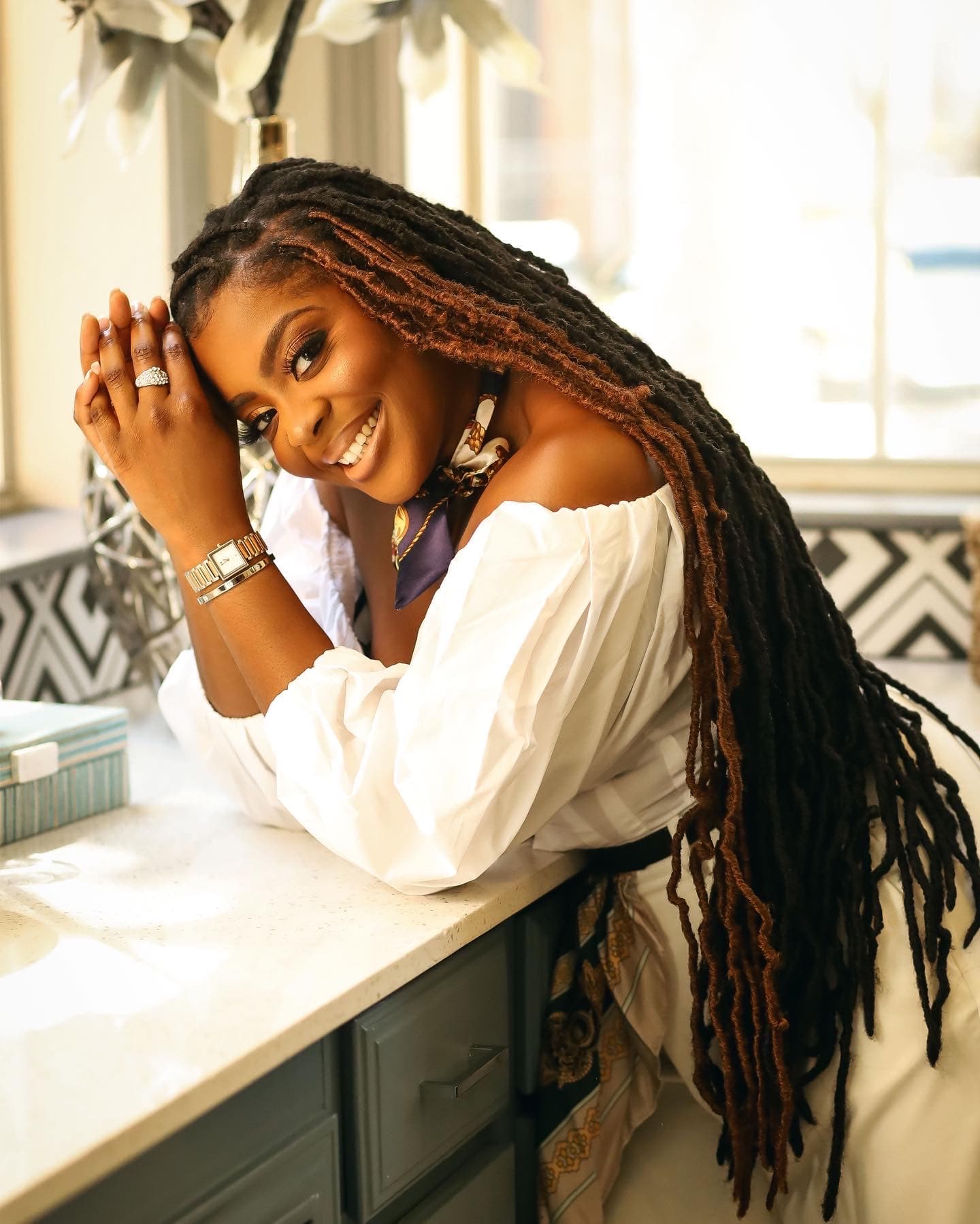
Minimalist Style for Women: The Art of Looking Effortlessly Elegant
There is a version of minimalist style that is austere, cold, and joyless — a performative rejection of everything feminine and decorative. That is not what this guide is about.
The minimalism I want to talk about is something warmer and more considered: the art of having less in order to wear everything you have. Of choosing with enough care that nothing in your wardrobe is wasted. Of letting quality, fit, and a quiet coherence do the work that noise and accumulation never quite manage.
Done well, minimalist style is deeply elegant. It is also deeply personal — because when you remove the excess, what remains is entirely, unmistakably you.
What Minimalist Style Actually Means
Minimalist style is defined by intentional reduction and thoughtful selection. It is characterised by:
- A restrained colour palette (often neutral, with strategic accents)
- Clean, simple silhouettes without excessive embellishment
- High-quality fabrics that carry without structure
- A small, functional wardrobe where everything is worn
- Visual calm rather than visual noise
It is not about:
- Owning only ten items
- Never wearing colour or print
- Suppressing personality for the sake of simplicity
- Denying yourself beauty or joy
Minimalism in fashion is a tool for clarity — for ensuring that your wardrobe serves you with as little friction as possible.
Building a Minimalist Wardrobe: The Foundation
A minimalist wardrobe is built around three layers:
Layer 1: The foundation pieces
These are your workhorses — the things you reach for most days. In minimalist dressing, they tend to be simple and versatile:
- A white or ivory shirt (the definitive minimalist wardrobe piece)
- Well-fitting trousers in a neutral — black, navy, camel, or cream
- A simple fitted dress or skirt that works across occasions
- A classic knit top or sweater in a neutral tone
- A structured blazer
Layer 2: The quality elevators
These pieces do not appear in every outfit, but when they do, they raise everything around them:
- A beautiful coat (this is often worth the most significant investment)
- An elegant shoe in a neutral — a pointed flat, a simple heel
- A quality bag that works for daily use
- One or two pieces of jewellery you wear consistently
Layer 3: The personality pieces
Even within a minimal framework, you can — and should — include pieces that are genuinely you. A wrap dress in a beautiful print. A pair of earrings with cultural significance. A scarf you have loved for years.
The difference between minimalism and blandness is the personality layer. It should be small and carefully chosen.
The Colour Palette of Minimalist Style
Minimalist style tends to work from a restrained palette:
Neutrals as anchors: Ivory, cream, white, black, camel, chocolate, navy, stone, greige. These form the majority of the wardrobe.
One or two accent colours: Chosen deliberately — perhaps a warm rust, a deep burgundy, a forest green. These appear in a small number of pieces and in accessories.
Tonal dressing: One of the most elegant minimalist techniques — wearing different shades of the same colour family together. Cream, sand, and camel in one outfit. Slate, steel, and navy in another.
The restraint of the palette is not a limitation. It is what makes everything combinable, and it is what creates the clean visual impression that minimalist style is known for.
The Role of Quality in Minimalist Dressing
In minimalist style, quality is not optional. When you have fewer pieces, each one is more visible and carries more weight. A poorly made minimalist wardrobe looks cheap, because there is nothing else to distract from it.
What to invest in:
- Fabric: Natural fibres — cotton, linen, silk, wool, cashmere — tend to photograph better, drape better, and age better than synthetic alternatives.
- Construction: Seams that lie flat, finishes that hold, buttons that do not pop.
- Fit: As always, a well-fitting garment in simple fabric is superior to an expensive garment that does not fit.
You do not need to spend enormously. You need to choose carefully — and to resist the volume impulse that makes us buy more at a lower price when buying less at a better price would serve us better.
Minimalism and Cultural Dress
A brief but important note: minimalist style as typically described in Western fashion contexts can feel at odds with the richness and exuberance of African and Nigerian traditional dressing.
These are not incompatible.
The principles of minimalism — intentional selection, restraint from excess, quality over quantity — can be applied within cultural dressing. A curated traditional wardrobe, built with the same intentionality as a minimalist Western one, is minimalist in spirit even when it is not in aesthetic. The woman who owns three exceptional traditional pieces she wears with deep pride is practising minimalism, even in full gele and lace.
Minimalism is a philosophy, not an aesthetic prescription. Apply it to whatever your wardrobe should be.
Frequently Asked Questions
Is minimalism the same as capsule wardrobe?
Related but not identical. A capsule wardrobe is a specific strategy for building a small, functional wardrobe. Minimalist style is a broader aesthetic. Most capsule wardrobe practitioners dress minimally. Not all minimalists work from a formal capsule framework.
Can minimalism be colourful?
Yes, but with restraint. A colour-forward minimalist wardrobe might use only three or four colours — but uses them deliberately and consistently. The minimal element is in the number of competing elements, not in the exclusion of colour itself.
Won't people notice I wear the same things?
Only if they are paying close attention — and if they are, it usually reads as confidence and intentionality rather than lack of options. The most stylish people are often the most consistent.
Related: The Capsule Wardrobe Guide for Women · How to Look Expensive on a Budget · Quiet Luxury Aesthetic Guide