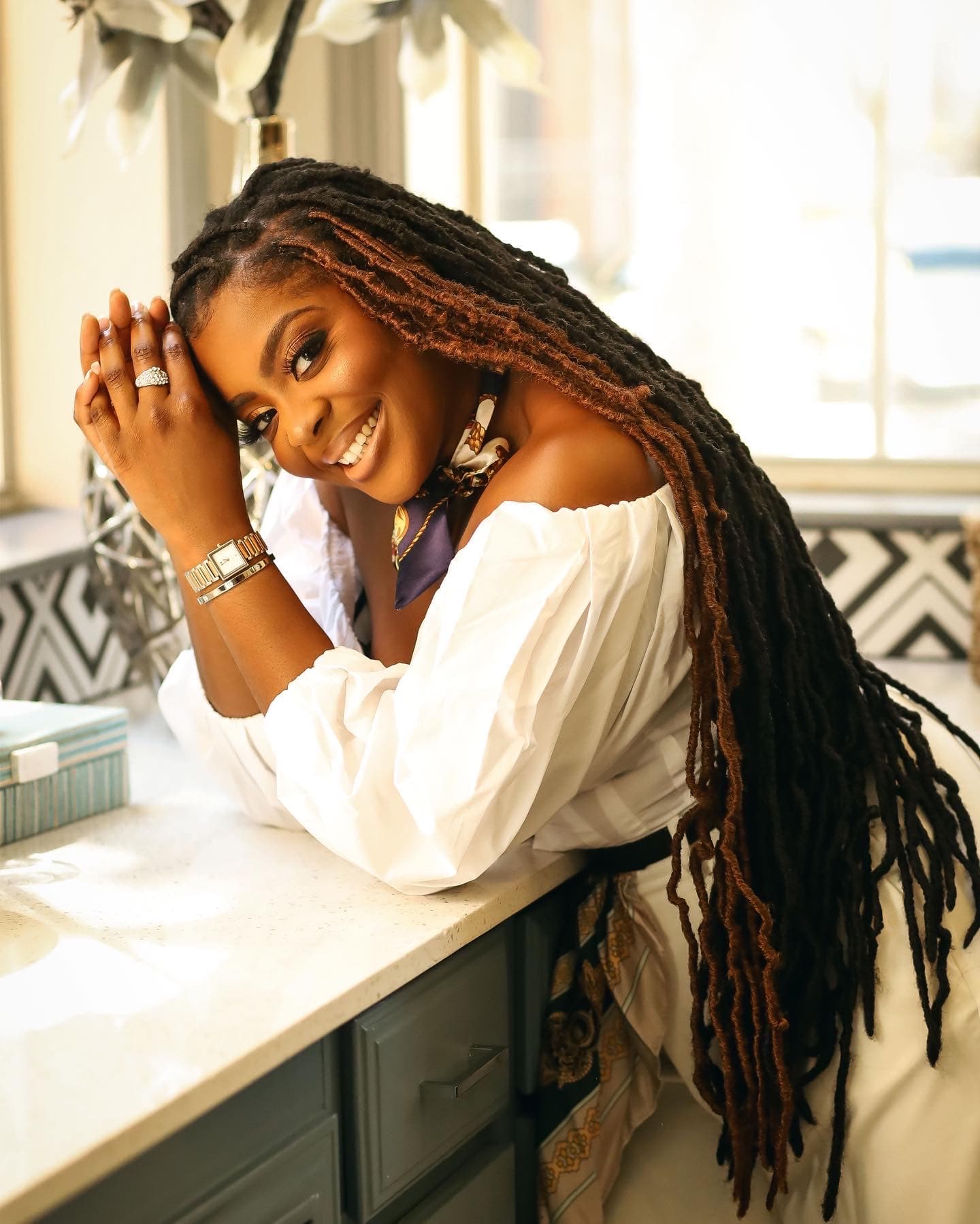
There is a particular kind of unsettling that arrives quietly in your 30s. Not dramatically — no single moment you can point to. Just a slow, creeping awareness that the woman you carefully constructed in your 20s no longer fits the way she used to. Like a dress you loved. Still beautiful. Just no longer yours.
Nobody prepares you for this. The conversation around your 30s tends to focus outward — career milestones, relationships, whether you own property yet. But the internal landscape? That gets far less attention. And so when the identity shift comes, as it almost always does, many women mistake it for something going wrong.
It isn't. But I understand why it feels that way.
The Woman You Built in Your 20s Was Supposed to Be Temporary
In your 20s, identity is often about survival and performance. You figure out who you need to be to be accepted, to be taken seriously, to feel safe. For many of us — particularly women of the diaspora holding multiple cultural identities at once — that construction is deliberate and exhausting. You learn to modulate. To code-switch. To be enough in rooms that weren't built with you in mind.
And you get good at it. That version of you is competent, polished, capable. She worked hard for her place.
But she was always a starting point, not a destination.
The discomfort of your 30s is often the friction between who you performed yourself to be and who you are actually becoming. The gap between the two can feel like loss. It can look like restlessness, low-grade dissatisfaction, or suddenly finding that relationships and spaces that once felt comfortable now feel stifling.
That isn't dysfunction. That is growth asking for room.
What the Shift Actually Looks Like
Identity shifts in your 30s rarely arrive with clarity. They tend to look like confusion first.
You might find yourself less tolerant of conversations that used to feel normal. Less willing to shrink. More honest — sometimes to your own surprise — about what you want and what you no longer have the energy to pretend you're fine with. Old friendships may begin to strain under the weight of who you're becoming. New desires might surface that feel unfamiliar, even inconvenient.
I remember sitting in a meeting I had worked for years to be invited into, and feeling nothing but a quiet, unsettling question: Is this still what I want?
That question frightened me. Because so much had been built around the answer being yes.
But the question wasn't a sign of ingratitude or instability. It was the first honest thing I had asked myself in a long time.
The shift also shows up in the body. In how you dress, how you carry yourself, what you find yourself drawn to. Style is rarely just aesthetic — it is identity made visible. When women come to me at this stage, it is often because they are standing in a wardrobe full of clothes that belong to a version of them that no longer exists. They are not looking for new outfits. They are looking for permission to become someone new.
How to Move Through It Without Abandoning Yourself
The instinct, when things feel unfamiliar, is to reach for something solid. To rush back to certainty. But the most useful thing I have learned about identity shifts — and the most difficult — is that you have to let the old structure soften before you can build something truer.
This means resisting the urge to resolve the discomfort too quickly. Sit with the questions longer than feels comfortable. Notice what you keep returning to when nobody is watching, when there is nothing to perform. Those quiet recurring things are almost always telling you something important.
It also means being honest about what you have been carrying that was never really yours to carry. Some of the identities we wear into our 30s were assigned to us — by family, by culture, by circumstance. Daughterhood. Resilience. Being the strong one. Being the one who manages. Some of those identities hold real meaning. Others have simply become habits masquerading as character.
Distinguishing between them is not a betrayal of where you come from. It is the work.
And it is work worth doing. Because the woman who emerges on the other side of an honest identity shift is not a stranger. She is, usually, more recognisably you than any version that came before.
There is no tidy endpoint to this. Identity continues to move, to evolve, to ask new questions. But there is a quality of settledness that becomes possible once you stop performing and start choosing — consciously, deliberately — who you are and how you show up.