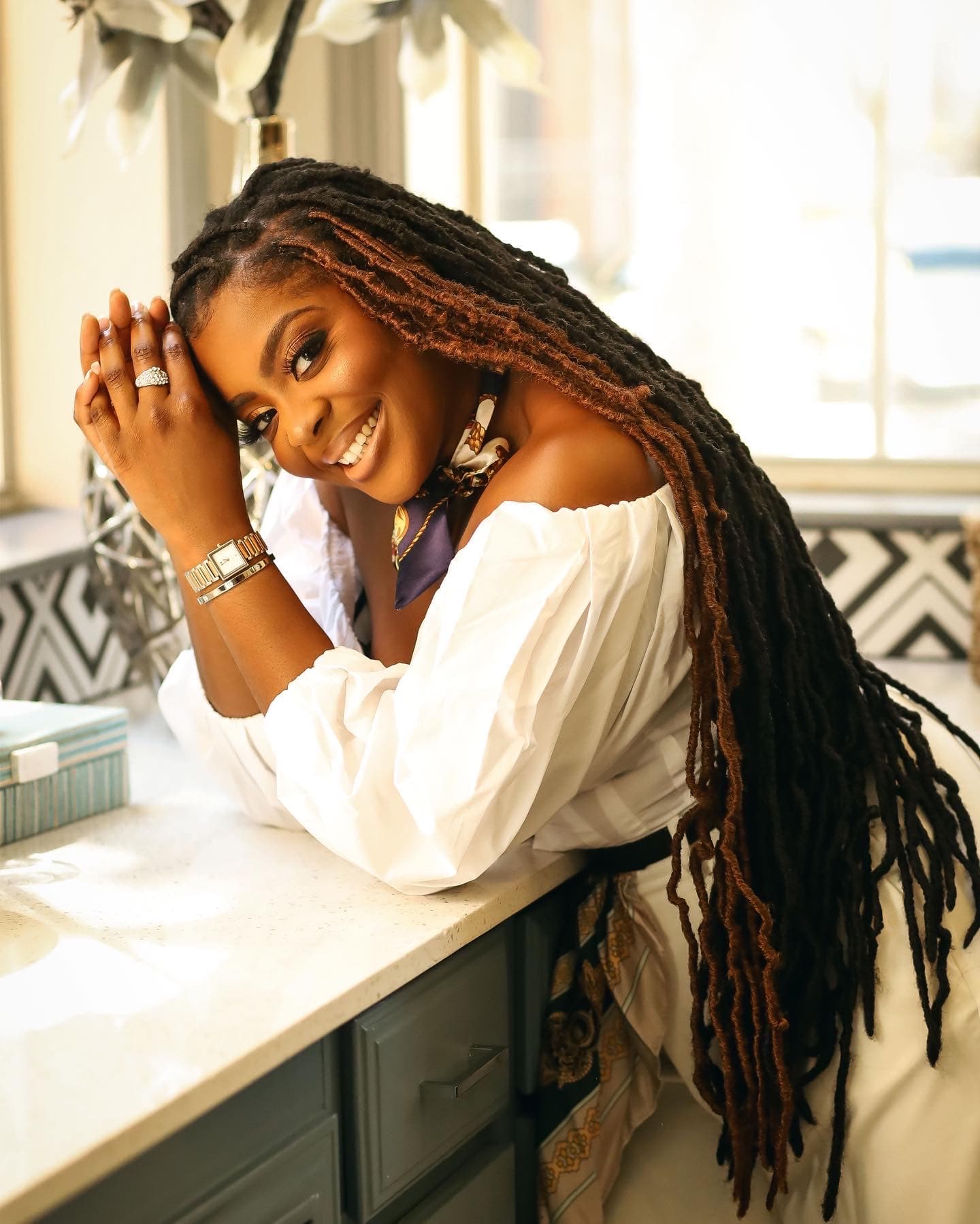
Principle 1: A Smaller, Better Wardrobe Does More Work
The paradox of the overwhelming wardrobe is real. More clothes does not mean more options — it means more decisions, more confusion, and more mornings standing in front of a full rail feeling like you have nothing to wear.
The woman who consistently looks put together tends to have a smaller, more edited wardrobe where nearly everything works together. She is not sifting through things she never wears or half-forgotten impulse purchases. She is choosing from a curated collection of things she loves and that fit her life.
The first step to looking put together daily is removing everything from your wardrobe that is not actively serving you.
Related: How to Do a Wardrobe Detox That You Won't Regret
Principle 2: Outfit Formulas Are Your Best Friend
An outfit formula is a reliable combination structure that you can fill in with different pieces each day. Think of it as the architecture of an outfit, not the specific garments.
Some examples:
- Formula A: Tailored trouser + silk or polished top + one elegant accessory
- Formula B: Fitted dress + clean shoes + structured bag
- Formula C: Wide-leg jean + tucked shirt + belt + simple jewellery
- Formula D: Monochromatic outfit in one or two tones with a textured layer
When you have three to five formulas that reliably work for your most common occasions, getting dressed becomes a matter of executing a formula rather than creating from scratch. On low-inspiration mornings, this is invaluable.
Principle 3: The Finishing Touches Do the Most Work
The difference between an outfit that looks casually thrown together and one that looks intentionally styled is almost always in the finishing details.
What finishes an outfit:
-
Hair that is done — not necessarily elaborate, but intentional. A neat bun, a defined blowout, a clean natural style all communicate that you were paying attention.
-
Skin that is cared for — moisturised, perhaps with a simple base. You do not need a full face of makeup to look put together, but skin that looks healthy and tended to adds significantly.
-
Shoes that are clean and in good condition. A scuffed shoe can undermine an otherwise excellent outfit. A clean, well-maintained shoe elevates a simple one.
-
A bag that is appropriate in scale and in good condition. It does not need to be expensive — it needs to not be falling apart.
-
Jewellery or accessories that are deliberate. One or two considered pieces rather than a collection of everything at once.
None of these require significant time or expense. They require the habit of paying attention.
Principle 4: Prepare the Night Before
This single habit has more impact than almost anything else on this list.
When you choose your outfit the night before, you remove the cognitive load from the morning — when time is limited, energy is lower, and the chances of making a rushed, regrettable decision are highest.
Night-before preparation also gives you time to notice problems — a blouse that needs ironing, a missing button, a shoe that needs attention — while you still have time to solve them.
Spend five minutes before bed laying out tomorrow's outfit, including accessories, shoes, and bag. What feels like a small ritual becomes a significant time investment in how you show up the next day.
Principle 5: Fit Is the Non-Negotiable
This bears repeating because it is that important: a well-fitting garment in a simple style looks more put together than an expensive garment in a poor fit.
Clothes that pull across the chest, gap at the waist, bunch at the thighs, or hang from the shoulders looking shapeless do not project polish — regardless of their quality or price.
Find a good local tailor. Even simple alterations — taking in a waist, shortening a hem, adjusting a sleeve — can transform garments you already own. Many women discover, after basic alterations, that they already have everything they need.
Principle 6: Build a Signature Element
Women who always look put together often have a signature — something that consistently identifies their aesthetic and makes their look feel coherent even on simple days.
It might be:
- Always wearing a heel, even with casual clothes
- A signature colour that anchors most of their outfits
- Always having neat, simple nails
- A distinctive piece of jewellery they wear daily
- A signature fragrance that becomes part of their presence
Your signature is not something you have to choose deliberately — it often emerges naturally. But once you notice it, you can lean into it, and it will do consistent work for your overall impression.
Principle 7: Own the Elevated Version of Your Casual
Even the most casual version of your daily dressing can be elevated. This is not about being overdressed — it is about making intentional choices within whatever register you are operating in.
If your daily uniform leans casual, the elevation might be:
- A well-fitted pair of trousers instead of shapeless joggers
- A structured sandal instead of a flat flip-flop
- A clean, minimal bag instead of a battered tote
- A polished version of the natural look
You do not need to dress formally to look put together. You need to dress deliberately — to make choices, even within casual dressing, that reflect that you were paying attention.
Simple Daily Checklist
Before you leave the house, run through this quickly:
- [ ] Does the outfit fit properly everywhere?
- [ ] Is everything clean and in good condition?
- [ ] Do the shoes look cared for?
- [ ] Have I added one considered element — jewellery, belt, scarf — that ties the look together?
- [ ] Is my hair and skin attended to?
This takes thirty seconds. And it will catch the small things that undermine an otherwise good outfit.
Frequently Asked Questions
What if I have very little time in the mornings?
The solution is not more morning time — it is better evening preparation and a simpler wardrobe. With fewer choices and a laid-out outfit, getting dressed can take under ten minutes.
How important is jewellery to looking put together?
It depends on your aesthetic. For some women, jewellery is essential to finishing a look. For others, a minimal or jewellery-free look is their signature. The key is intention — whether you are wearing jewellery or not, it should feel like a choice.
Can I look put together in affordable clothes?
Completely. Fit, cleanliness, and intentionality matter far more than price tags. Some of the most polished women I know shop predominantly at mid-range and affordable retailers. The secret is always the editing, the tailoring, and the attention.
Related: Elevated Everyday Style Guide · How to Look Expensive on a Budget · How to Develop a Signature Style