Wardrobe & Transitions
When Getting Dressed Becomes an Act of Self-Respect
Getting dressed is rarely just about clothes. For many of us, it's where self-neglect quietly lives — and where self-respect can quietly begin again.
ReadWardrobe & Transitions
There is a particular kind of dressing that happens when life is mid-sentence — when you're not quite who you were and not yet who you're becoming. You open the wardrobe and nothing feels right. Not because the clothes are wrong, exactly. But because you are somewhere between versions of yourself, and the clothes haven't caught up.
If you're in a transitional season right now — a new city, a career pivot, a relationship that ended, a chapter closing without warning — and money is also tight, getting dressed can carry a weight it probably shouldn't. But does. I know that weight. And I want to talk about it honestly.
When I work with women who say they can't dress well because they can't afford to, what I usually find underneath that is something more layered. It's not really about money. It's about not knowing who to dress for anymore.
Transition strips away the costumes we wore in our previous life — the office attire, the relationship-era wardrobe, the clothes that belonged to a woman with a different routine. And when those fall away, we can feel exposed. We reach for cheap, fast, disposable pieces not because we love them but because committing to anything feels premature. What if I change again?
Here's what I'd offer: a limited budget doesn't require you to dress without intention. It requires you to dress with more intention. Because when you have less to spend, every choice carries more weight — and that's actually a gift, even when it doesn't feel like one.
One of the most quietly damaging things you can do in a transitional period is defer your own presentation until life settles. I'll invest in my wardrobe once I have the job. Once I've lost the weight. Once I know where I'm living. But the woman who needs to feel grounded and present is the one standing in front of the mirror today — not the future version of her.
So start where you are. Not with shopping — with editing.
Go through what you already own and separate what still feels like you from what belongs to a chapter that's closing. Be honest. Some pieces served a version of you that was real and valid, but that season has passed. Release them. Donate, swap, or sell what no longer belongs. What you're left with is the foundation — and it's likely more than you think.
From there, the question becomes: what does this season actually require? Not your dream wardrobe. Not the life you're building toward. The life you are living right now, with the money you actually have. A good pair of trousers that fits well. A top in a colour that lifts your face. Shoes you can walk in with ease. These are not settling — they are sanity.
There is a quiet art to looking put together on a limited budget, and it has almost nothing to do with price tags. It has everything to do with fit, coherence, and care.
Fit is everything. A well-fitting £15 shirt will always outperform a poorly fitted £80 one. When you're rebuilding a wardrobe on a tight budget, prioritise alterations over quantity. A tailor can transform a second-hand find into something that looks considered and intentional — and basic alterations are far more affordable than most women realise.
Coherence matters more than variety. Rather than buying many different things that don't speak to each other, choose pieces that can move across multiple occasions. A structured linen shirt works on a Zoom call, at a weekend market, and at a low-key dinner. Versatility is not boring — it's intelligent.
And care — the way you maintain, press, store, and wear your clothes — communicates something that money cannot buy. A crumpled expensive piece looks careless. A pressed, well-maintained basic looks considered. This is the part of dressing well that has always been free.
Transitional seasons have a way of teaching us things about ourselves that comfort never would. When you cannot hide behind a full wardrobe or a generous budget, you have to get honest about what you actually value, what actually makes you feel like yourself, and what you were only wearing out of habit or performance. That clarity — uncomfortable as it arrives — is worth something.
Dressing well during a transitional season is not about managing appearances. It is about refusing to disappear while your life rearranges itself. It is about showing up for yourself, with what you have, as the woman you are right now — not the woman you'll be when everything is sorted.
If you're ready to step into a more intentional relationship with how you dress — wherever you are in your journey — explore Nancy's styling services.
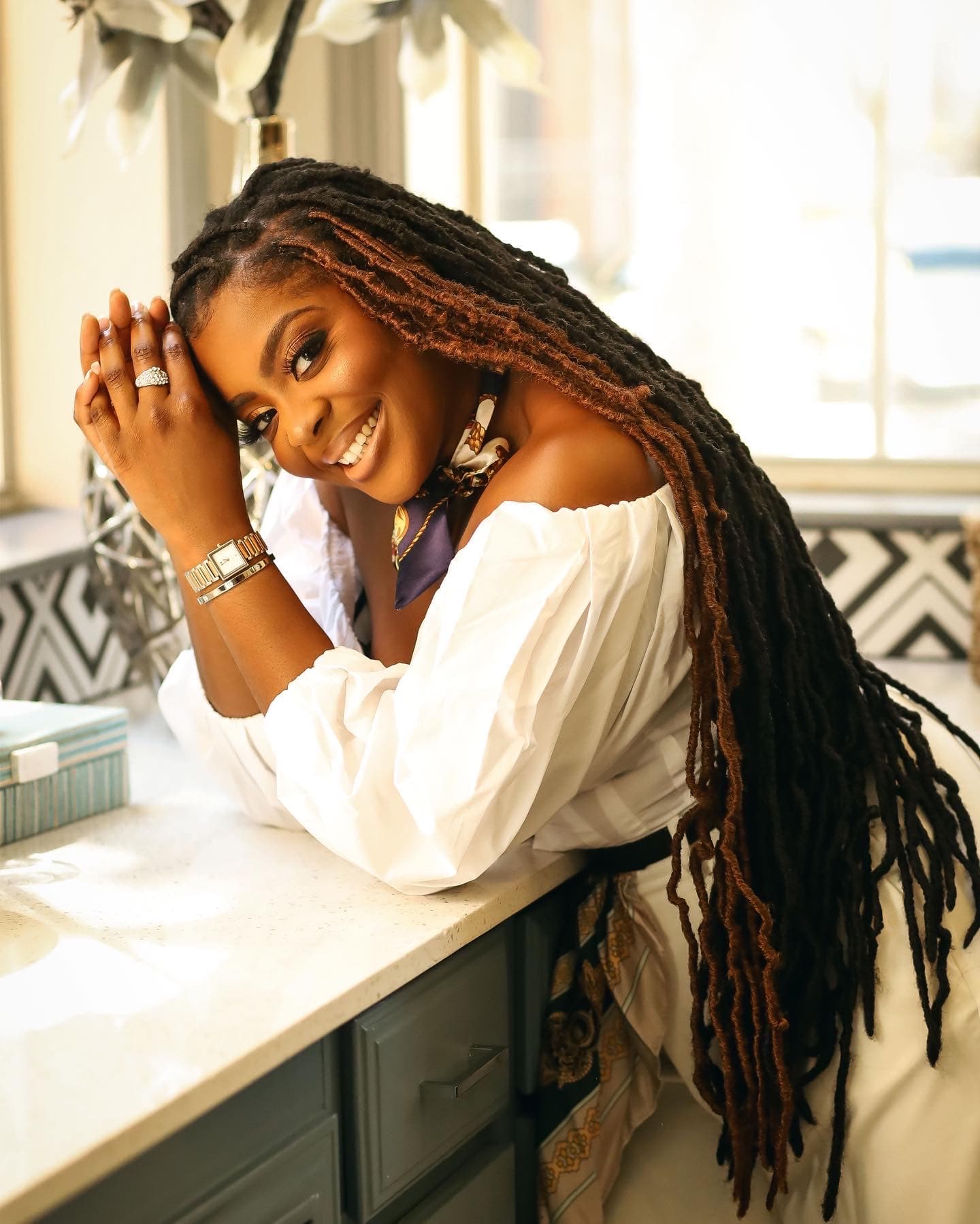
Nancy GLO
Reflective storyteller & style curator for women becoming
Continue Reading
Wardrobe & Transitions
Getting dressed is rarely just about clothes. For many of us, it's where self-neglect quietly lives — and where self-respect can quietly begin again.
ReadWardrobe & Transitions
Building a capsule wardrobe isn't about owning less — it's about choosing more deliberately. Here's how to create a working wardrobe that actually works for you.
Read