Wardrobe & Transitions
When Getting Dressed Becomes an Act of Self-Respect
Getting dressed is rarely just about clothes. For many of us, it's where self-neglect quietly lives — and where self-respect can quietly begin again.
ReadWardrobe & Transitions
There is a particular kind of discomfort that arrives when your wardrobe no longer matches your life — but your bank account does not yet have the space to do anything about it.
Maybe you left a job and the corporate armour no longer fits who you are trying to be. Maybe you moved, ended something, began something, or simply woke up one day and realised the woman looking back at you in the mirror had quietly outgrown everything hanging in her wardrobe. And now, in the middle of all that shifting, you are supposed to get dressed.
It is an understated pressure. But it is a real one.
I want to talk about it honestly — because dressing well on a budget during a transitional season is not just a practical challenge. It is an emotional one. And pretending otherwise would not serve you.
When resources are limited, the instinct is often to stop investing in how you look altogether. To tell yourself: I'll sort my wardrobe out once things are stable. Once I've lost the weight. Once I've figured out where I'm going. Once things calm down.
But here is what I have come to understand — stability rarely arrives before you decide to show up for yourself. You do not wait to feel like yourself before you get dressed. You dress in a way that helps you feel like yourself. The two are more connected than we acknowledge.
The other common mistake is panic-buying. When you finally allow yourself to spend, you do it impulsively — chasing a feeling, not a wardrobe. You buy things that do not connect to each other, that do not fit your current life, and that feel exciting in the shop and hollow at home. This is how wardrobes become full and women still feel like they have nothing to wear.
Neither of those approaches is the answer.
The most powerful thing you can do in a transitional season is get honest about who you are right now — not who you were, and not who you are hoping to become in six months. Right now. Today.
What does your actual life require of you? Where are you going? How do you want to feel when you walk into those spaces?
From that place of honesty, you do not need much. You need a few pieces that fit your body well — as it is today, not as it was or might be — that can move through different parts of your life without forcing you to become invisible in any of them.
Before you spend anything, go through what you already own with fresh eyes. Not sentimental ones. Ask yourself: does this still fit? Does it still fit this version of me? If the answer is no to either, release it — even if it was expensive, even if it tells a story about who you used to be. A wardrobe that holds too much of the past makes it harder to step into anything new.
Then identify the gaps — not the wants, the genuine gaps. The pieces that are missing because of where your life is right now. A transitional wardrobe does not need to be extensive. It needs to be coherent.
Dressing well on a limited budget is a discipline, not a deprivation. It requires that you slow down rather than speed up.
Charity shops, depop, and curated resale platforms are not compromise options. They are how some of the most well-dressed women I know build their wardrobes. The key is knowing what you are looking for before you look. When you walk into a space without intention, you leave with things that made sense in the moment and nothing that truly works together.
Invest your limited pounds in the pieces that are always visible — outerwear, shoes, one or two well-fitting basics in neutral tones that anchor everything else. These are the things that determine the impression a look makes, long before anyone registers the details beneath them.
And be patient with yourself. A wardrobe that works is built over time, not assembled in one afternoon. In a transitional season, you do not need to have everything figured out. You just need enough to move through your days with a sense of dignity — and that threshold is lower than you think.
What you wear during a difficult season is not trivial. It is one of the few things that is entirely within your control when so much else is not. Use it. Not to perform a life you do not yet have, but to honour the woman who is still here, still showing up, still becoming.
If you're ready to step into a more intentional relationship with how you dress — particularly during seasons of change — explore Nancy's styling services and find out how we can work together to build a wardrobe that reflects where you actually are.
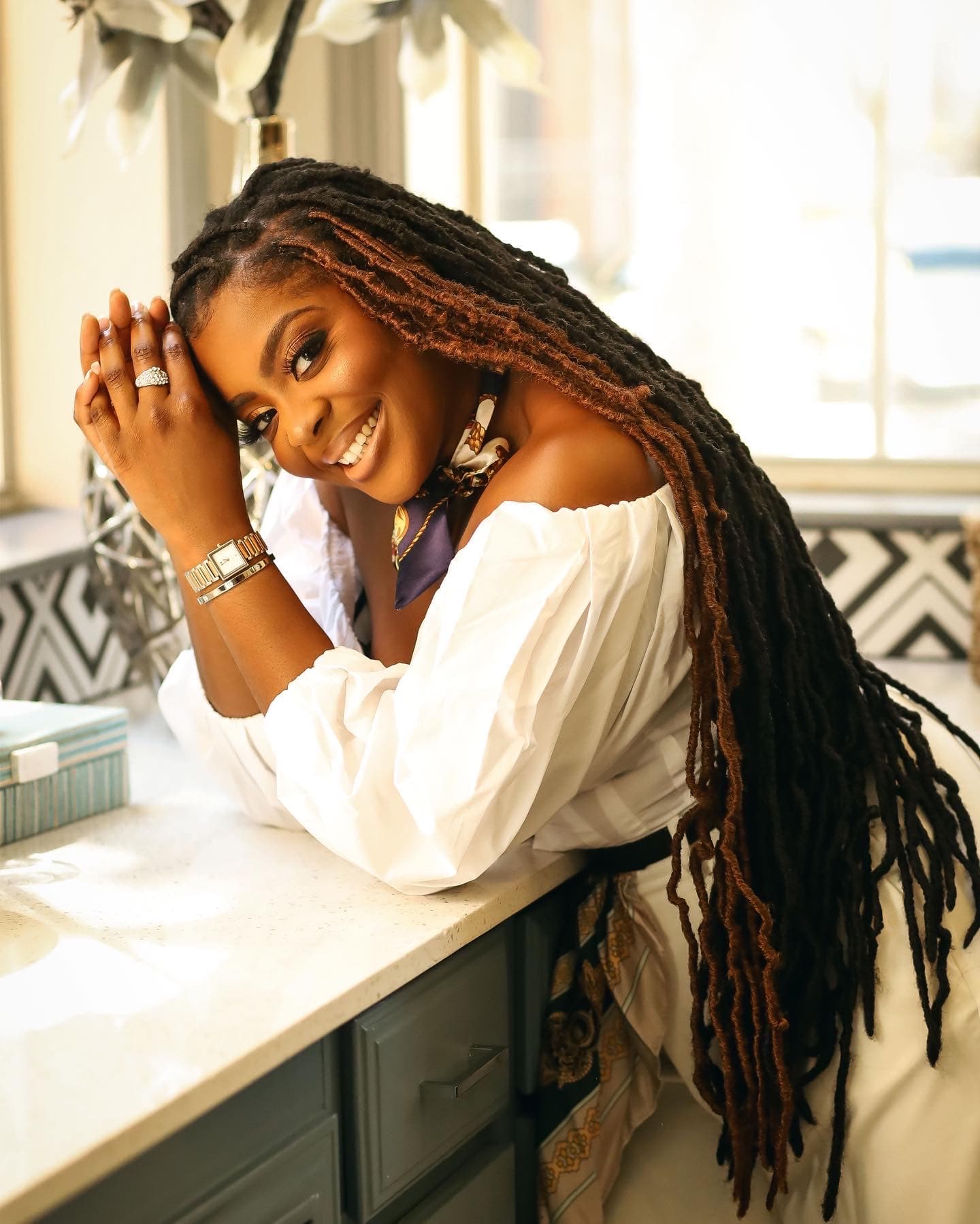
Nancy GLO
Reflective storyteller & style curator for women becoming
Continue Reading
Wardrobe & Transitions
Getting dressed is rarely just about clothes. For many of us, it's where self-neglect quietly lives — and where self-respect can quietly begin again.
ReadWardrobe & Transitions
Building a capsule wardrobe isn't about owning less — it's about choosing more deliberately. Here's how to create a working wardrobe that actually works for you.
Read