Wardrobe & Transitions
When Getting Dressed Becomes an Act of Self-Respect
Getting dressed is rarely just about clothes. For many of us, it's where self-neglect quietly lives — and where self-respect can quietly begin again.
ReadWardrobe & Transitions
There is something quietly disorienting about standing in front of a wardrobe full of clothes and feeling like none of them belong to you anymore.
Maybe you've just left a job, or moved cities, or stepped out of a relationship that quietly defined how you showed up. Maybe you're in that in-between season — not quite who you were, not yet fully who you're becoming — and your clothes are the most visible evidence of that gap. You want to dress well. You want to feel like yourself again. But your budget is limited, and the last thing you need is the pressure of rebuilding an entire wardrobe from scratch.
I've been there. And what I've learned is this: a transitional season doesn't require a new wardrobe. It requires a new relationship with what you already have — and a very deliberate approach to what you add.
Before you think about buying anything, I want you to sit with what's already in your possession.
Not every piece from your previous chapter is wrong for this one. Some things hold. A well-cut blazer doesn't belong to a job title — it belongs to you. A dress you love the fabric of doesn't expire with a relationship. Go through what you own slowly, and separate what genuinely no longer fits who you are becoming from what simply feels stale because of association.
There's a difference between a piece that no longer serves you and a piece you've stopped seeing. The latter just needs to be worn differently — styled with new confidence, paired in a way you haven't tried before. Familiarity breeds invisibility, and sometimes the most affordable thing you can do is look again.
Keep what holds. Release what doesn't — whether that's donating, selling, or simply moving it out of rotation. Clarity is its own kind of abundance.
When you're working with a limited budget, the temptation is to fill perceived gaps as cheaply and quickly as possible. I understand the impulse. But I've watched too many women — myself included — spend money on items that seemed practical in the moment and then never reached for them again.
A transitional season calls for precision, not volume.
Ask yourself, before any purchase: What am I trying to feel when I wear this? Not what occasion it suits, not whether it's versatile enough — what feeling are you chasing? When you can name the feeling, you can identify whether the piece actually delivers it, or whether you're just hoping it will fill a gap that isn't really about clothes.
The most useful budget-conscious investments in a transitional season are almost always foundational: a neutral base layer in a fabric that feels good against your skin, one pair of trousers that fits you precisely as you are right now — not a size you're working towards — and one item that carries intention. Something that, when you put it on, says something true about the woman you are choosing to be, even if the rest of the wardrobe is still catching up.
Charity shops, resale platforms, and end-of-season sales are not lesser options. They are intelligent ones. But even there, precision matters more than volume.
Here is the thing that no one says clearly enough: you do not need to have arrived before you are allowed to dress with dignity.
I have spoken to women who tell me they'll invest in their style "once things are more settled" — once they've lost the weight, once they're earning more, once they know who they are again. And I understand why they feel that way. But that logic keeps you dressing like a placeholder. It asks you to treat yourself as a rough draft.
You are not a rough draft. You are a woman in motion. And dressing with care — even on a budget, even in uncertainty — is one of the most grounding things you can do for yourself in a season that offers very little ground.
This doesn't mean performative dressing. It doesn't mean wearing things that don't reflect where you actually are. It means choosing with intention over impulse. It means getting dressed as an act of self-acknowledgement, not an act of disguise.
A transitional season is not a waiting room. It is part of the journey — and it deserves to be dressed accordingly.
If you're ready to step into a more intentional relationship with how you dress — especially as your life continues to shift and evolve — explore Nancy's styling services.
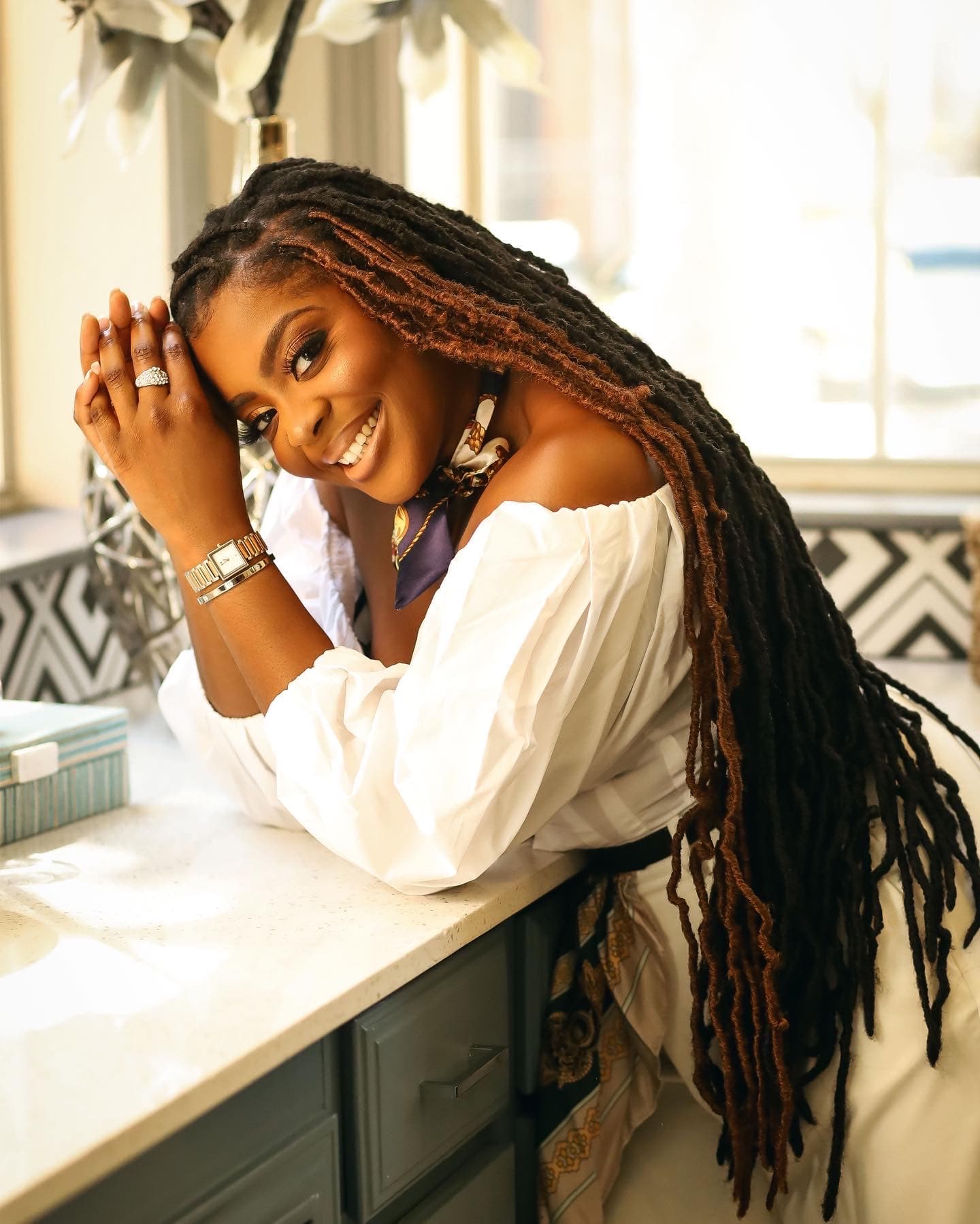
Nancy GLO
Reflective storyteller & style curator for women becoming
Continue Reading
Wardrobe & Transitions
Getting dressed is rarely just about clothes. For many of us, it's where self-neglect quietly lives — and where self-respect can quietly begin again.
ReadWardrobe & Transitions
Building a capsule wardrobe isn't about owning less — it's about choosing more deliberately. Here's how to create a working wardrobe that actually works for you.
Read