Wardrobe & Transitions
When Getting Dressed Becomes an Act of Self-Respect
Getting dressed is rarely just about clothes. For many of us, it's where self-neglect quietly lives — and where self-respect can quietly begin again.
ReadWardrobe & Transitions
There is a particular kind of exhaustion that comes with standing in front of a wardrobe full of clothes and feeling like none of them belong to you anymore.
Not because your style has failed you. But because you have changed — and the clothes are still wearing the old version of you.
Transitional seasons do that. A job loss. A breakup. A move. A graduation. A decade turning over. These moments don't just rearrange your life — they rearrange your sense of self. And somewhere in that rearrangement, getting dressed stops feeling like a small pleasure and starts feeling like a question you don't yet have the answer to.
What makes it harder is when money is also in flux. When the budget is tight and the future is uncertain, a wardrobe refresh can feel irresponsible — even frivolous. So you do nothing. You wear things that don't quite fit the life you're moving towards, and you carry that low-level dissonance with you every single day.
I want to offer you something more useful than "shop your wardrobe" — because you've heard that, and it hasn't quite landed. What I want to talk about is how to dress with intention when your resources are limited and your identity is still finding its footing.
Before you buy anything — before you even touch your wardrobe — ask yourself what your clothes need to carry right now.
Are you rebuilding your professional life and need to feel credible and composed? Are you in a period of rest and recovery, and dressing for softness and comfort has to count as style too? Are you stepping into a new social world where you want to be seen differently?
Transitions have specific requirements. When you name yours, you stop shopping (or rummaging) blindly and start making decisions with clarity. Even if your budget is zero, knowing what you need from your clothes changes how you wear what you already have.
This is not a mindset trick. It is practical. A blazer worn with intention reads differently than a blazer worn out of habit. The blazer hasn't changed. You have.
Budget dressing does not mean cheap dressing. These are not the same thing, and conflating them is what leads to wardrobes full of things that feel disposable — because they were bought disposably.
When money is limited, the case for restraint becomes stronger, not weaker. One considered purchase outperforms five impulse ones every time. A well-cut pair of trousers in a neutral that works across your existing pieces — even from a high street rail or a charity shop — will carry you further than a week's worth of trend pieces that don't connect to anything you own.
Look for structure, fit, and colour coherence. Not newness. When you're in transition, the wardrobe is not where you express novelty — it is where you build stability. You want to reach for things that make you feel like yourself, or at least like the version of yourself you're becoming.
Second-hand shopping, clothing swaps, and rental for specific occasions are not compromises. They are intelligent choices. There is nothing elegant about overspending during an already stretched season.
This is perhaps the most honest thing I can say to you: stop dressing for the version of your life you wish you were already living.
It is tempting, during transitions, to purchase your way into a new identity — to buy the wardrobe of the woman you want to be as a way of fast-forwarding the discomfort. I understand the impulse. I have lived it. But a wardrobe built on aspiration alone, without the groundwork, tends to feel like a costume. And a costume — however beautiful — does not hold you. It only covers you.
What holds you is dressing honestly for where you are, with whatever you have, while allowing that to evolve slowly and with intention. It is finding the one outfit in your current wardrobe that makes you feel like yourself and wearing it often. It is mending the hem on the dress that still fits your body but needed attention. It is choosing quality of feeling over quantity of options.
Transitional seasons are not the time to build a new wardrobe. They are the time to build a clearer relationship with the one you have.
And that, in the long run, will cost you far less — in money, in decision fatigue, and in the quiet toll of dressing like someone you've already grown out of.
If you're ready to step into a more intentional relationship with how you dress — not just with your budget but with your sense of self — explore Nancy's styling services.
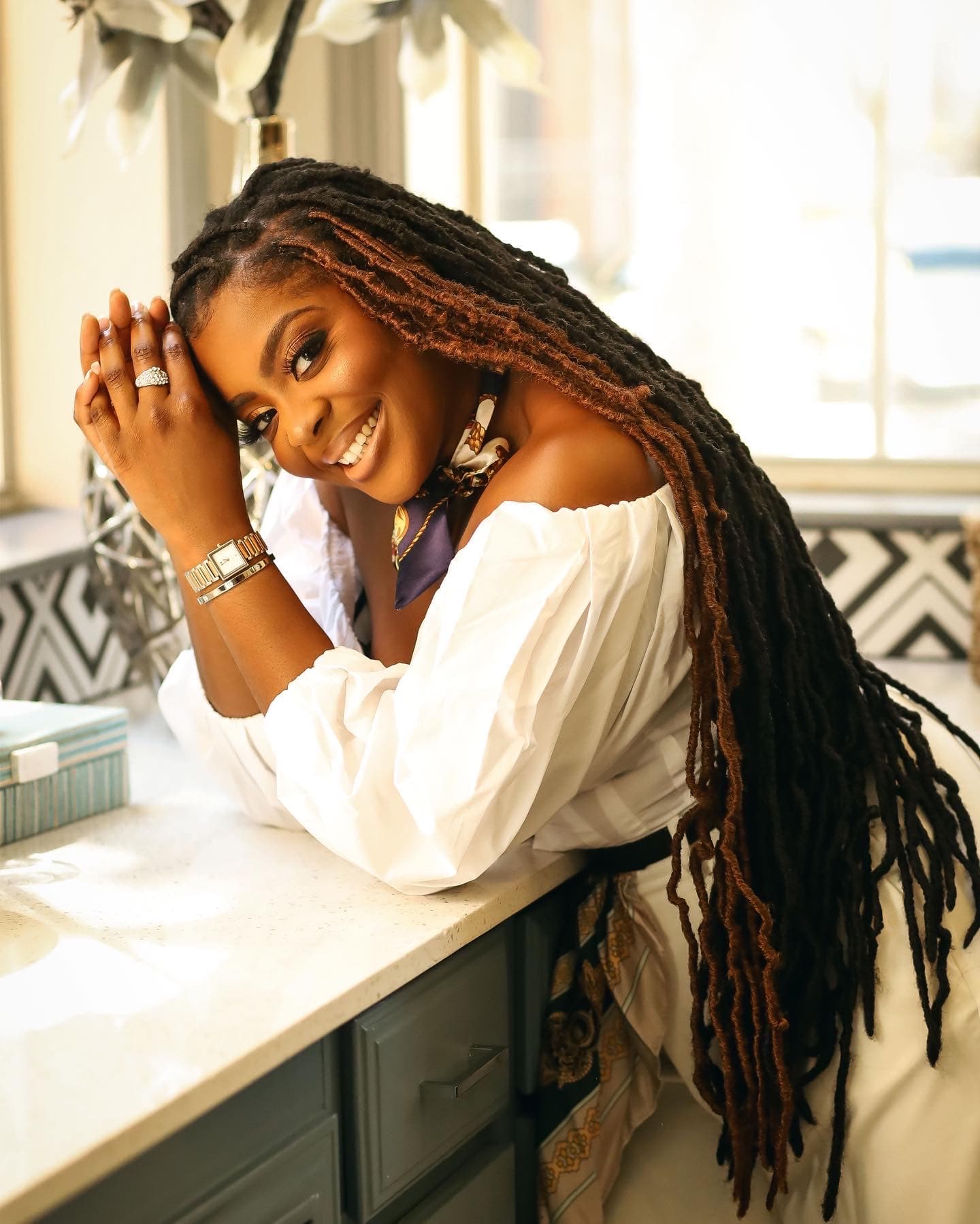
Nancy GLO
Reflective storyteller & style curator for women becoming
Continue Reading
Wardrobe & Transitions
Getting dressed is rarely just about clothes. For many of us, it's where self-neglect quietly lives — and where self-respect can quietly begin again.
ReadWardrobe & Transitions
Building a capsule wardrobe isn't about owning less — it's about choosing more deliberately. Here's how to create a working wardrobe that actually works for you.
Read