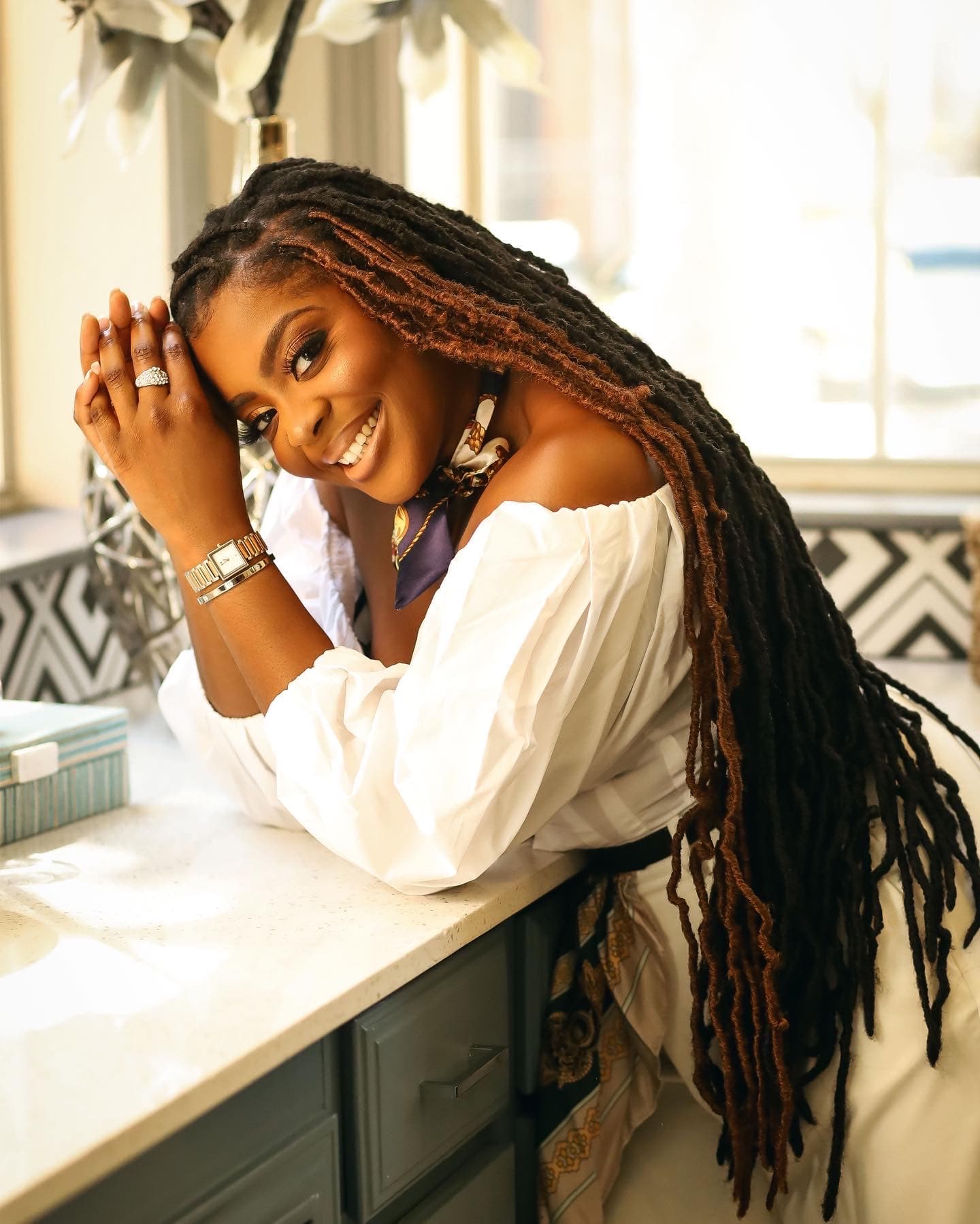
There is a particular kind of exhaustion that comes from having plenty to wear and nothing that feels like you.
You stand there, surrounded by colour and fabric, and something is missing — not a dress, not a blouse, but a sense of direction. That feeling is not vanity. It is a signal worth paying attention to.
Dressing intentionally is not the same as dressing fashionably. Fashion tells you what is relevant right now. Intention asks something quieter and more demanding: Who are you, and how do you want to show up?
Those are not the same question.
The Difference Between Style and Noise
I spent years buying things I admired on other women. Things that photographed well, things that felt safe, things that would earn a compliment or at least not raise an eyebrow. I called it having style. Looking back, I was curating a performance — not an identity.
Style, when it is truly yours, does not require explanation. It is not a costume you put on to be taken seriously or accepted. It is a language you have developed over time, refined through self-knowledge, adjusted as you grow.
Noise, on the other hand, is everything you have accumulated in response to external pressure. The trend you bought because everyone else did. The piece that was on sale and made sense in theory. The look you wore because you were not yet sure who you were, and it seemed like a reasonable placeholder.
Most wardrobes are a mixture of both. The work of intentional dressing is learning to tell the difference.
What Intention Actually Looks Like in Practice
Intentional dressing begins before you open your wardrobe.
It starts with a question — not "what do I feel like wearing?" but "what do I want to communicate today, and is that consistent with how I want to move through the world this season of my life?"
That sounds heavier than it is. In practice, it is a two-second pause. A small act of self-consultation before you reach for habit.
It also means being honest about what you are holding onto and why. Some pieces in your wardrobe belong to a version of you that no longer exists — the woman you were in a different job, a different relationship, a different state of mind. Keeping them is not sentimental; it is sometimes a way of leaving a door open to a past self who has already moved on without you.
Intentional dressing asks you to close some of those doors — not dramatically, but with quiet clarity.
It means knowing your anchors: the silhouettes, colours, and textures that consistently make you feel like yourself rather than like a version of yourself assembled for someone else's benefit. These anchors do not have to be expensive. They have to be honest.
When Your Clothes Stop Serving You
There is a specific moment — I have seen it in the women I work with, and I have lived it myself — when you realise your wardrobe is dressed for a life you are no longer living.
It might be after a significant transition: a career shift, a move, the quiet reorganisation that follows grief or growth. You open the wardrobe and nothing fits — not your body necessarily, but your now. Your clothes are telling the story of who you were. You are trying to figure out who you are becoming.
This is not a crisis. It is information.
The most intentional thing you can do in that moment is not to go shopping. It is to sit with the discomfort long enough to understand what it is asking of you. What do you actually need? What kind of woman is stepping into this next chapter, and how does she dress? Not the fantasy version — the real one, with her real life, her real commitments, her real body.
Intentional dressing is, at its core, an act of self-respect. Not because looking good is the measure of your worth, but because taking the time to consider how you present yourself is a form of showing up — for yourself first, before anyone else.
It is choosing alignment over approval. Presence over performance.
When your wardrobe reflects who you actually are — not who you were, not who you think you should be — getting dressed stops feeling like a negotiation. It becomes, simply, an extension of knowing yourself.
If you're ready to step into a more intentional relationship with how you dress, explore Nancy's styling services.