Wardrobe & Transitions
When Getting Dressed Becomes an Act of Self-Respect
Getting dressed is rarely just about clothes. For many of us, it's where self-neglect quietly lives — and where self-respect can quietly begin again.
ReadWardrobe & Transitions
There comes a point where you open your wardrobe and feel — nothing. Not satisfaction, not excitement. Just a quiet, low-level grief that you can't quite name.
Everything is technically fine. The clothes are clean. Some of them still have tags. And yet nothing feels like you anymore. The question worth sitting with is this: which version of you are you dressing for?
Most of us build our wardrobes reactively — responding to a job, a relationship, a city, a phase. We accumulate clothes that documented who we were, not who we are becoming. And then life shifts, as it always does, and we stand in front of a full rail wondering why we feel invisible inside our own clothes.
That feeling is not vanity. It is information.
I once held on to a blazer for three years past its usefulness. It was sharp, well-made, and had carried me through a season of my life where I needed to be taken seriously in rooms that were not designed for women who looked like me. That blazer was armour. And I kept it long after I no longer needed to fight that particular battle.
We do this more than we admit. We keep clothes that belonged to a self we've quietly moved beyond — the corporate version of us, the smaller version, the version that dressed for approval rather than alignment. The wardrobe becomes a kind of archive, and archives are useful for remembering, but they are not somewhere you should be living.
Dressing for who you used to be is not nostalgia. It is, in a subtle way, a refusal to honour the woman you are actively becoming. And she deserves better than that.
Becoming is rarely dramatic. It usually arrives quietly: a different kind of confidence, a shift in what you find yourself drawn to, a new understanding of what comfort actually means to you. And your wardrobe, if you let it, can be one of the first places you practise that new self.
This does not mean discarding everything and starting over. It means learning to ask a different question when you get dressed. Not does this still fit — but does this still fit who I am deciding to be?
Those are very different questions.
The first is about the body. The second is about identity. And when you begin dressing from the second question, something shifts. You stop reaching for things out of habit and start reaching for things out of intention. You notice which pieces make you feel expanded, present, and grounded — and which ones quietly diminish you, even if they are objectively beautiful.
Colour, silhouette, texture — these are not trivial choices. They are the language you use to communicate with yourself before you have said a single word to the world.
A wardrobe transition does not begin with shopping. It begins with honesty.
It begins with standing in front of what you own and asking, who bought this, and is she still the woman I am? Some pieces will survive that question easily. Others will not. And the ones that do not survive — that is not failure or waste. That is evidence of growth.
When I work with women on their wardrobes, this is often the moment that surprises them most. Not the new purchases, but the clarity that comes from releasing what no longer belongs. There is something almost ceremonial about it. You are not just editing your clothes. You are making a declaration: I have changed, and I am willing to look like it.
From that cleared space, you can begin to build something intentional. Pieces that reflect not where you have been, but where you are going. A wardrobe that feels less like a costume box and more like a quiet, steady expression of who you are on your best days — and who you are committed to becoming on the harder ones.
Style, at its truest, is not about following trends or getting dressed correctly. It is about learning to see yourself clearly and then choosing, every day, to show up as that woman — even when the world hasn't caught up yet.
If you're ready to step into a more intentional relationship with how you dress, explore Nancy's styling services — because the edit that changes your wardrobe might just be the one that changes everything else too.
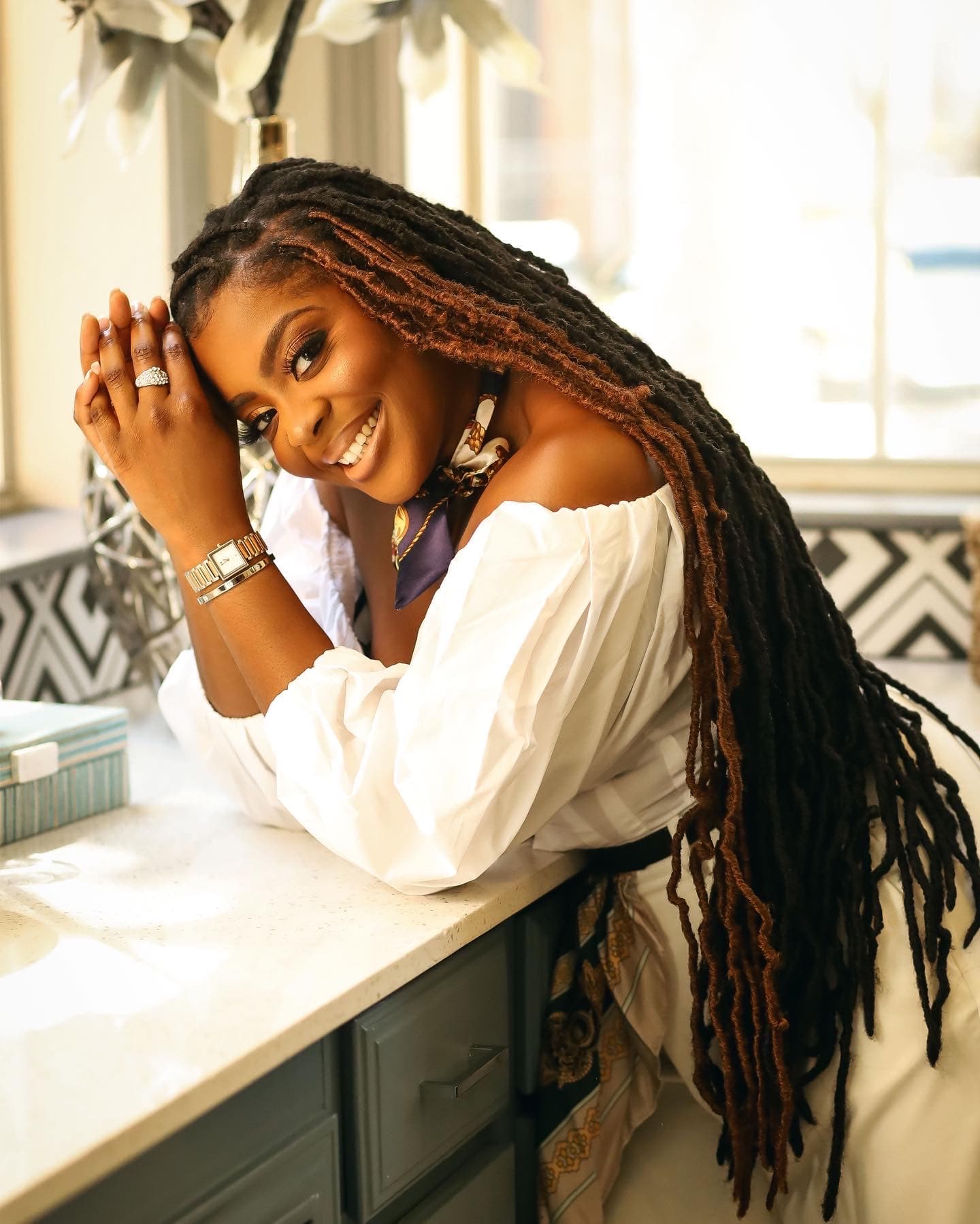
Nancy GLO
Reflective storyteller & style curator for women becoming
Continue Reading
Wardrobe & Transitions
Getting dressed is rarely just about clothes. For many of us, it's where self-neglect quietly lives — and where self-respect can quietly begin again.
ReadWardrobe & Transitions
Building a capsule wardrobe isn't about owning less — it's about choosing more deliberately. Here's how to create a working wardrobe that actually works for you.
Read