Wardrobe & Transitions
When Getting Dressed Becomes an Act of Self-Respect
Getting dressed is rarely just about clothes. For many of us, it's where self-neglect quietly lives — and where self-respect can quietly begin again.
ReadWardrobe & Transitions
There comes a point — usually a Sunday evening, standing in front of a wardrobe full of clothes — when you realise you have nothing to wear. Not because nothing is there, but because nothing feels like you anymore. The clothes belong to a version of you that no longer quite fits. That moment is not a frustration. It is information.
For professional millennial women, the wardrobe often becomes a record of who we were trying to be at various stages — the corporate graduate, the woman trying to be taken seriously, the one who over-bought in lockdown because buying felt like doing something. A capsule wardrobe is not about owning fewer things for the sake of minimalism. It is about creating a collection where everything earns its place. Where getting dressed stops being a decision and starts being a declaration.
The first mistake most women make when building a capsule wardrobe is designing it for an imagined life — the life where you attend more formal dinners, travel lighter, or finally have the office that matches your ambition. Build for now. Build for Tuesday.
Think about the specific demands of your week. If you are hybrid working, you need pieces that translate across context — from a video call to a client lunch to a Friday evening that bleeds into something social. If you are in-person five days, your wardrobe needs to carry weight without repeating itself visibly. The goal is versatility with visual intelligence — pieces that read differently depending on how they are worn, not pieces that shout the same thing every time.
A well-fitted blazer in a neutral — camel, slate, or a deep charcoal — is not a cliché. It is an anchor. It will hold together an outfit on the days when you have made every other choice wrong. A blazer that fits the width of your shoulders correctly changes everything. Not the one you almost-fit into, not the oversized one you bought for comfort — the one that was made, or altered, to sit exactly on you.
A capsule wardrobe earns its value in the background. These are not statement pieces. They are the steady foundation that lets you build something interesting without starting from nothing each morning.
Tailored trousers in at least two weights — something structured for cooler months, something with a lighter drape for the warmer ones. A straight or wide leg, not too trend-dependent, that you will still wear in three years. Pair these with a white shirt — not crisp to the point of performance, but clean enough to carry authority. The kind of shirt that can be tucked, half-tucked, or worn open over something underneath.
A midi skirt in a solid fabric — not printed, not embellished — gives you a piece that works across formal and creative environments. Pair it with a fine-knit and it reads understated. Pair it with a structured top and heels and you are entirely dressed. The skirt does the work quietly.
Knitwear, I would argue, is the most undervalued category in a professional wardrobe. A fine-gauge roll-neck or crew-neck in ivory, chocolate, or black layers underneath blazers, sits well in meetings, and travels without drama. It is one of those pieces that quietly elevates everything around it.
Shoes matter more than we are told to admit. A block-heel or kitten-heel in a neutral — nude, black, or tan depending on your skin tone — is not about trend. It is about longevity. The right heel allows you to be present in a room rather than managing the logistics of your feet.
A capsule wardrobe is not a finished thing. It is a practice — one that requires you to be honest about what you actually reach for and what you keep for guilt or nostalgia or the fictional future self who will finally wear it.
Audit once a season with a specific question: does this piece work with at least three other things I own? If the answer is no, it is not earning its place. This is not about ruthlessness. It is about clarity. The wardrobe should reflect who you are in the process of becoming, not archive who you used to be trying to appear.
Colour cohesion matters more than colour matching. You do not need a monochrome wardrobe. You need a wardrobe where the colours hold a conversation with each other — where any two pieces from the collection could plausibly leave the house together. Build your neutrals first, then introduce one or two deeper or warmer tones that run as a thread through everything else.
The professional millennial woman is not dressing for one context anymore — she is navigating multiple roles in a single day. Her wardrobe should be able to hold all of them with ease and without apology.
If you're ready to step into a more intentional relationship with how you dress, explore Nancy's styling services.
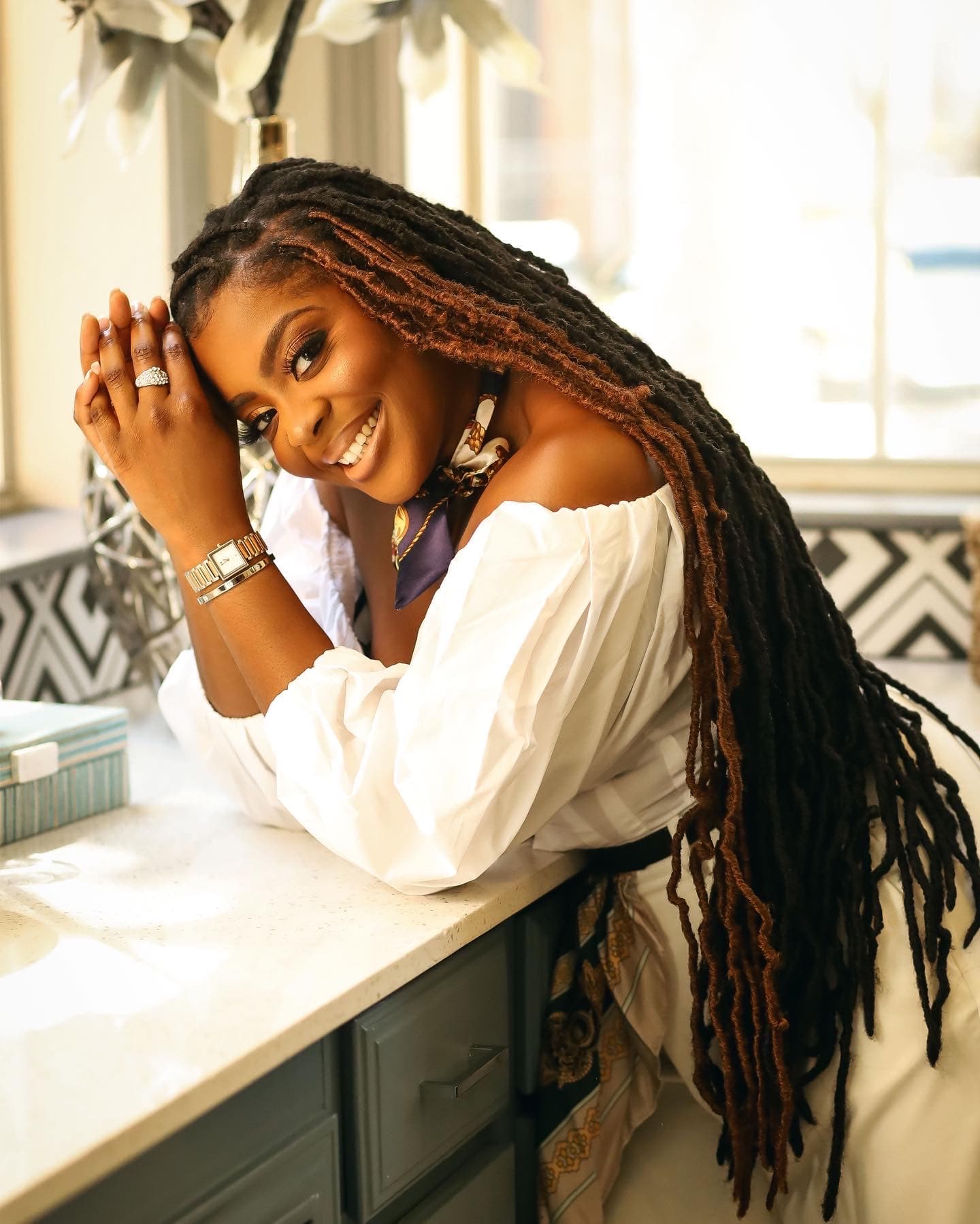
Nancy GLO
Reflective storyteller & style curator for women becoming
Continue Reading
Wardrobe & Transitions
Getting dressed is rarely just about clothes. For many of us, it's where self-neglect quietly lives — and where self-respect can quietly begin again.
ReadWardrobe & Transitions
Building a capsule wardrobe isn't about owning less — it's about choosing more deliberately. Here's how to create a working wardrobe that actually works for you.
Read